



📌 The Main Takeaway
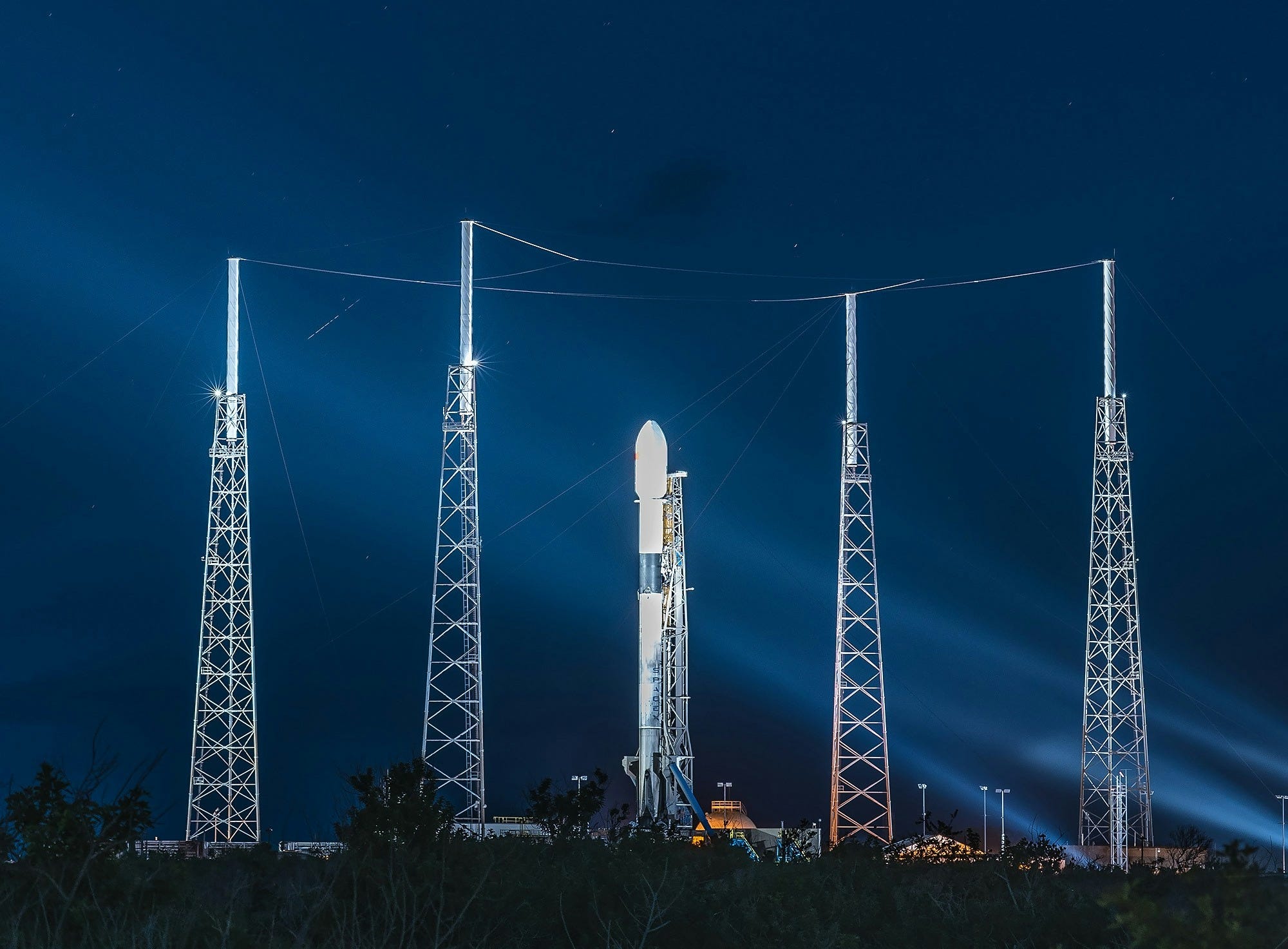
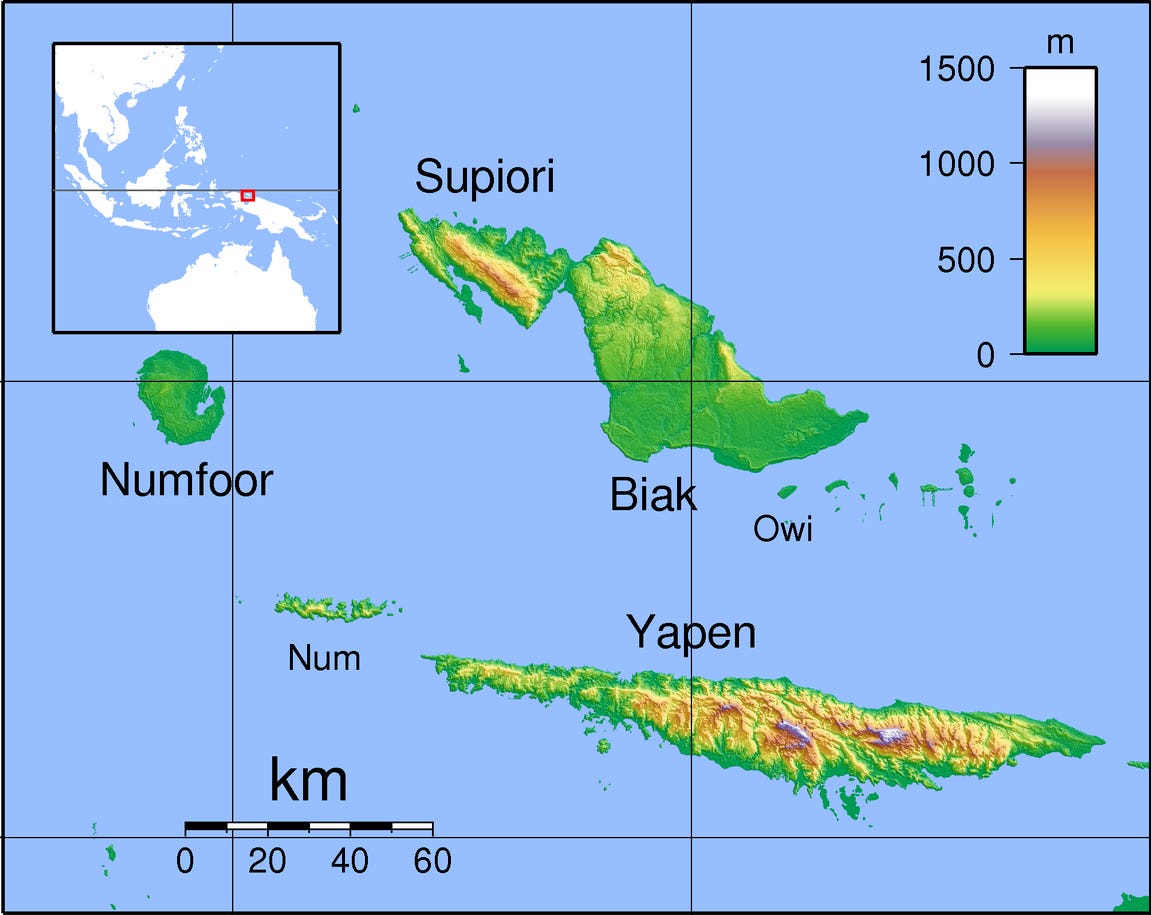
Indonesia is accelerating plans to establish a national spaceport on Biak Island, Papua, with BRIN Head Arif Satria proposing it as a National Strategic Project (PSN) to achieve technological sovereignty before 2040.
This move coincides with intensified feasibility studies for competing spaceports in Malaysia and Thailand, signaling a regional shift toward independent launch capabilities.
📡 Why It’s on Our Radar?
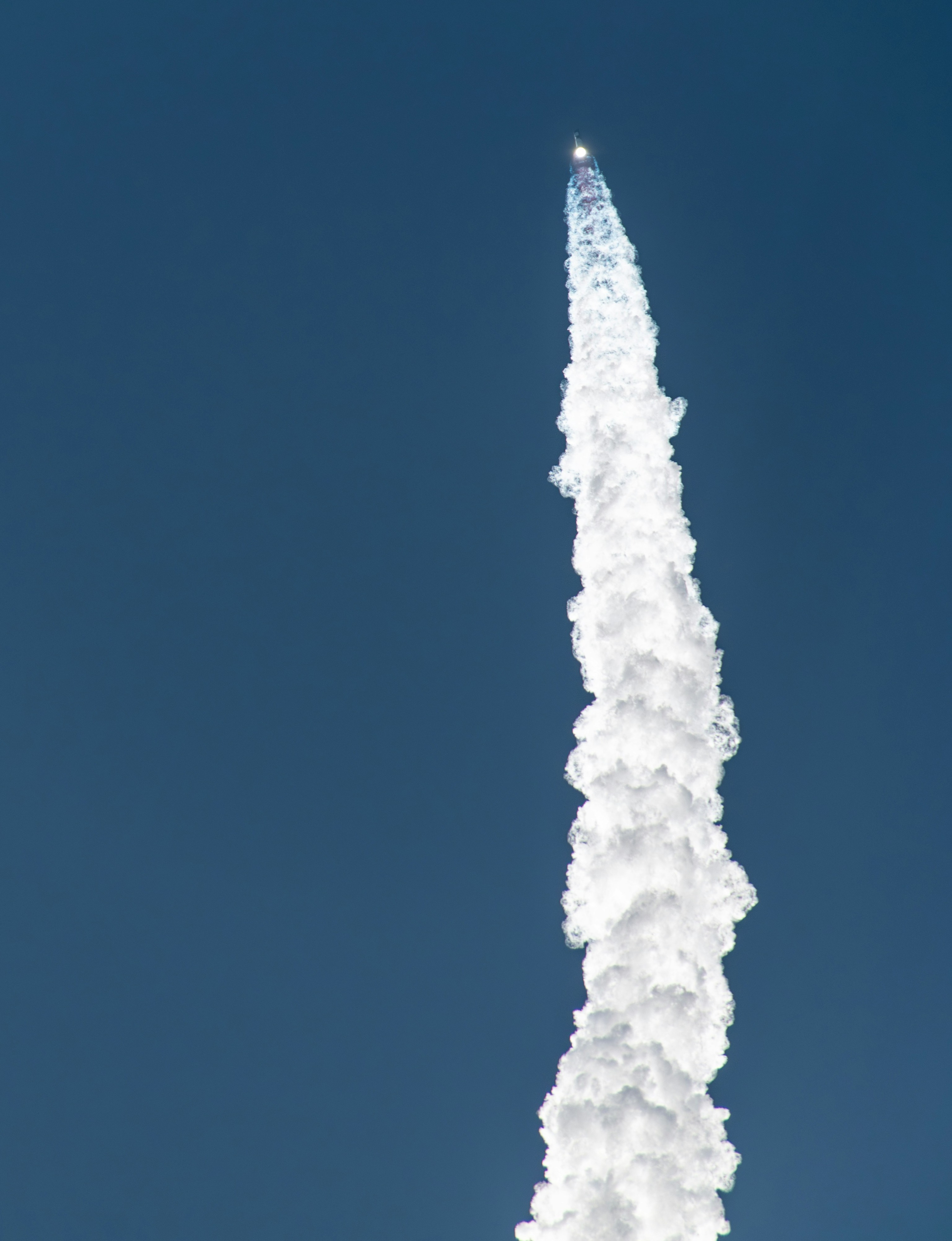
The “slingshot effect” of the equator makes Southeast Asia a gold mine for the global launch industry. 🌍 A rocket launched from the equator requires significantly less fuel to reach Low Earth Orbit (LEO), potentially saving millions per launch.
Indonesia, with its unique geography and long-standing plans dating back to the 1990s, is finally moving from academic manuscripts to regulatory harmonization.
⚖️ What’s at Stake
Economic Windfall: Estimates suggest a spaceport could generate $200 million annually in revenue, contributing to projected ASEAN space-related GDP growth of $100 billion by 2030.
Sovereignty: Indonesia aims to end its reliance on foreign providers such as SpaceX (which launched SATRIA-1) by developing domestic launch vehicles and facilities.
Local Conflict: Dialogue remains with indigenous communities in Warbon, North Biak, who view the project as a threat to ancestral lands and biodiversity.
🌏The Equator’s New Frontier: The ASEAN Spaceport Race
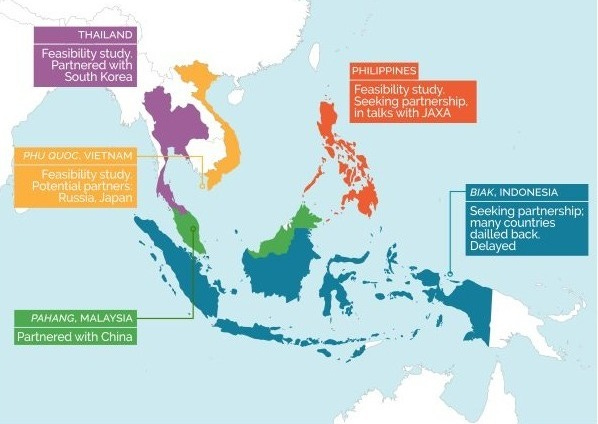
Indonesia is not alone in this race. The map of Southeast Asian launch ambitions is becoming crowded:
🇮🇩Indonesia (Biak): Advanced planning stage with a 2026 ground-clearing goal. It offers a direct path to the Pacific Ocean and sits just 1 degree north of the equator
🇹🇭Thailand: GISTDA is conducting a feasibility study with KPMG. The nation aims to leverage its established aviation and automotive supply chains to build a “Space Ecosystem.”
🇵🇭Philippines: PhilSA has proposed a nearly $400 million budget for spaceport construction to capture the regional launch services market.
🇲🇾Malaysia (Pahang): Currently in a one-year feasibility study with China’s CGWIC. It leverages a strong manufacturing base at 3-4 degrees north latitude.
They have engaged with various agencies at the state and federal levels. In fact, they are scheduled to present the project to the National Physical Planning Council today. The state government fully supports this initiative
“If approved, Pahang will become the first location in Southeast Asia to host a rocket launching port.”
(Datuk Mohamad Nizar Najib - Malaysia’s State Investment, Industries, Science, Technology, and Innovation Committee chairman)

🏠 Why This Hits Home
For the local population in Biak, the project is a double-edged sword. While BRIN and Bappenas highlight job creation and “Indonesia Emas 2045” goals, community leaders like Mambri Apolos Sroyer warn that “Biak is not empty land.”
The success of the project hinges on whether the government can integrate Ulayat (customary) rights into the environmental impact assessments (AMDAL).
🛠️ Beyond the Headlines: Implementation Challenges
Regulatory Framework: BRIN has completed harmonization of the Draft Government Regulation on Spaceport Operation, but needs cross-ministerial coordination.
Infrastructure Demands: The remote Biak location requires development of access roads, power grids, telecommunications, and security systems.
Environmental Compliance: Requires a rigorous Environmental Impact Analysis (AMDAL) to address concerns raised by groups such as WALHI Indonesia.
Funding & Investment: BRIN seeks a National Strategic Project designation to secure structured financing, with estimates reaching hundreds of millions of dollars.
“We must not be half-hearted. If it can be done before 2040, why not sooner? The key is focus and productivity.”
(Arif Satria - Head of BRIN)

💡 The Bottom Line
Indonesia possesses the geographic advantages and institutional framework to lead ASEAN’s space infrastructure development, but it must navigate local opposition, funding challenges, and regional competition.
The success of the Biak project will depend on balancing national technological ambitions with inclusive community engagement and environmental stewardship.
As the global space economy expands, Southeast Asia’s “spaceport race” represents both economic opportunity and a test of regional cooperation versus competition.
Need More Angles?
Antara BRIN pushes Biak spaceport plan into strategic priority list
BRIN Chairman of BRIN: Indonesia Must Have Its Own Spaceport
Detik.com Mengenal Bandar Antariksa Biak, Lokasi Peluncuran Satelit Dekat Khatulistiwa
Italian Institute For International Political Studies From Satellites to Spaceports: Building Southeast Asia’s Space Future
Kumparan Rencana Spaceport di Biak: Antara Kepentingan Nasional dan Hak Lokal
MIT Technology Review Southeast Asia seeks its place in space
New Straits Times Pahang agrees to one-year feasibility study for Southeast Asia’s first spaceport
RRI.co.id BRIN Sets Bold Target for National Spaceport and Satellite Launches
Spacenews China and Malaysia to study international equatorial spaceport project
The Nation Thailand Spaceport study underway to ignite Space Economy: GISTDA
(ELS/QOB)