



🎯 The Main Takeaway
“If you want to go fast, go alone. If you want to go far, go together” - Miguel Soriano, PhD (Country Anchor – Indonesia & Timor-Leste, FIG Advisory, IFC – World Bank Group
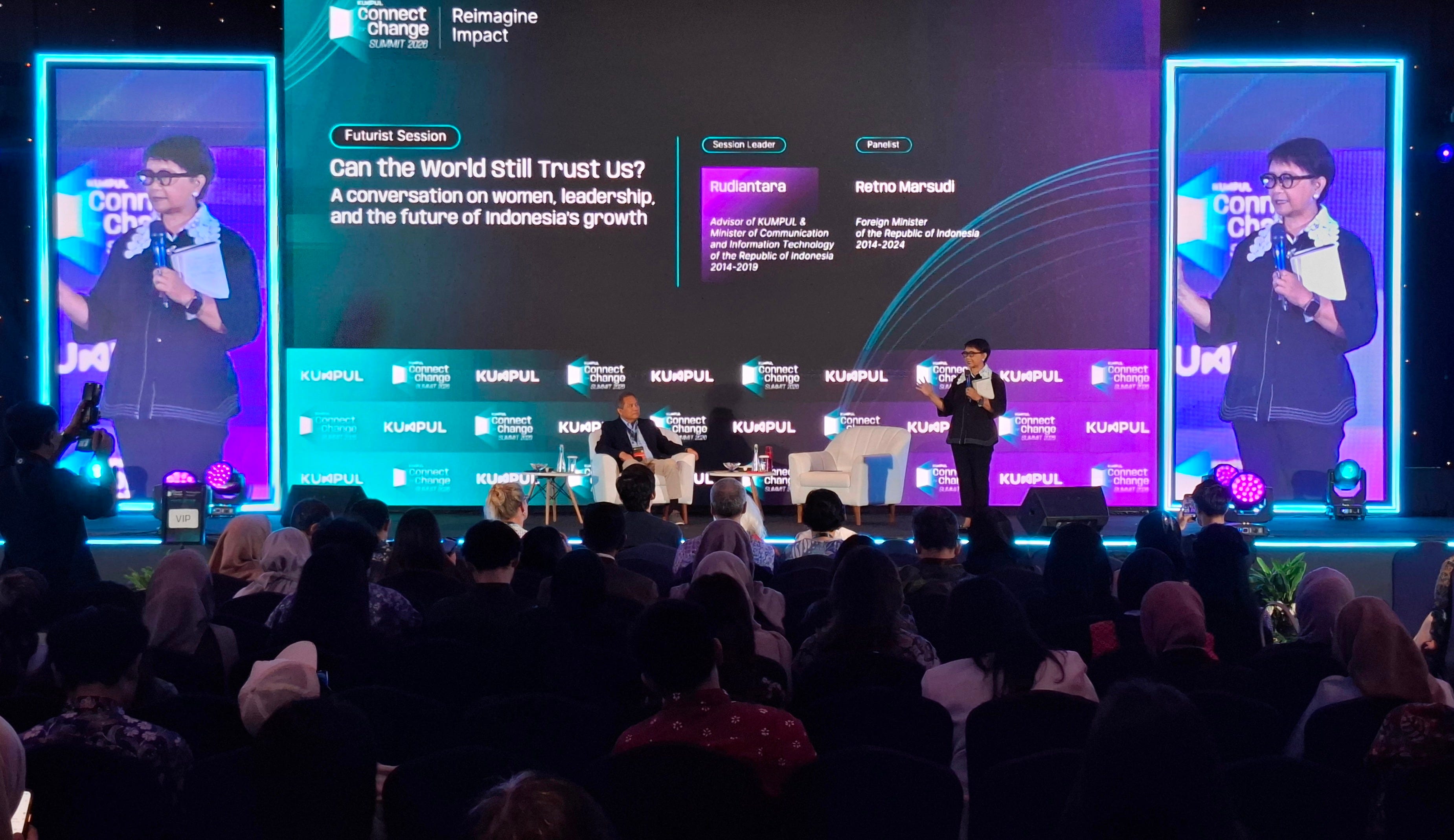
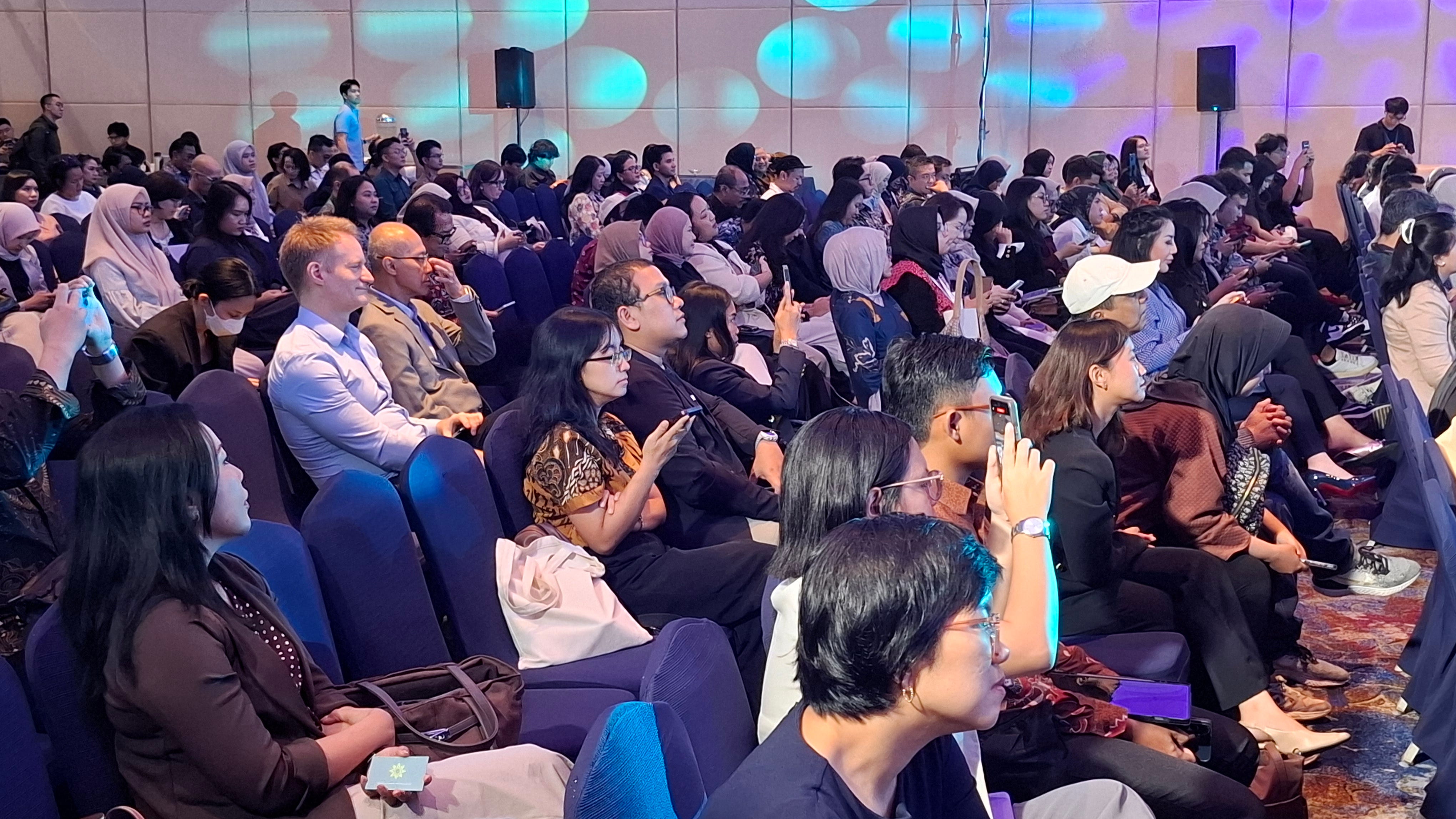
The 2026 KUMPUL Connect for Change (C4C) took place on October 20th and 21st in Jakarta, bringing together over 1,000 ecosystem enablers, investors, corporate leaders, and policymakers from 16 countries to explore how collaboration can drive sustainable transformation under a single operational mandate: “Reimagine Impact.”
By bridging the public and private sectors, startups, and entrepreneurial communities, the initiative moves past isolated, short-term training workshops toward an integrated approach that connects technology, capital, and supply chains to scale Southeast Asia’s middle-tier enterprises.
🔎 Why It’s on Our Radar
Initiatives and public discussions often focus on early-stage startups and micro-enterprises, while Small and Growing Businesses (SGBs) are frequently left to navigate structural growth barriers on their own.
The Funding Void: Less than 10% of formal funding goes to small and growing businesses. This is largely because they are considered too large for microfinance, yet too small for traditional venture capital.
The Financial Gap: The financing gap between large corporations and micro-businesses across Southeast Asia exceeds a staggering $300 billion USD annually.
Indonesia’s Challenge: This gap persists due to fragmented infrastructure, limited data, and disconnected markets, resulting in an estimated $50.8 billion USD annual funding gap in Indonesia alone.
“Business growth also requires access to supply chains, markets, financing, technology, and networks. Through this event, we aim to create more opportunities for different stakeholders to connect and foster collaboration that addresses needs on the ground.” - Faye Wongso, Founder dan Chairperson KUMPUL & KUMPUL Impact
⚖️ What’s at Stake
SGBs form the economic backbone of Indonesia and the broader Southeast Asian (SEA) region.
They generate most local employment and regional GDP, sustain rural and urban supply chains, and serve as the primary engine for absorbing an expanding labour force.
Without scalable capital models, streamlined trade regulations, and accessible systems to help these businesses grow, Southeast Asia risks losing its long-term economic momentum.
"The ASEAN market is very successful with more than 600 million population and almost half of it is in Indonesia. The market is very sexy but very fragmented. Indonesia have more than 17.000 island, so here to expand into this region, collaboration, it is a magnetˮ - Bayu Seto, Partner, Living Lab Ventures.
The region faces a critical demographic and economic turning point over the next 10 to 15 years:
1.2 billion working-age adults are expected in the region.
Under current economic trajectories, only 420 million jobs are projected to be available within that timeframe.
This leaves a massive 800 million-job deficit.
🧩 The Missing Middle Gap
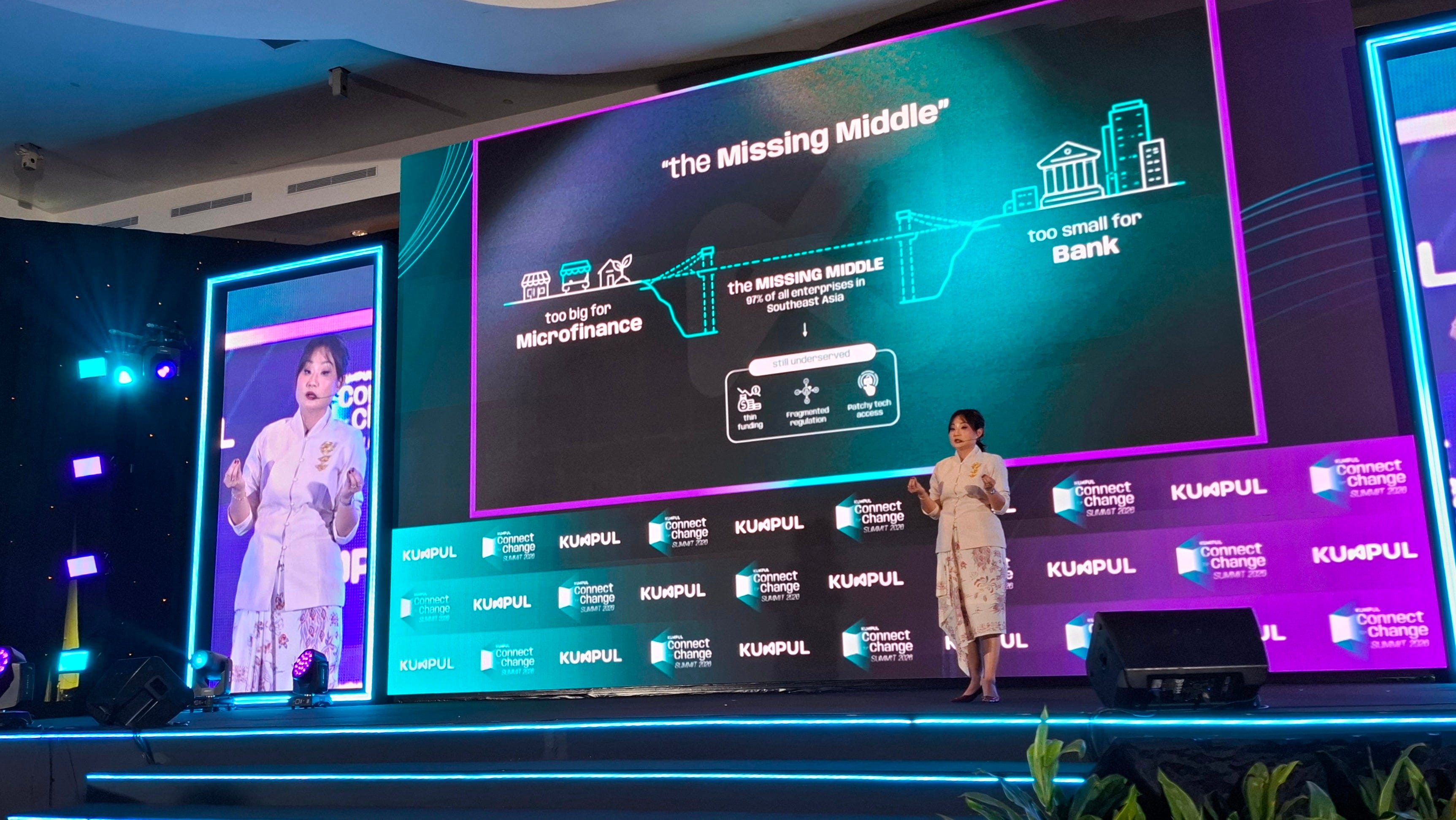
Across Southeast Asia, 71 million SGBs represent 97% of all business entities. However, they are frequently trapped in a structural gap. This dynamic contributes to a total annual MSME financing gap in Southeast Asia exceeding $300 billion USD, with nearly 80% concentrated in Indonesia alone.
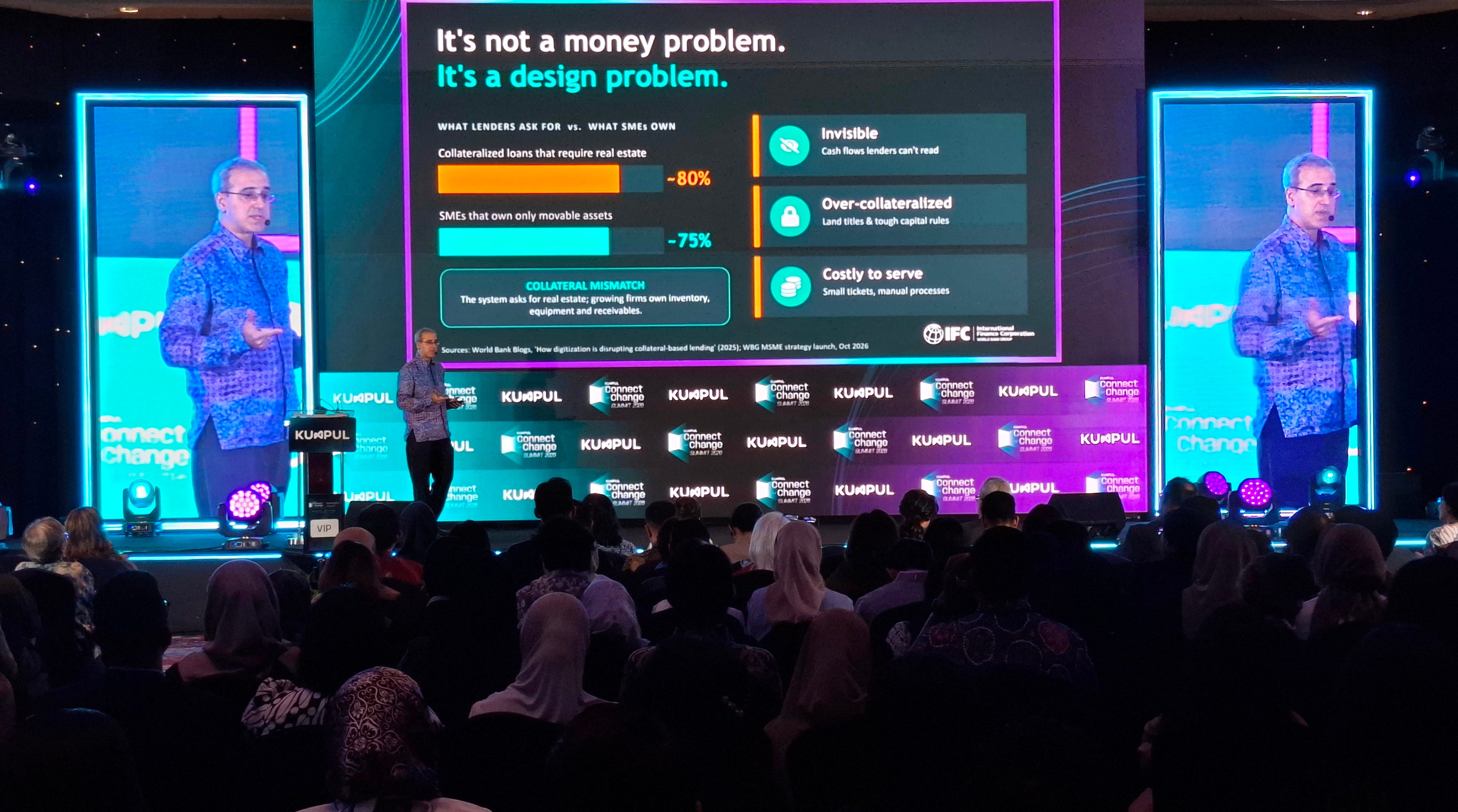
Commercial banks rely on traditional risk models that require up to 80% physical collateral (such as real estate, land titles, or physical facilities). Meanwhile, 76% of growing SGBs do not own fixed property assets. Instead, their real economic value lies in purchase orders, unpaid invoices, inventory, digital payment histories, and intellectual property.
Survey data highlights a sharp disconnect between internal founder capabilities and external market entry. While over 60% of surveyed entrepreneurs report confidence in managing internal operations (such as bookkeeping and administration), their lowest performance score is in supply chain integration and market access, averaging a low 36.6%.
🛠️Redesigning Finance: Data as the New Standard
“Good green, and inclusive projects do not fail because they are bad. They fail because no one has designed who fails the uncertainty and who pays for it. De-risking by design means answering those two questions togetherˮ - Poppy Ismalina, M.Ec.Dev., Ph.D. Associate Professor in Economics, Faculty of Economics and Business, UGM.
Data is more than numbers on a screen; missing data creates market uncertainty, prompting traditional lenders to charge steep risk premiums or reject SGB loan applications outright.
Addressing this requires shifting from rigid, property-based underwriting toward data-backed collateral and blended finance, combining development/donor funds with private capital to lower lender risk.
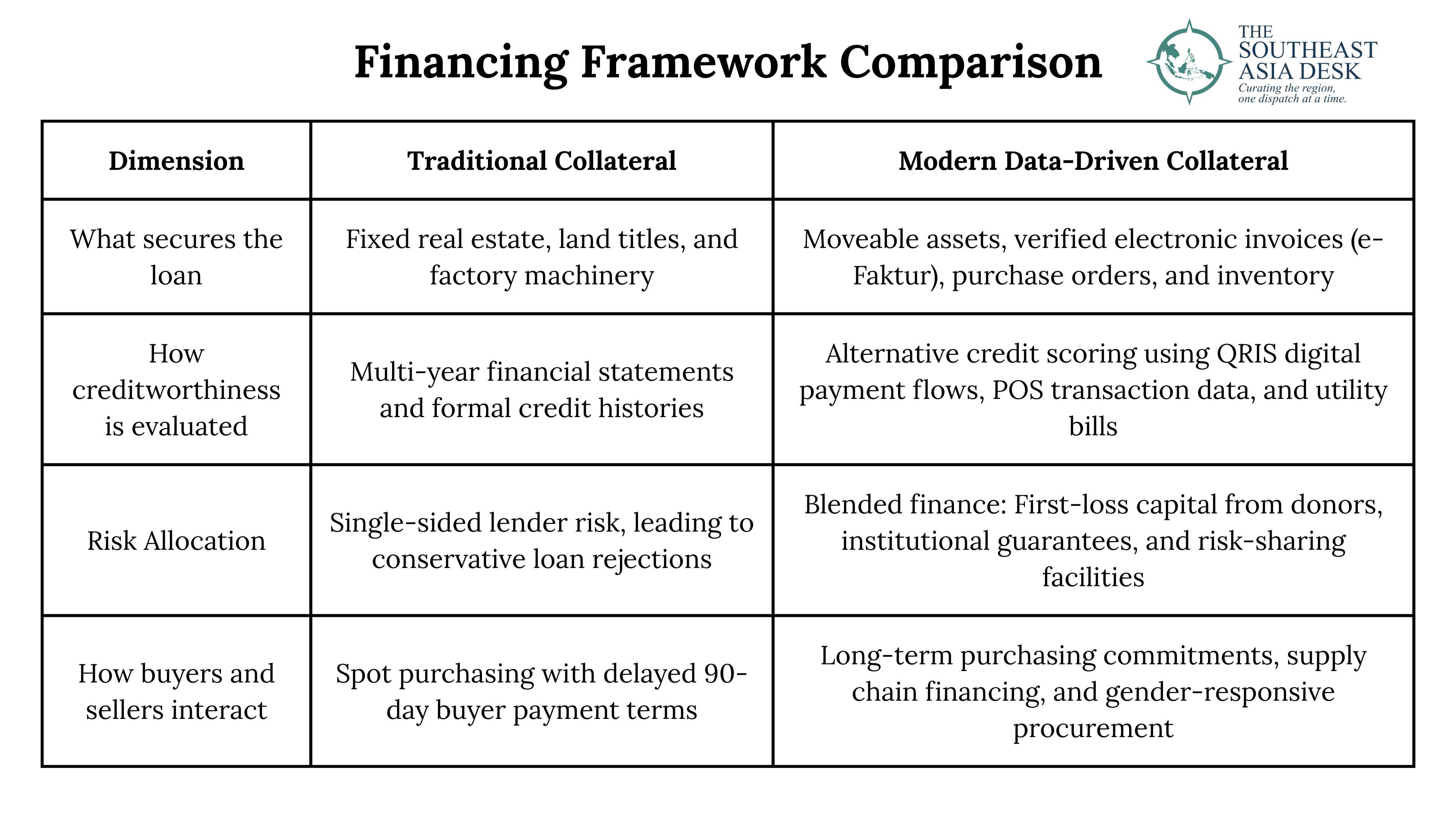
Furthermore, expanding supply chain finance initiatives unlocks a $172 billion USD opportunity in Indonesia alone, allowing small suppliers to borrow against verified corporate purchase orders rather than land deeds.
🤝Cross-Border Collaboration and Tech Integration
ASEAN Digital Economy Framework Agreement (DEFA)
DEFA provides the policy foundation for seamless cross-border trade. By standardizing rules for digital payments, e-commerce, cybersecurity, and talent mobility, DEFA helps SGBs expand regionally without navigating 10 distinct regulatory barriers.
Institutional Ecosystem Bridges
Programs offer structured “soft-landing” pathways for expanding businesses. These initiatives allow startups to validate technology in real-world living labs, such as Sinar Mas Land’s BSD City ecosystem, protect their intellectual property, and access foreign growth capital.
Workflow-Embedded AI Deployment
The regional focus is shifting toward practical, task-oriented AI tools that integrate directly into daily operations. Localized AI agents for multi-channel data analytics, automated creator affiliate outreach, and logistics forecasting reduced daily dashboard analysis time from 30 minutes to 5 minutes. These workflow-embedded AI implementations drove over 700% channel sales growth.
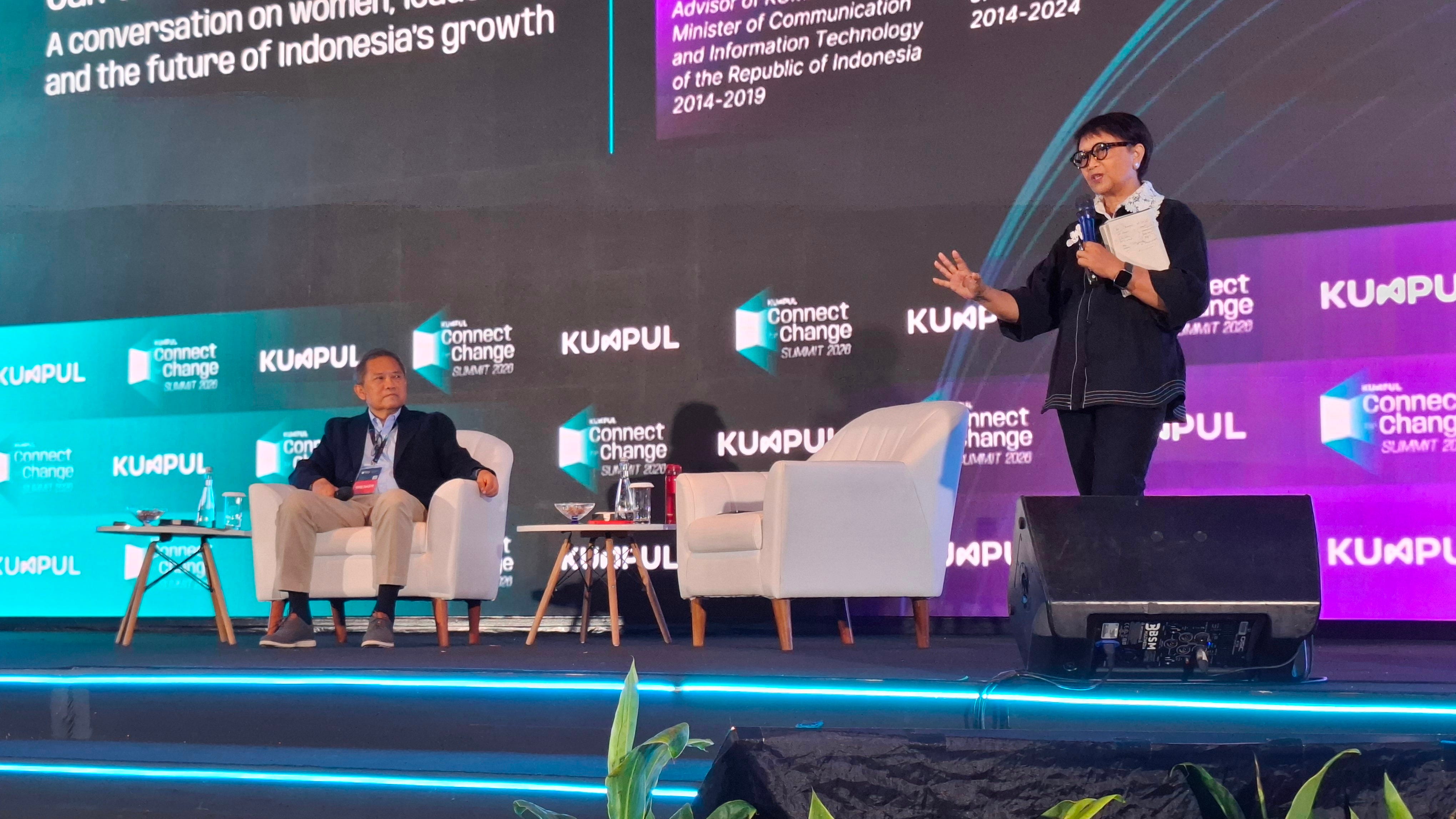
“Regional transformation requires more than individual efforts. It calls for strong partnership, shared vision, and collaboration across borders.ˮ - Dionisius A. Narjoko, Senior Economist, ERIA (Economic Research Institute for ASEAN & East Asia).
🌐 The Regional Stakes
As a strategic middle-power region, Southeast Asia’s long-term credibility depends on balancing rapid commercial expansion with strong governance, data protection, and environmental safeguards:
Green Trade and Net-Zero Demands: Sustainable practices are becoming strict requirements for international market entry. SGBs embedded in global supply chains must receive technical assistance and blended transition funding to adopt climate-smart tools, regenerative agriculture, and certified carbon reporting.
Ethical AI & Resource Governance: Building digital infrastructure requires clear ethical frameworks, data sovereignty safeguards, and environmental accountability to prevent digital growth from overstraining local community resources.
“Collaboration between Europe and Southeast Asia offers a promising pact forward for harmonizing frameworks, protecting customer, and facilitating responsible innovationˮ - Antoine Ripoll, Minister Counsellor at EU Delegation to ASEAN - Parliamentary Relations
📌 The Bottom Line
Generic training programs or isolated corporate charity (CSR) efforts will not secure Southeast Asia's long-term economic growth.
Lasting progress requires a structural shift that positions small and growing businesses as central economic drivers, turns transactional operational data into bankable capital, and connects individual national markets into a unified regional engine.
(DEV/NGO/QOB)