



🎯 The Main Takeaway
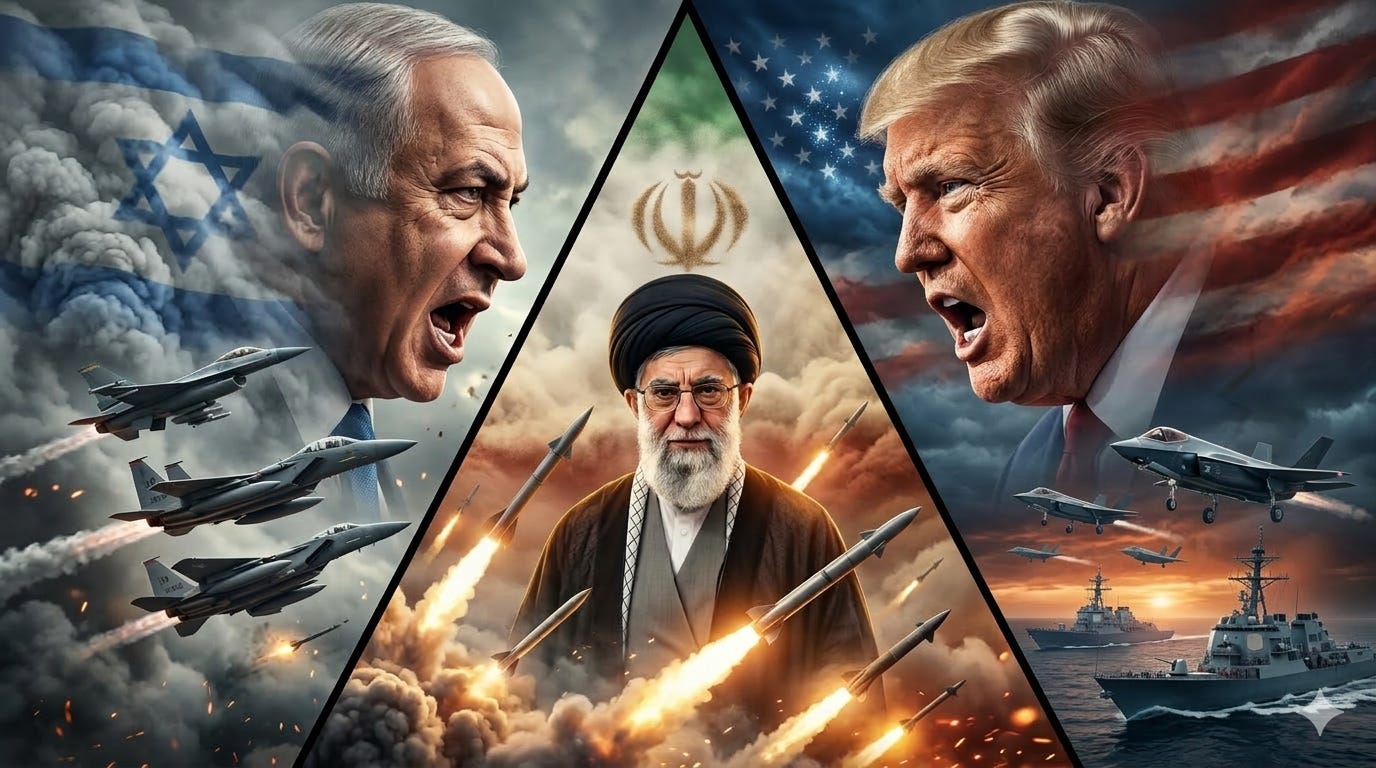
Southeast Asian leaders expressed concern over the escalating conflict in the Middle East following the U.S.–Israel attack on Iran.
They have adopted various strategies to help de-escalate tensions and protect ASEAN nationals living in the region.
Most leaders urged all parties to exercise restraint to prevent the conflict from widening and to prioritize diplomacy and dialogue to reach a peaceful solution.
📡 Why It’s On Our Radar
Israel, backed by the U. S., initiated a wave of airstrikes against Iran on Saturday (2/28), targeting Supreme Leader Ayatollah Ali Khamenei, nuclear facilities, and military sites, particularly ballistic missile infrastructure across the country.
The initial attack occurred during the third round of U.S.–Iran talks, aimed at negotiating Iran’s nuclear program and sanctions relief in Geneva, Switzerland, mediated by Oman. The negotiations had reportedly made significant progress, and a follow-up meeting was scheduled for Monday, March 2, in Vienna, Austria.
In response, Iran launched a barrage of ballistic missiles and swarms of drones targeting Israel and U.S. military and diplomatic assets across the Gulf for self-defense.
“The single most important achievement, I believe, is the agreement that Iran will never ever have nuclear material that will create a bomb. Now we are talking about zero stockpiling, and that is very, very important because if you cannot stockpile material that is enriched, then there is no way that you can actually create a bomb.”
Badr bin Hamad Al Busaidi, Oman’s Foreign Minister, Mediator, on Friday (2/27)
🔥 The Objective
U.S. President Donald Trump claimed that the combat operation against Iran was aimed at eliminating threats to the United States by:
1️⃣ Ensuring that Iran does not possess nuclear weapons or long-range ballistic missiles.
2️⃣ Destroying Iran’s nuclear facilities and missile industry.
3️⃣ Weakening the country’s military capabilities.
4️⃣ Encouraging regime change in Iran.
“Our objective is to defend the American people by eliminating imminent threats from the Iranian regime, a vicious group of very hard and terrible people. Its menacing activities directly endanger the U. S., our troops, our bases overseas, and our allies throughout the world.”
Donald Trump, The U. S. President, On Saturday (2/28).
⚔️ On the Ground
Each side deployed its units for both attack and defense:
🇺🇸 United States: Operation Epic Fury
🛩️Aircraft: Includes B-2 Spirit stealth bombers, F-15 Eagle, F-16 Fighting Falcon, F-22 Raptor, and F-35 Lightning II.
🚢Warships: Include the USS Abraham Lincoln aircraft carrier in the Northern Arabian Sea, the USS Gerald R. Ford aircraft carrier in the Red Sea, and dozens of destroyer-class warships.
🛸Drones: Include LUCAS one-way drones, MQ-9 Reaper drones, and M-142 HIMARS.
🚀Others: Include Tomahawk cruise missiles for attack, as well as Patriot and THAAD missile systems for defense.
🇮🇱 Israel: Operation Roaring Lion
🛩️ Aircraft: Includes F-35I Adir stealth fighters to penetrate Iranian radar and conduct strikes, as well as F-15I Raam and F-16I Sufa for heavy attacks.
🛸 Drones: Include Elbit Hermes 900 drones for surveillance activities.
🛡️ Defense Systems: Include Iron Dome, David’s Sling, and Arrow.
🇮🇷 Iran: Operation True Promise IV
🚀 Ballistic Missiles: Short-, medium-, and long-range ballistic missiles used for attacks, including Fateh-110, Fateh-313, Kheibar Shekan, Sejjil, and Khorramshahr.
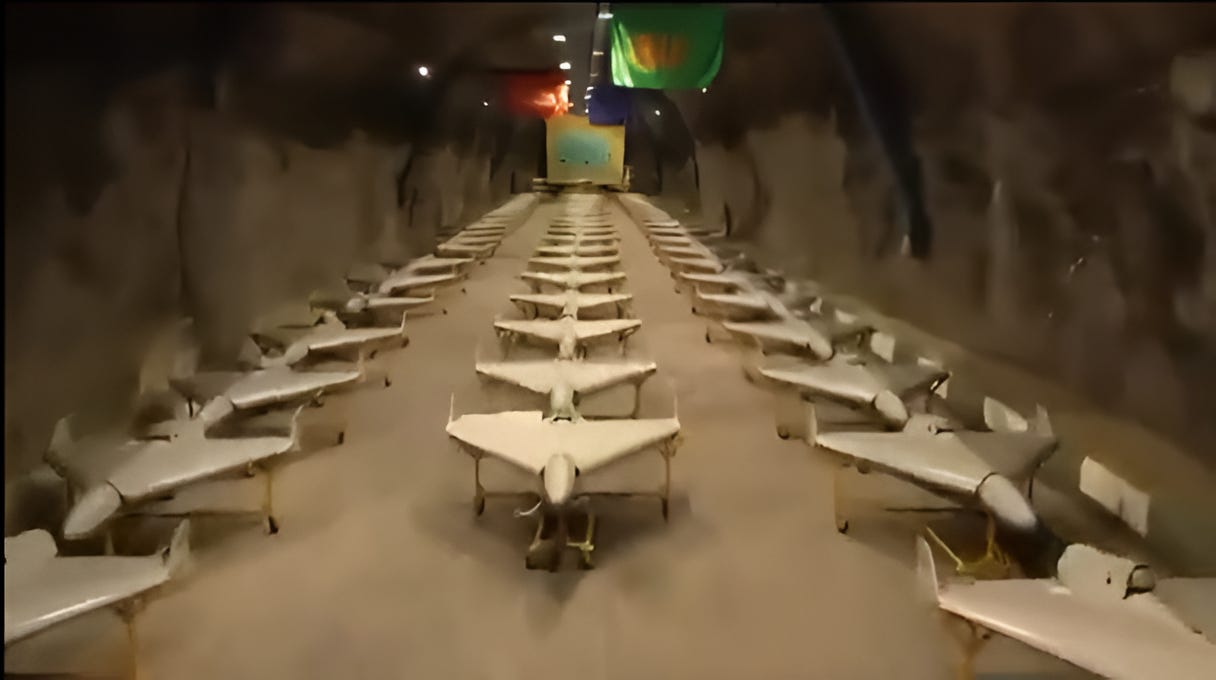
🛸 Drones: Mostly Shahed-136 one-way attack drones.
“Together with the U. S., we will strike hard at the terror regime and create conditions that will allow the brave Iranian people to cast off the yoke of this murderous regime. I say to you, anyone who lays down their weapon, including among the regime forces, will ensure their safety and secure their future. This is your opportunity to establish a new and free Iran.”
Benjamin Netanyahu, Israel’s Prime Minister, On Saturday (2/28).
☠️ The Casualties (As of Mar 11)
All sides, as well as Gulf countries, have experienced some loss of life and damage to infrastructure:
🇮🇷 Iran:
⚰️ Death toll: According to Iran’s UN envoy Saeed Iravani and the Iranian Red Crescent, at least 1,332 people have been killed in Iran, including Supreme Leader Ayatollah Ali Khamenei, senior officials, and about 300 children.
🏬 Civilian Infrastructure: The Iranian Red Crescent reported that the attacks hit civilian infrastructure, damaging at least 7,943 homes, 1,617 commercial sites, 32 health centers, 65 schools, and 13 Red Crescent facilities nationwide, including a girls’ primary school in Minab on February 28.
🏭Energy Facilities: Israeli airstrikes on March 7 set Iran’s oil storage and refining facilities near Tehran and the province of Alborz on fire, sending large flames and thick smoke over the capital area.
💧Water Desalination Plant: Iran accused the U.S. of attacking a desalination plant on Qeshm Island on March 8, cutting the fresh water supply to more than 30 villages.
🎖️Military Facilities: U.S. Central Command (CENTCOM) said strikes since February 28 destroyed Iranian military facilities in Tehran, Konarak, Bandar Abbas, Isfahan, Tabriz, and Zahedan, including IRGC headquarters, as well as missile, naval, and air defense sites.
☢️ Nuclear Facilities: CENTCOM also claimed that strikes targeted and destroyed key nuclear-related facilities in Natanz, Isfahan, and Fordow.
🇺🇸 United States:
⚰️ Death Toll: U.S. Central Command stated that seven American soldiers had been killed by Iranian attacks as of March 8.
🎖️ Military Facilities: Since the war began, more than seven U.S. military bases in Bahrain, Kuwait, the UAE, Qatar, Iraq, Saudi Arabia, Jordan, and Oman have been targeted, including the AN/TPY-2 radar in Jordan, a key part of the THAAD missile defense system worth about USD 300 million.
🏬 Other: Multiple U.S. embassies in Saudi Arabia, Iraq, and Kuwait were also reportedly hit by Iranian attacks.
🇮🇱 Israel:
⚰️ Death Toll: At least 12 people have been killed since February 28.
🏬Civilian Infrastructure: Significant damage has been reported in Tel Aviv following Iranian missile bombardments
🏭Energy Facility: The Islamic Revolutionary Guard Corps (IRGC) claimed it struck Israel’s oil refinery in Haifa on March 7 and a power plant on March 9.
📵Other: The actual number and damage may be higher, but have not been released to the public due to strict media censorship by Israel’s military.
🇧🇭 Bahrain, 🇯🇴 Jordan, 🇰🇼 Kuwait, 🇴🇲 Oman, 🇦🇪 UAE, 🇶🇦 Qatar, and 🇸🇦 Saudi Arabia:
⚰️ Death Toll: Fewer than 50 people have been reported killed in total since the conflict began.
🏬Infrastructure: Several infrastructure sites were damaged by Iranian missile and drone strikes, including a water desalination plant in Bahrain and a fuel tank at Kuwait International Airport on March 8.
🏭 Energy Facilities: Drone strikes targeted Saudi Aramco’s Ras Tanura oil refinery on March 2, Bahrain’s Bapco Energies Al Ma’ameer oil facility on March 9, and an oil storage facility at the Port of Salalah in Oman was hit by a drone strike on March 12.
“We never gave up. We never surrendered. We continue to resist as long as it takes. We continue to defend ourselves, and we are defending our territory, our people, and our dignity, and our dignity is not for sale.”
Abbas Araghchi, Iran’s Foreign Minister, On Sunday (3/8).
⚠️ Why It Matters
The combat activities in the Middle East have prompted Gulf countries to take several decisive actions:
🚫Trade restrictions: Iran limited access to the Strait of Hormuz with strict protocols, disrupting global oil and gas trade, including supplies to Southeast Asia.
⛔Airspace closure: Bahrain, Iran, Iraq, Israel, and Kuwait fully closed their airspace, while Jordan, Qatar, Saudi Arabia, and the UAE kept their airspace partially open with limited flights.
📉Energy production: Bahrain, Kuwait, Iraq, Saudi Arabia, and the UAE cut oil production, while Qatar halted LNG production due to disruptions to shipments through the Strait of Hormuz.
📊 The Impact
The regional conflict and restrictions in the Strait of Hormuz are causing several impacts on global energy supply, especially oil:
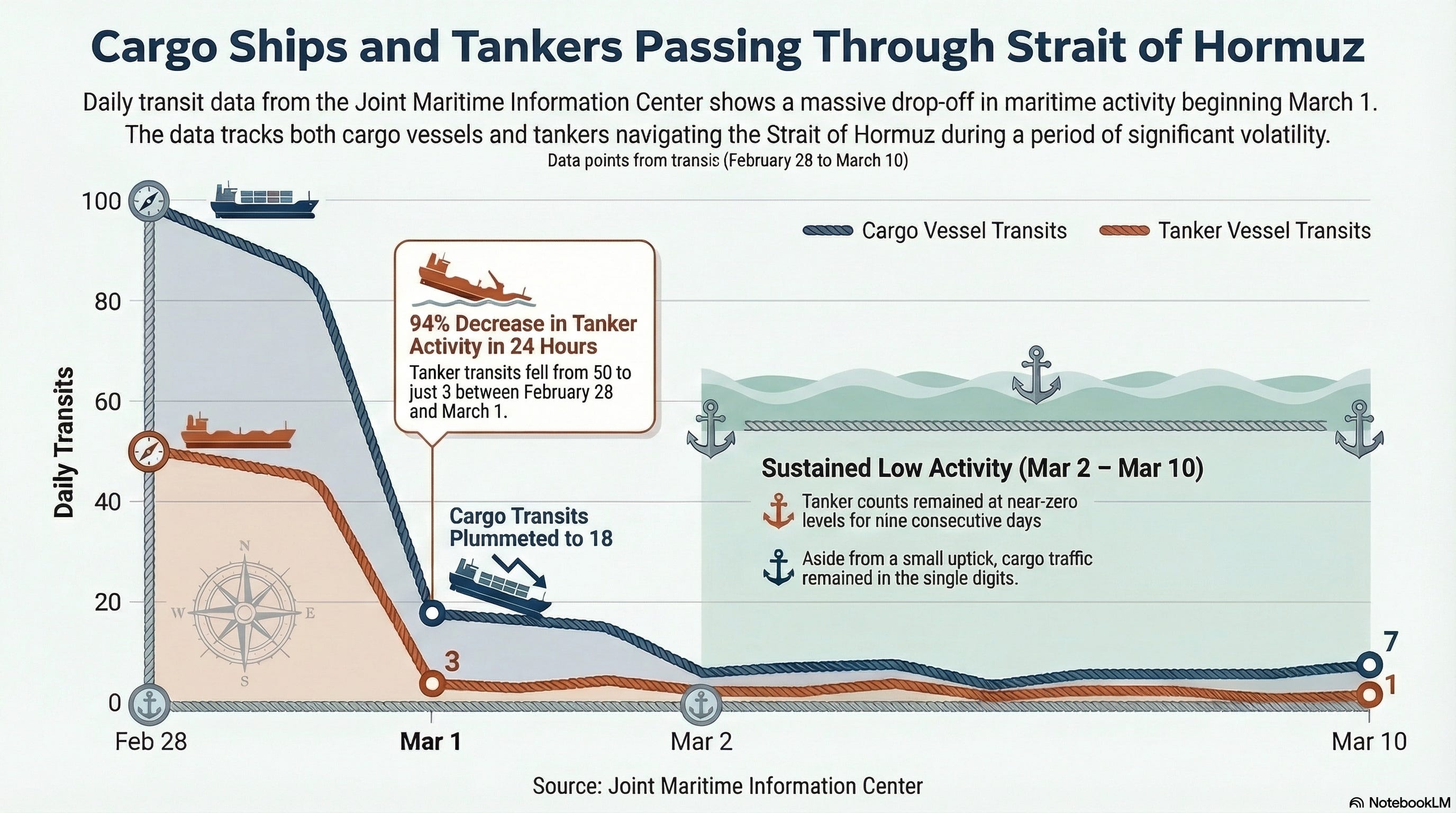
The Joint Maritime Information Center reported that the number of cargo and tanker vessels transiting the Strait of Hormuz has dropped by over 95% since the conflict began on February 28.
According to the International Energy Agency (IEA), the Strait of Hormuz is one of the world’s most critical chokepoints for the oil market, as around 25% of global oil trade passes through the strait, with an average of about 20 million barrels of crude oil and oil products shipped daily.
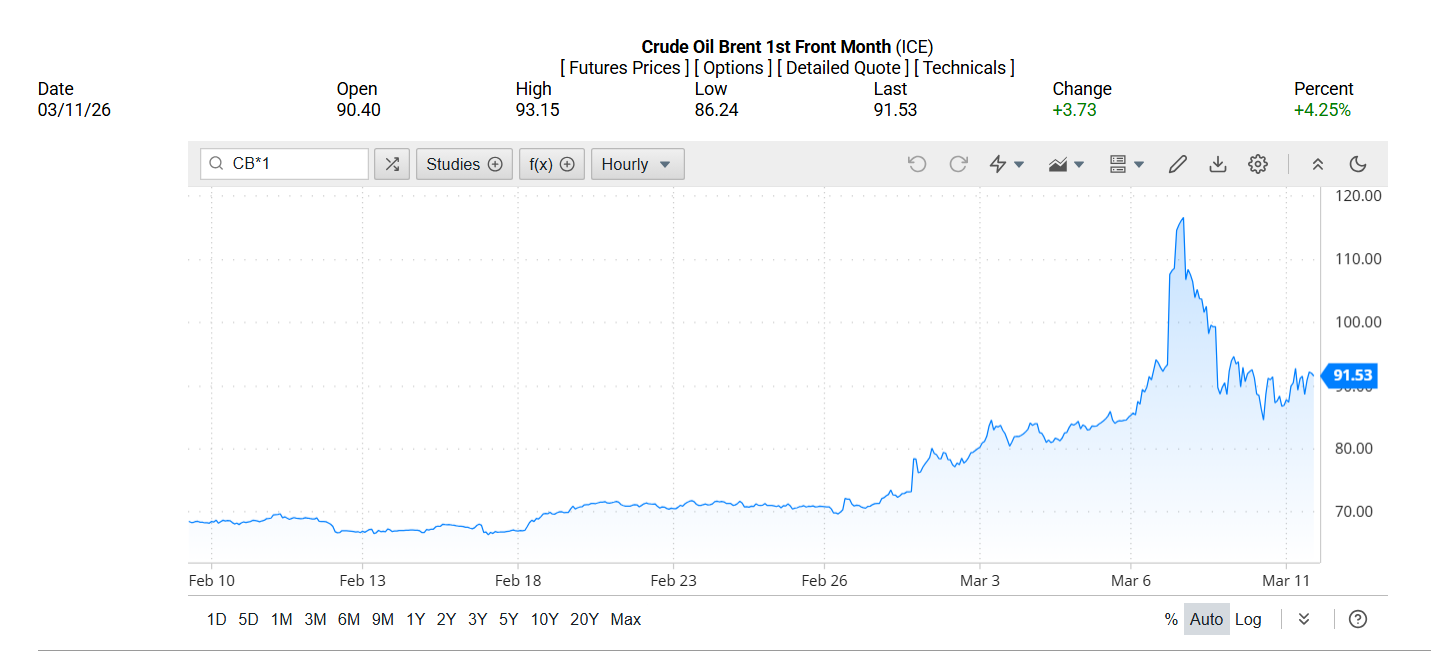
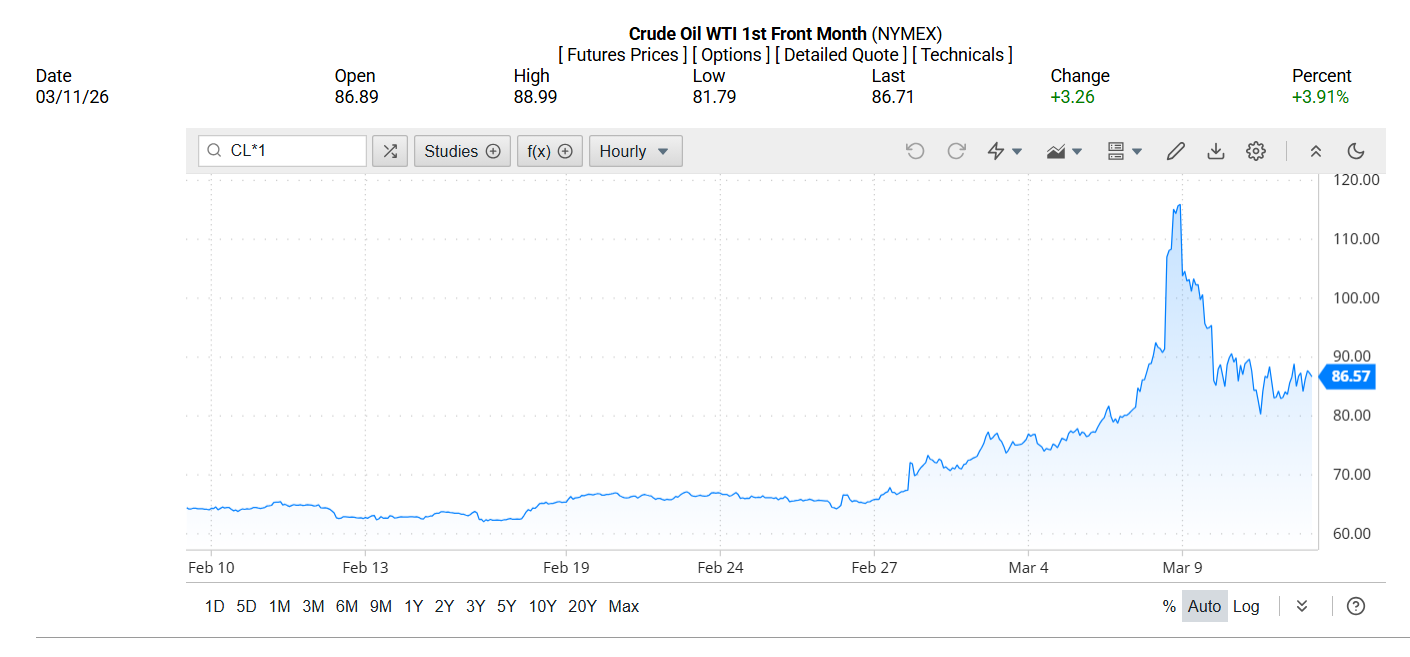
The crude oil price has surged and surpassed USD 100 per barrel for the fourth time in history, after previously occurring during Russia’s military operation in Ukraine in 2022, supply disruptions from 2011–2014, and market shocks during the 2008 financial crisis.
Brent crude oil rose by 28% from USD 72 per barrel on February 27 to around USD 93 per barrel at the close of trading on March 11, and even reached USD 119 per barrel on March 9.
WTI crude oil increased by 31% from USD 67 per barrel on February 27 to about USD 87 per barrel at the close of trading on March 11, and also peaked at USD 119 per barrel on March 9.
Several ASEAN Member States are also preparing countermeasures to prevent a potential energy crisis due to fuel shortages.
🇲🇾 Malaysia On March 11, PM Anwar Ibrahim instructed all ministries, government-linked companies, and government-linked investment companies not to hold the Eid Al Fitr open house tradition, and to limit overseas trips to only essential, pre-planned agendas, in order to save the state budget.
🇰🇭 Thailand decided to implement work-from-home (WFH) arrangements for government agencies and state-owned enterprises starting March 10 to reduce energy consumption. It also suspended overseas study and training programs while ensuring public services remain unaffected.
🇵🇭 The Philippines implemented a four-day workweek for certain executive branch offices starting March 9 and urged government agencies to reduce electricity and fuel consumption by up to 20%. However, emergency and public services are not covered by this policy.
🇻🇳 Vietnam also encouraged remote work starting March 10 to reduce travel demand and transportation needs, helping save fuel. At the same time, the government urged citizens to use more electric vehicles (EVs), hybrid vehicles, public transport, and bicycles for mobility.
🌍 The ASEAN’s Response
ASEAN leaders condemned the attack on Iran, expressed concern over the situation, and urged all sides to exercise restraint to prevent further escalation.
🇧🇳 Brunei Darussalam, 🇮🇩 Indonesia, 🇱🇦 Lao PDR, 🇲🇾 Malaysia, and 🇲🇲 Myanmar: urged the U.S. and Israel to respect Iran’s sovereignty and territorial integrity and to resolve the conflict through diplomatic efforts based on international law and the UN Charter.
“We urge all parties to exercise maximum restraint, cease further hostilities, prioritise immediate de-escalation, and to pursue diplomacy in the interest of safeguarding regional peace and stability.” MoFA Brunei Darussalam, March 1.
“The Indonesian government, especially President Prabowo Subianto, expressed readiness to facilitate dialogue to restore security and stability in the region. The president is also willing to travel to Tehran to mediate the conflict if both sides agree.” MoFA Indonesia, February 28.
“The Lao PDR calls upon all parties concerned to exercise their utmost restraint, cease all acts of violence, and resolve the ongoing conflict by peaceful means in accordance with the principles of the Charter of the United Nations and International Law.” MoFA Lao PDR, March 2.
“An immediate and unconditional ceasefire is urgently required to prevent further escalation. The U.S. and Iran are strongly urged to pursue diplomatic action, and the international community needs to respond swiftly without double standard” Anwar Ibrahim, Malaysian PM, February 28.
“We are expressing deep concern over recent attacks in the Middle East, Myanmar emphasized that only constructive dialogue and diplomatic efforts, aligned with the Five Principles of Peaceful Coexistence, can solve the conflict. The Ministry also urged all parties to respect state sovereignty and territorial integrity.” MoFA Myanmar, March 6.
🇰🇭 Cambodia, 🇰🇭 Thailand, and 🇵🇭 the Philippines: Prioritizing the safety of their nationals in the Middle East and preparing to evacuate them from the region.
“The safety of Cambodians living in the region is the top priority. Measures, including evacuation if needed, must be implemented in a timely manner.” Hun Manet, Cambodia PM, March 6.
“The government affirms it will do everything possible to ensure the safety of Thai citizens. If they wish to return home, Thailand is ready to arrange flights to pick them up immediately. At the same time, I urge Thai citizens in the area to strictly follow the embassy’s instructions.” Anutin Charnvirakul, Thai PM, March 1.
“We have not received any reports of Filipino casualties. No Filipinos have died. No Filipinos have been injured. Our compatriots are in a safe place. And they have gone to bomb shelters where they are. And they are moving away from the American bases so that they do not come close to danger.” Ferdinand Marcos Jr., President of the Philippines, March 1.
🇸🇬 Singapore: Issued a travel advisory urging its citizens to avoid traveling to the Middle East and prioritize their safety.
“Singaporeans are advised to defer all travel to Israel, Iran, and the Middle East region. Singaporeans currently residing or transiting in the region are advised to take all necessary precautions for their personal safety. This includes staying indoors, proceeding to a safe shelter when alerted, monitoring the news closely, and heeding the local government’s advice.” MoFA Singapore, February 28.
🇹🇱 Timor-Leste: Condemned Iran’s attacks on neighboring Middle Eastern countries, warned that such strikes could endanger civilians in countries not involved in the conflict, and called for an end to the military campaign against Iran.
“We also call for restraint and an end to the military campaign against Iran. The U.S. and Israel attack on a non-nuclear armed country, and the assassination of the Iranian spiritual leader, clearly violate the UN Charter and International Law. There was no clear argument for self-defense, and nor was there any evidence of imminent threat against them.” José Ramos-Horta, Timor-Leste President, March 2.
🇻🇳 Vietnam: Instructed relevant ministries to monitor developments in the Middle East conflict, assess its impact on Vietnam’s economic stability, and prepare policy responses to address the situation.
“Please be aware of potential impacts on the country’s macroeconomic stability, particularly inflation, growth, energy security, and logistics due to rising prices, and possible supply chain disruptions, while ensuring the safety of Vietnamese citizens abroad.” Pham Minh Chinh, Vietnam PM, March 4.
🏡 Why This Hits Home
Relations between ASEAN and the Gulf Cooperation Council (GCC) began in March 1986, when the GCC Ministerial Council decided to open an economic dialogue with ASEAN to enhance cooperation between the two blocs.
In line with the plan, Omani Foreign Minister Yusuf bin Alawi bin Abdullah, who also served as the GCC Chairman, established formal relations with ASEAN in 1990.
Both sides strengthened dialogue through ministerial meetings, workshops, and held the first ASEAN–GCC Summit on October 20, 2023, in Riyadh, Saudi Arabia, where they agreed to adopt the ASEAN–GCC Cooperation Framework (2024–2028) to guide cooperation in political-security, economic, and socio-cultural sectors.
As a result, the GCC became ASEAN’s 7th largest trading partner, with total trade reaching USD 130.7 billion in 2023, mainly in oil, gas, energy, and financial services. Moreover, the GCC was ASEAN’s 16th largest source of FDI, valued at USD 390.2 million in the same year.
🧭 Beyond the Headlines
Ayatollah Ali Khamenei’s second son, Mojtaba Khamenei, was elected as Iran’s next Supreme Leader on March 8.
This is the second time Israel has attacked Iran during U.S.–Iran nuclear talks. The first occurred in June 2025, triggering a 12-day Israel–Iran war from June 13 to 24 that targeted Iran’s nuclear and military facilities, which ended with a ceasefire mediated by the United States and Qatar.
A Thai-flagged bulk carrier, Mayuree Naree, traveling from the UAE to India, was hit by a projectile near the Strait of Hormuz on March 11, leaving three crew members missing and forcing the evacuation of 20 others to Oman. At least 12 vessels have been hit around the Strait of Hormuz since the war began.
🔎 Need More Angles?
ASEAN Secretariat ASEAN-Gulf Cooperation Council Framework of Cooperation 2024-2028
ASEAN Secretariat ASEAN Foreign Ministers’ Statement on the Situation in the Middle East
ASEAN Secretariat Overview of ASEAN-GCC Relations
Cambodianess Watch Iran Conflict for Safety and Fuel Risks: PM
International Energy Agency Strait of Hormuz Factsheet
Investing.com Brent Oil Futures Historical Data
Investing.com Crude Oil WTI Futures Historical Data
Joint Maritime Information Center Update 011 to JMIC Advisory Note: 01-11 March 2026
Minister of Foreign Affairs Brunei Darussalam’s Statement on Development in The Middle East
Minister of Foreign Affairs MFA Spokesperson’s Comments on the Situation in the Middle East, 28 February 2026
Precidencia da Republica Press Release – Statement by the President of Timor-Leste On the Escalating War in the Middle East
Presidential Communication Office President Marcos Says Filipinos Moved to Safe Areas, No Casualties Reported Amid Israel US Iran Attacks
(NGO/QOB)