



🎯 Main Takeaway
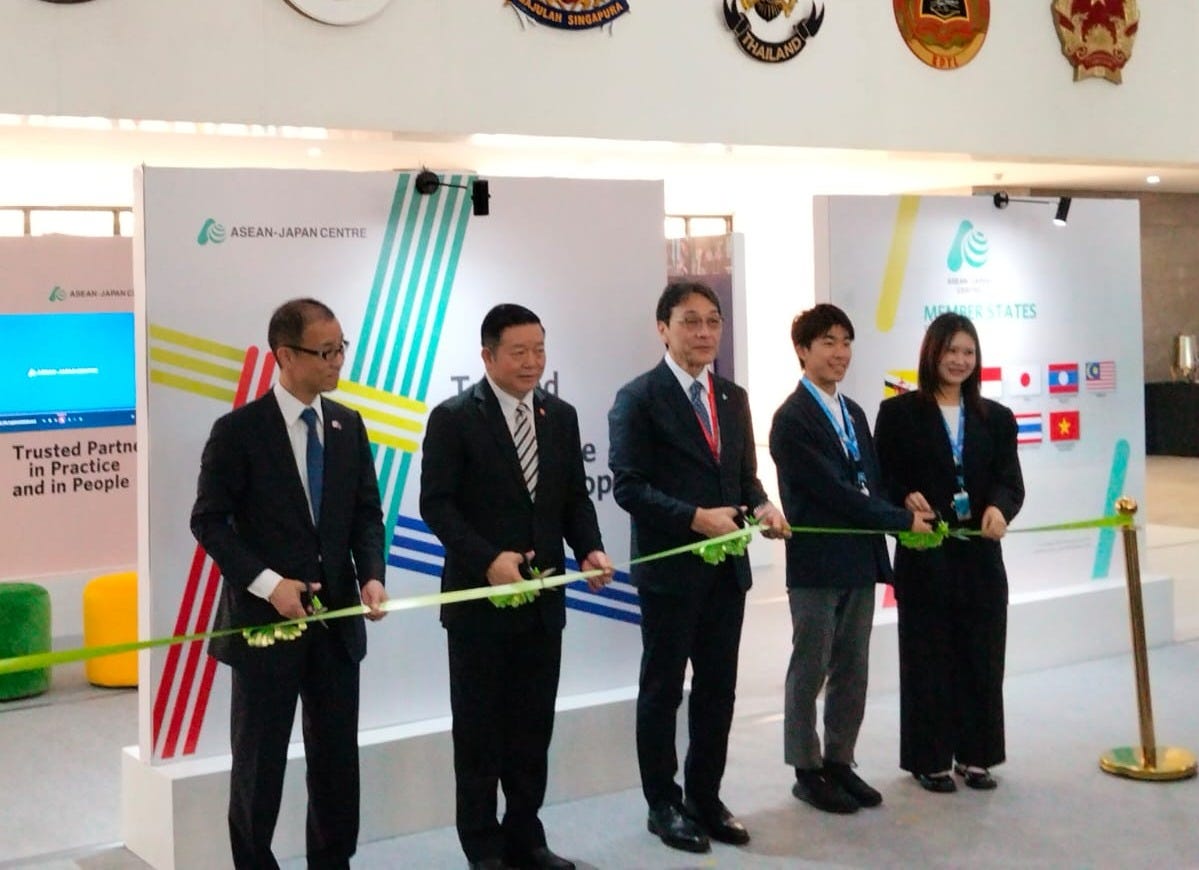
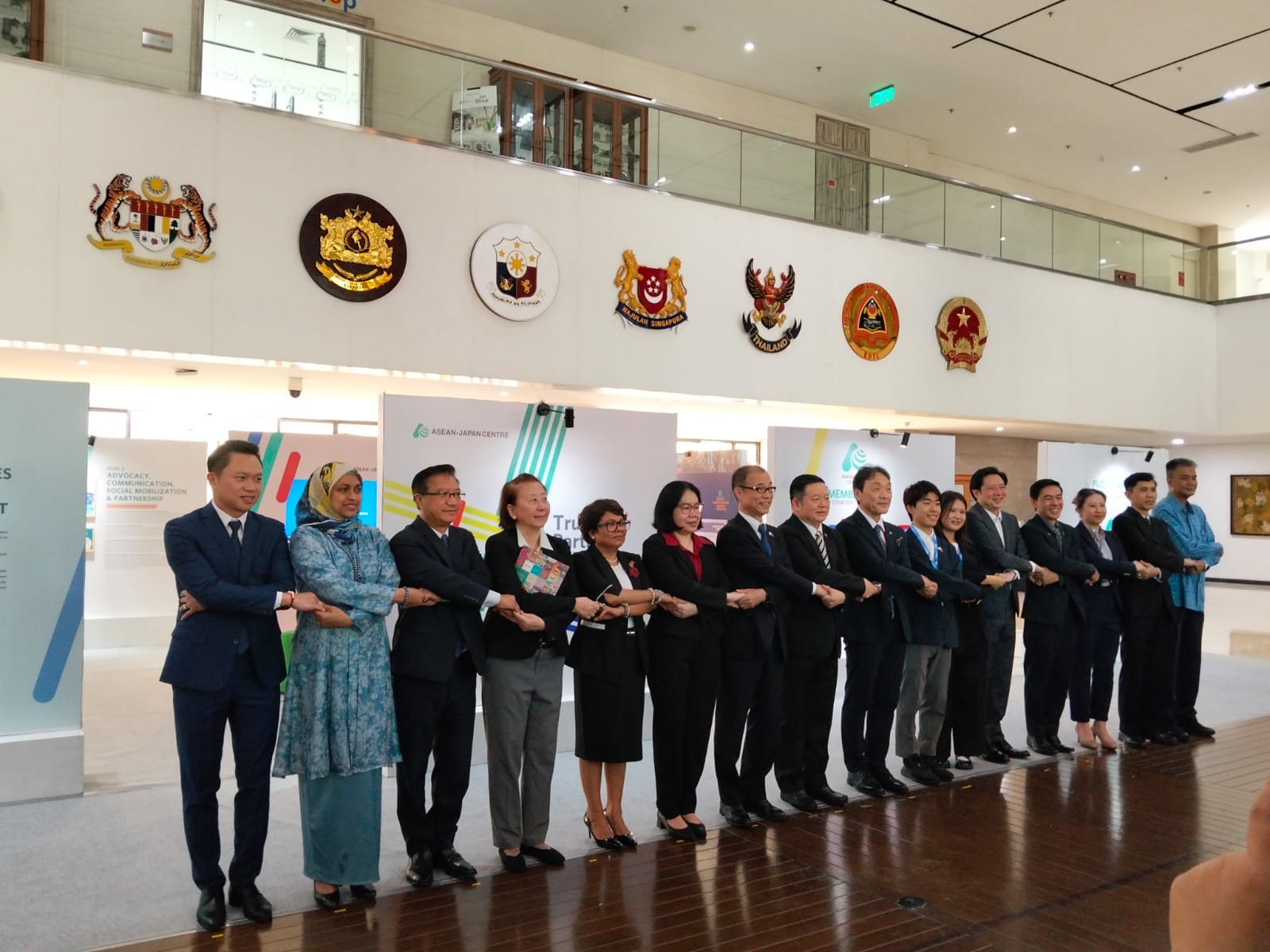
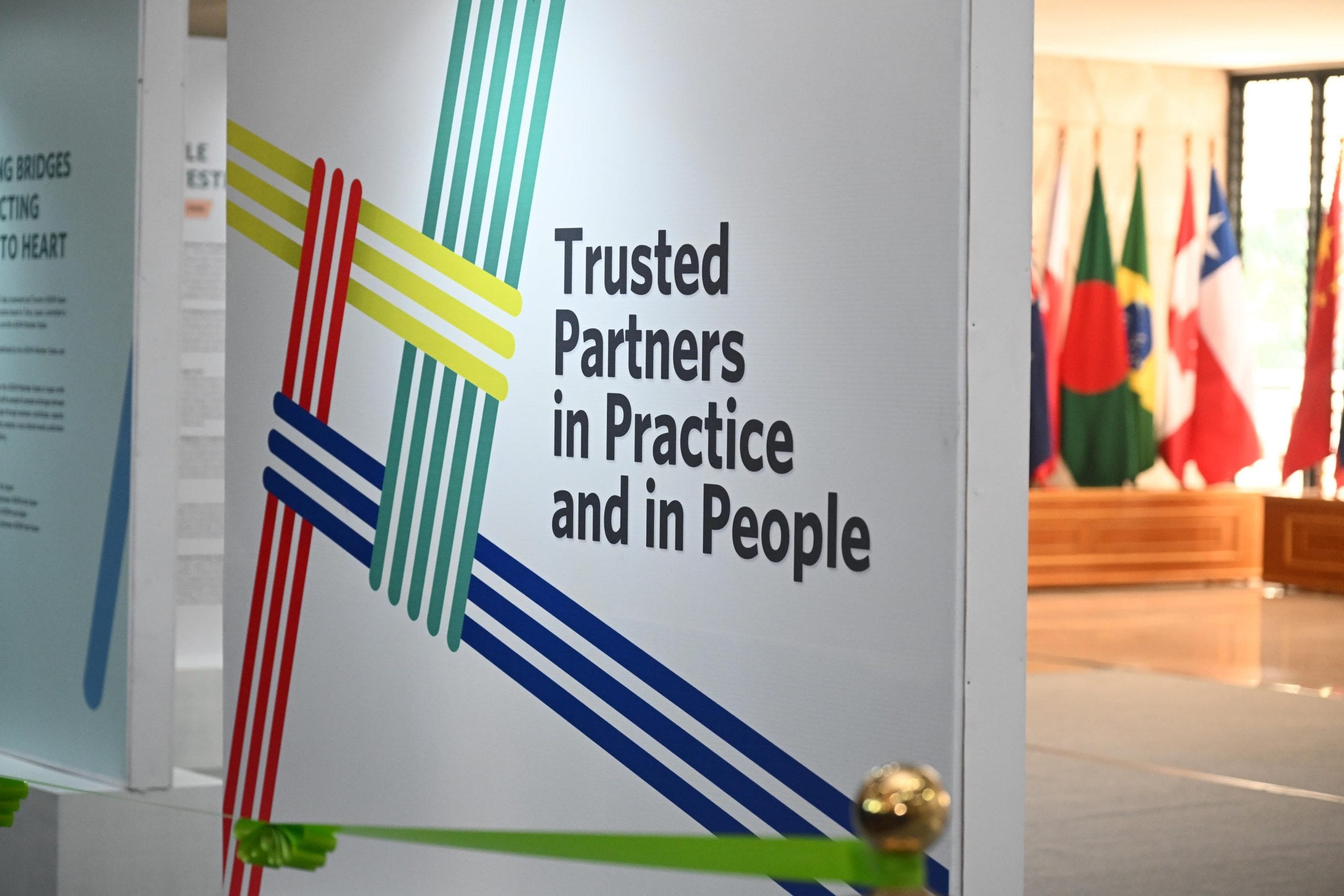
The ASEAN-Japan Centre (AJC) officially opened an exhibition at the ASEAN Secretariat in Jakarta on 11 August 2026. The exhibition, which runs from 11 to 13 August 2026, marks the first exhibition stand under a new initiative by the ASEAN Secretariat to provide a dedicated space for ASEAN Centres of Excellence and ASEAN-accredited entities to showcase their work, expertise and contributions to the public and stakeholders.
The exhibition also marks the 45th anniversary of the ASEAN-Japan Centre, showcasing how ASEAN-Japan relations have evolved. The focus has shifted from trade, investment and tourism towards people-to-people exchanges, youth development, cultural exchange and sustainable cooperation.
At the same time, the role and involvement of the younger generation in the ASEAN-Japan Young Environmental Leaders Network (AJYELN) demonstrate how this cooperation is preparing to tackle new challenges such as climate change and technological developments like Artificial Intelligence (AI).
📡 Why its in Our Radar
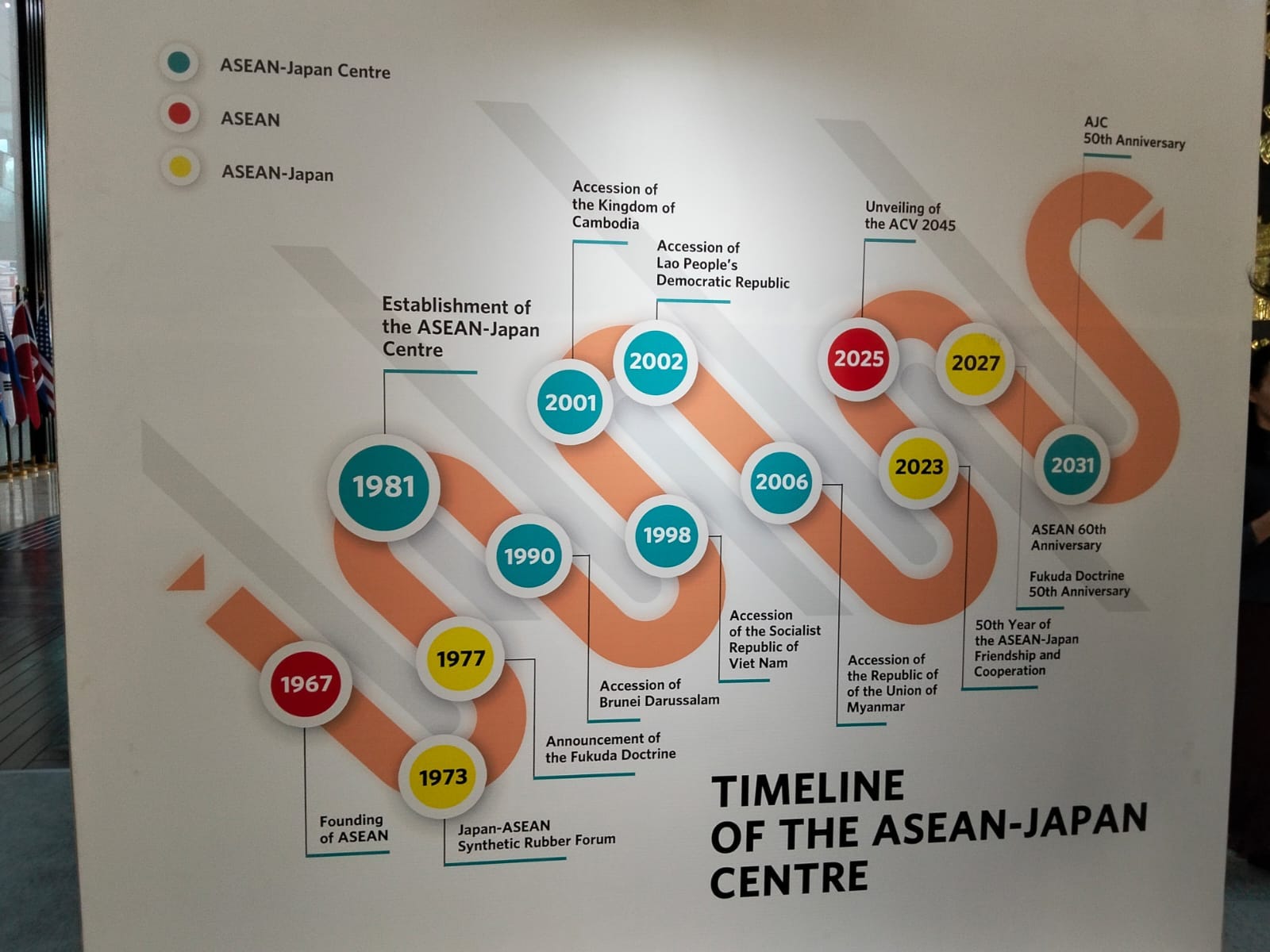
The ASEAN-Japan Centre was established in 1981 by the Japanese government and the ten ASEAN Member States, with the aim of strengthening ASEAN-Japan relations; for over four decades, it has played a role in promoting trade, investment, tourism and people-to-people exchanges.
In 2023, to mark 50 years of friendship and cooperation through the Tokyo Commemorative Summit, ASEAN and Japanese leaders agreed to deepen the ‘heart-to-heart’ ties between ASEAN and Japan and to jointly build a peaceful, sustainable, inclusive and prosperous society.
Therefore, the 45th anniversary of the AJC in 2026 is not only an opportunity to look back on the long journey of ASEAN–Japan cooperation, but also a moment to reflect on how these relations have evolved and remain relevant in the face of new challenges in this era.
🌏 Where is the ASEAN-Japan Centre Heading?
After 45 years as the primary bridge between ASEAN and Japan, the AJC is seeking to expand its role through AJC 5.5, a medium-term strategy leading up to 2030. Under this strategy, the AJC’s new direction is to act as a regional catalyst and bridge-builder for more inclusive, sustainable and people-centred ASEAN–Japan relations through heart-to-heart partnerships, co-creation and innovation.
This strategy is built upon five key objectives:
Inclusive, Resilient, and Sustainable Trade
Sustainable Impact Investment
Sustainable and Responsible Tourism
Leadership and People exchange
Advocacy, Communication, and Partnership for Change.
These five objectives are implemented through five transformative pathways: community empowerment; creating a sustainable and digitally connected future; strengthening regional resilience; utilising evidence and innovation for policy-making; and knowledge diplomacy and strategic visibility.
The AJC has also identified five economic sectors as enablers: the digital economy, the green and blue economy, the creative economy, the nature-positive economy, and the wellness economy. Thus, the AJC’s existing mandate is retained, but placed within a new context of digitalisation, sustainability, resilience, and more people-centred development.
🤝 From Economic Ties to People-to-People Connections
For 45 years, the AJC has served as a bridge between ASEAN and Japan through four key areas:
Trade & Investment: The AJC expands access for ASEAN products and businesses to Japan through a range of activities, including trade promotion, investment, business matching and capacity building. Recent examples include the Vietnam–Japan Investment and Trade Cooperation Conference, a programme to help Vietnamese MSMEs enter the digital trade sector, and the Indonesia–Japan circular value chains collaboration in 2026.
Tourism: In the tourism sector, the AJC promotes tourist flows as well as the exchange of best practices across the industry. Programmes such as the ASEAN-Japan Sustainable Tourism Best Practices Knowledge Sharing initiative bring together tourism stakeholders to share experiences on how the sector can grow more sustainably.
People-to-People Exchange: The ASEAN-Japan Centre strives to bring closer ties to the public through various cultural exchange programmes, educational activities, and youth and leadership programmes. One example is the AJYBB Youth Co-Creation Lab 2026, which invites young people from ASEAN and Japan to meet, talk and create through the exchange of ideas and collaboration.
Youth & Sustainability: The ASEAN-Japan Young Environmental Leaders Network (AJYELN) programme brings together young people from ASEAN and Japan to develop solutions to plastic pollution. Some of its initiatives have included coastal clean-ups, plastic reduction campaigns, and circular economy projects across various ASEAN countries.
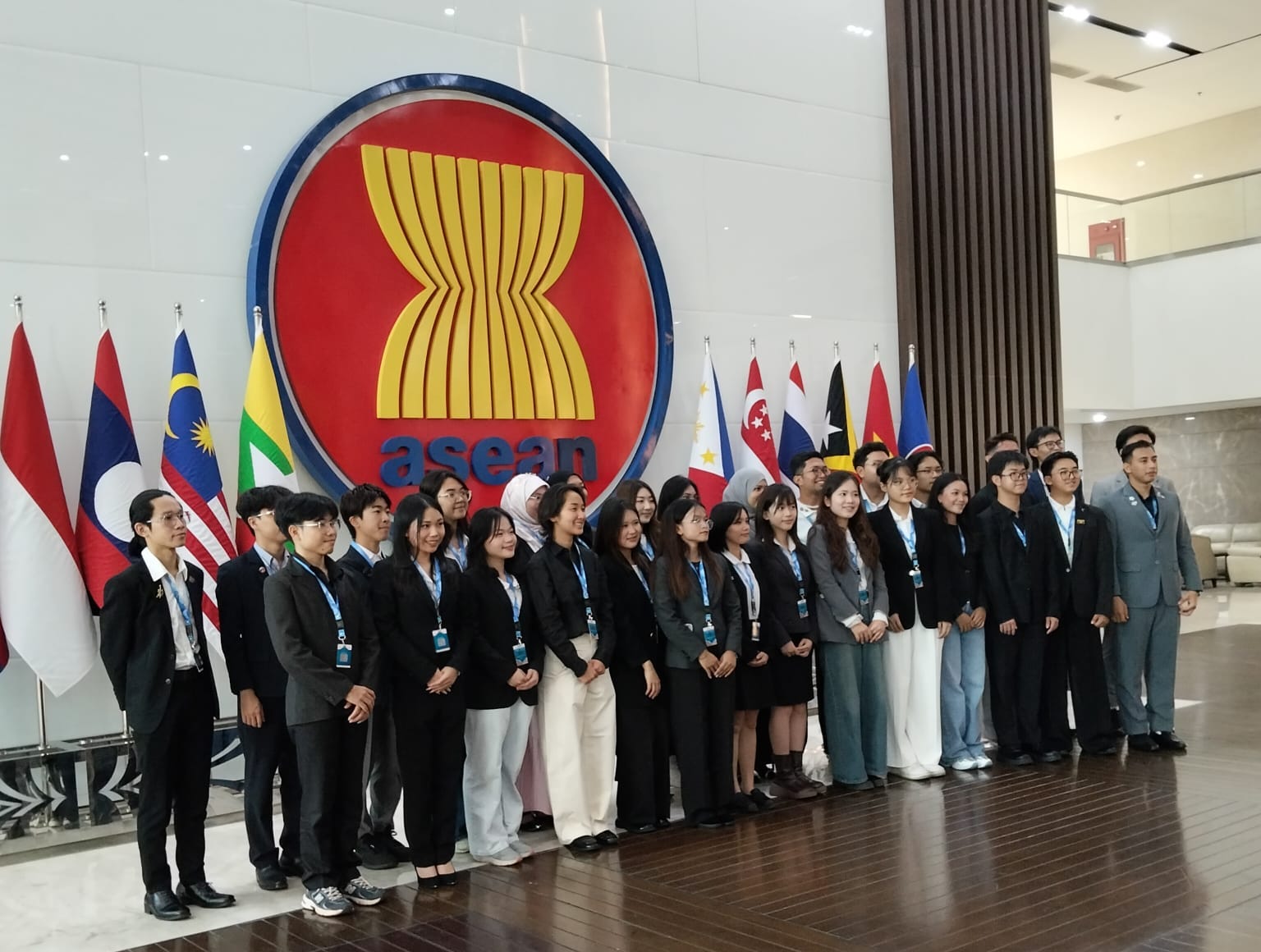
👥 Youth as the Next Generation of ASEAN–Japan Partnership
Young people play a vital and central role in AJC 5.5 Goal 4. The AJC specifically prioritises the empowerment of young people and women, including through leadership exchanges and cooperation on marine plastic waste. The aim is not merely to bring together young people from ASEAN and Japan, but also to encourage them to develop concrete solutions to issues at the community, national, regional and global levels.
This is being realised through the ASEAN-Japan Young Environmental Leaders Network (AJYELN), which was launched in 2023 as the AJC’s flagship youth leadership programme. The programme equips young people with training, mentoring, networking opportunities and seed funding to develop and implement environmental projects in their communities.
The impact is beginning to show. According to data presented at the exhibition, AJYELN recorded 182 activities, reached 44,279 people, and involved 153 supporting organisations between 2023 and 2025. The programme also recorded 4.9 tonnes of waste collected and US$2.2 million in seed funding utilised.
In 2026, AJYELN 2.0 brings together young people from ASEAN and Japan to deepen their understanding of plastic-related issues, turn ideas into action, and build networks to work towards shared solutions. Under the theme “Youth for a Plastic-Resilient Region: Action. Innovation. Transformation”, the programme emphasises concrete action and innovative solutions for regional sustainability.
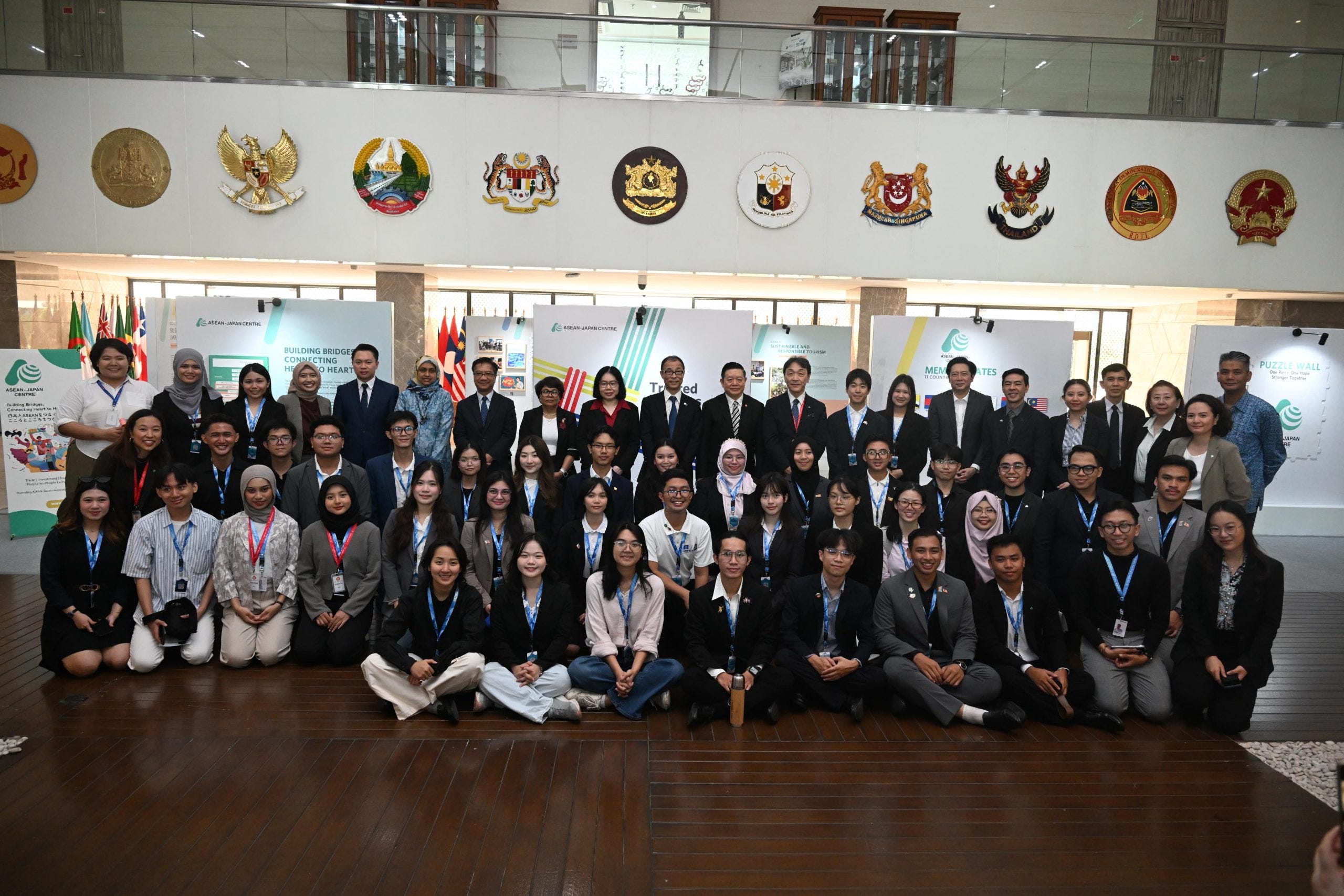
Their presence at the exhibition symbolises that people-to-people exchange is no longer merely a cultural exchange or a visit. The younger generation is also positioned as co-creators in addressing shared challenges.
“Their enthusiasm and commitment reaffirmed my conviction that investing in young people is indeed investing in the future of our partnership,” – ASEAN Secretary-General Dr. Kao Kim Hourn.
🌏 Bigger Picture
ASEAN–Japan relations now exist in a different context compared to when the AJC was first established in 1981. While early cooperation was largely built on trade, investment and tourism, the relationship now increasingly encompasses more cross-border issues—ranging from climate change and sustainability to digital transformation and AI.
This demonstrates that maintaining long-term relations requires more than simply preserving existing cooperation. The partnership must also continue to adapt to new challenges, whilst strengthening connections at the grassroots level. In this context, the AJC serves as a platform that transforms ASEAN–Japan relations from economic cooperation into broader regional cooperation.
📌 Bottom Line
The exhibition, which also marks the 45th anniversary of the AJC, is not merely a look back at what ASEAN and Japan have built over more than four decades. It also serves as a reminder that this partnership must continue to evolve in response to the region’s challenges and those of the next generation.
From trade and tourism to youth-led environmental action, this exhibition highlights a common thread: keeping the ASEAN–Japan relationship connected, relevant and forward-looking.
🔍 Need More Angle?
ASEAN-Japan Centre ASEAN-Japan Centre
(DHM/AKS/ELS)