



🟢 The Main Takeaway
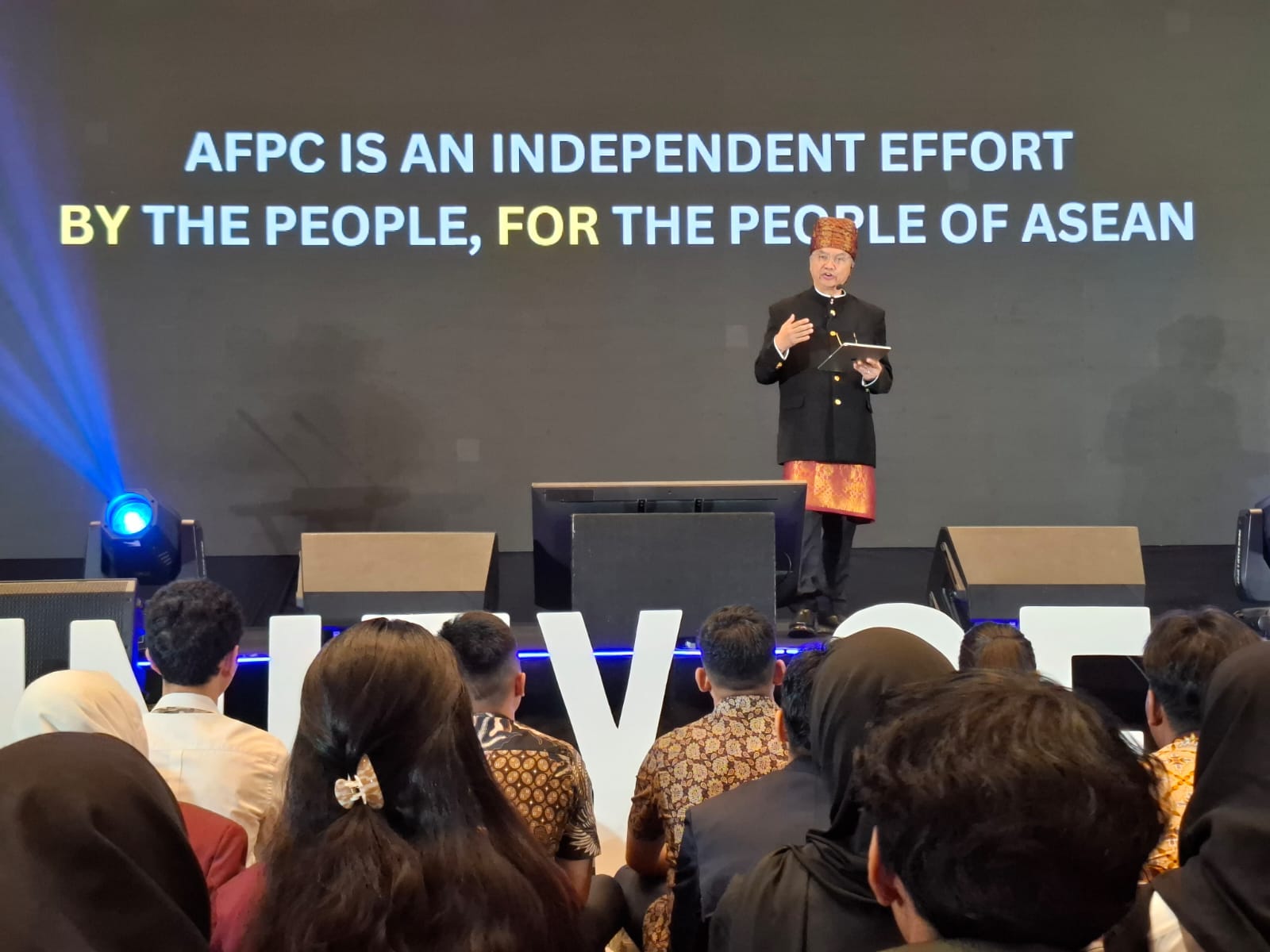
The Foreign Policy Community of Indonesia (FPCI) hosted the ASEAN for the People Conference 2025 on Oct. 4–5 in Jakarta, drawing 8,000 participants, 30+ speakers, and 120 civil society organizations (CSOs) from across Southeast Asia.
With the theme “Harnessing Southeast Asia’s Greatest Resource”, the event connected grassroots actors with policymakers and experts to tackle issues like climate change, digital security, migration, governance, peacebuilding, education, health, and quality of life.
🔑 Why It’s on Our Radar
🌐 A region of 700M: ASEAN’s population is projected to surpass 700 million in 2025, yet many citizens still feel disconnected from ASEAN’s vision and identity.
🤝 People gap: The organization has long been seen as elite-driven, leaving civil society with little sense of ownership or influence.
🚀 Bridge the divide: Independent initiatives like this conference aim to close that gap, fostering collaboration and trust among ASEAN citizens.
🌏 The Big Picture
ASEAN leaders have pledged a “people-centered, people-oriented” vision in the ASEAN Community Vision 2045. But reality shows civil societies often work in silos, weakened by mistrust and limited cross-border networks.
FPCI Chairman Dino Patti Djalal emphasized that civil societies are crucial to ASEAN stability — especially in turbulent times — and called for new platforms where citizens’ voices can shape policies before decisions are made.
🏠 Why This Hits Home
Civil societies aren’t just watchdogs — they’re drivers of peace, progress, and prosperity.
🧭 They help keep governments accountable.
🤲 They amplify local voices in shaping regional policies.
🚀 They can push Southeast Asia toward a more inclusive and resilient future.
✨ Key Highlights
🏛️ Flagship event: FPCI aims to make the ASEAN for the People Conference an annual people-centered platform alongside ASEAN Summits.
🌐 CSO network: Plans to build a massive independent database of ASEAN CSOs to foster collaboration.
🧩 Ground-up movement: Encouraging civil societies to lead change — not just rely on government top-down initiatives.
📅 People-driven ASEAN Week: Proposed as a parallel public engagement during every ASEAN Summit.
💡 Ownership: Vision for ASEAN where people know, respect, and love the institution because it works for them.
📍 Regional Stakes
⚖️ Peacekeeper role: ASEAN remains one of the world’s few regions with relative stability amid global turmoil.
🌱 Shared resilience: Stronger cross-border CSO collaboration could boost innovation, trust, and regional security.
🔥 Geopolitical influence: A united, people-powered ASEAN could play a bigger global role in shaping norms and easing tensions.
📌 Bottom Line
The ASEAN for the People Conference 2025 signals a shift toward a people-driven future in Southeast Asia. If civil societies can organize, network, and influence decision-making, ASEAN could evolve from an elite diplomatic club into a region that truly works for its 700 million citizens. 💬✨
(NGO/ELS)