




🎯 The Main Takeaway
The Singapore-based market research and analytics company Cube Asia, in partnership with impact.com and Dentsu, released its latest report, “E-commerce Influencer & Affiliate Marketing in Southeast Asia 2026,” on 23 July.
The report highlights how generative AI is changing consumer behaviour in Southeast Asia, particularly in how consumers discover and compare products on online marketplaces before making a purchase.
However, human recommendations still play a more important role in decision-making, as consumers value their trust, honesty, and real-life product experiences.
📡 Why It’s on Our Radar?
Southeast Asia has several key factors driving the growth of its digital economy:
Population: The region has over 700 million people in 2026, representing around 8.5% of the global population.
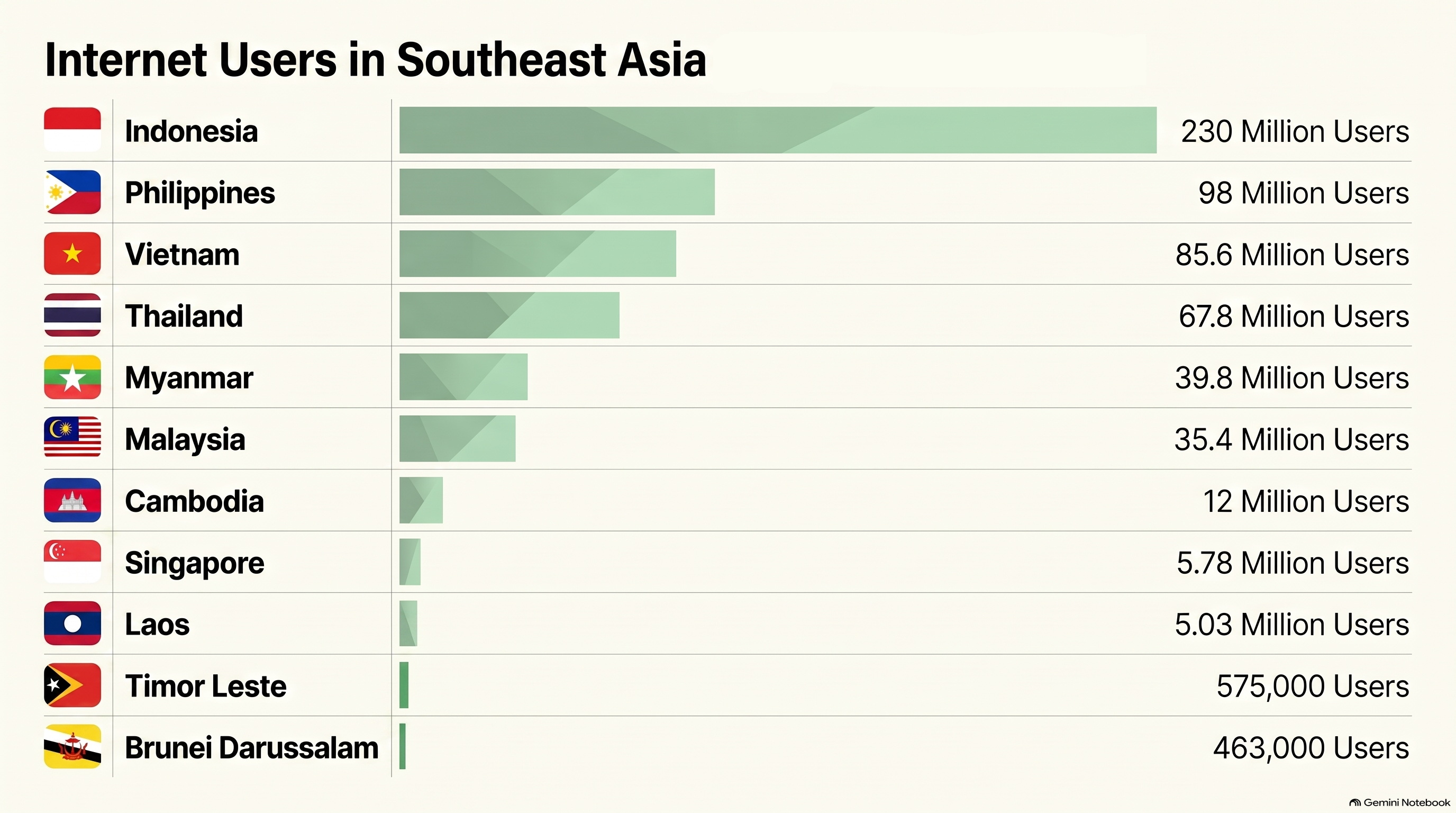
Internet Users: More than 580 million internet users across the 11 member states were recorded by the end of 2025, accounting for nearly 10% of global internet users.
E-commerce Platforms: More than 100 e-commerce platforms, including both global and local platforms, operate across the region.
The Rise of AI: 91.8% of online adults in Southeast Asia use AI in their daily lives, including for shopping to find, compare, and choose products.
Influencer & Affiliate Marketing: Product recommendations from creators and affiliates are booming, influencing consumers to discover and purchase products.
Together, these factors are creating new opportunities for e-commerce, AI, and digital businesses to grow across the region.
⚠️ Why It Matters?
The research covers six Southeast Asian countries — Indonesia, Malaysia, Singapore, Thailand, the Philippines, and Vietnam — using several research methods:
Consumer Survey: 2,400 men and women aged 18–69, examining attitudes towards influencers and influencer marketing in 2026.
Annual Consumer Survey: 6,000 men and women aged 18 and over, focusing on e-commerce and AI adoption in 2025.
Expert Interviews: 30 in-depth interviews with industry experts, influencers, agencies, and e-commerce platforms.
Industry Leader Survey: 34 industry leaders across Southeast Asia, covering marketing spending, creator income, and AI.
E-commerce Market Data: Data from Cube on Southeast Asia’s e-commerce market across countries and product categories.
🏡 Why This Hits Home?
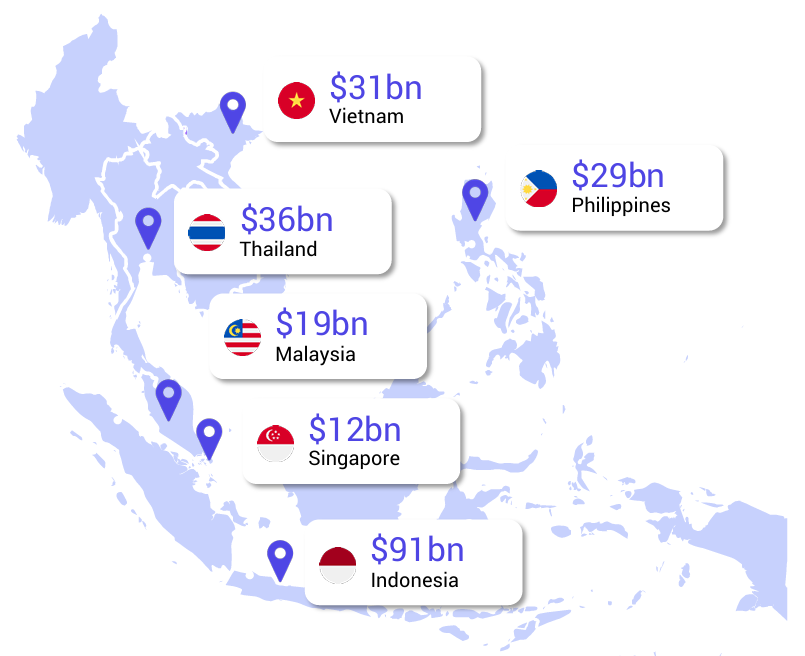
E-commerce in Southeast Asia has grown steadily rising from USD 165 billion in 2024 to USD 190 billion in 2025, a 15% year-on-year increase. The market is expected to grow by another 15% to USD 219 billion in 2026, before nearly doubling to USD 410 billion by 2031.
Indonesia and Thailand are expected to lead the region in 2026, with USD 91 billion and USD 36 billion in e-commerce sales, respectively. Together, they could account for 58% of regional sales, with 72% of sales coming from marketplaces.
👩💼👨💼 Human Trust Leads
According to the report, human recommendations still play an important role in consumers’ e-commerce purchasing decisions in Southeast Asia, including:
Purchase Driver: 67% of respondents said influencers and creators influenced their decision to buy products on marketplaces, mainly because their recommendations sparked interest. This was ahead of affiliate publishers (56%) and generative AI (37%).
Product Discovery: 39% of respondents discovered products through influencers and creators, while marketplaces (71%), search engines (57%), and official websites (39%) remained the main sources.
Product Research: 51% of respondents use influencers and creators to research products, behind search engines (62%) and marketplaces (59%).
Product Authenticity: Family and friends are the most trusted sources when deciding what to buy, scoring 2.42 out of 4.00, followed by online reviews. Influencers and creators rank fifth.
Overall, human recommendations from influencers, creators, family, and friends remain important because they provide real-life product experiences, trusted opinions, and a personal perspective.
🤖 Generative AI on the Rise
On the other hand, generative AI is playing a growing role in how consumers research products before buying on marketplaces, including:
Shopping Assistant: 51% of respondents use generative AI to find products and where to buy them. AI shopping assistants on marketplaces (32%) and official websites (13%) ranked second and third.
Product Discovery: 24% of respondents use generative AI to discover products on marketplaces, equal to review websites (24%) and ahead of online forums (22%).
Product Research: 28% of respondents use generative AI to research products, nearly twice as many as those using online forums (15%).
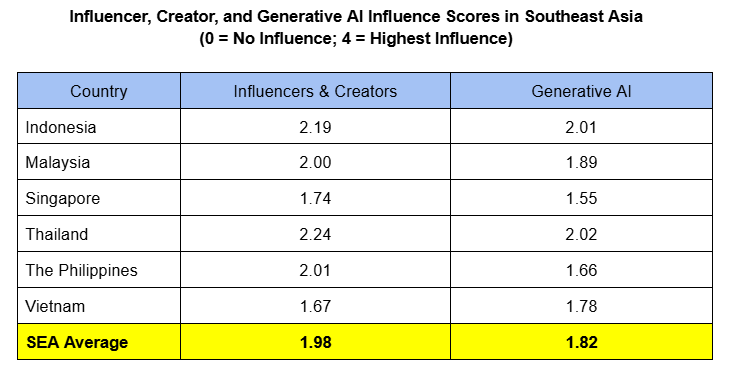
Product Authenticity: Generative AI has a lower influence on purchase decisions, ranking seventh with a score of 1.82 out of 4.00, followed by AI influencers in eighth place.
As a result, generative AI mainly supports the shopping journey by helping consumers understand, compare, and quickly research products, but it does not provide real-life experiences or trusted, personal opinions. Vietnam, Indonesia, and Malaysia have the highest levels of generative AI use.
🤝 Affiliate Marketing Gains Ground
In addition, affiliate marketing is helping drive e-commerce purchases in Southeast Asia, with the following key findings:
Consumer Purchases: 56% of respondents have made purchases through affiliate channels. Of these, 71% bought through product tags on influencer and creator channels, followed by links on cashback sites (41%) and review sites (37%).
Consumer Perception: 33% of consumers trust affiliate links from influencers and creators because of their recommendations. Meanwhile, 30% value genuine and relevant content, while 28% said their views remain unchanged.
Consumer Trust: 43% of respondents said their trust in affiliate links from influencers and creators has remained unchanged over the past 12 months. Meanwhile, 30% trust them more, and 18% trust them much more.
Consumer Sentiment: 49% of respondents said trust and validation encourage them to buy through affiliate links, while 28% value the convenience of discovering products. Others are attracted by special offers and the opportunity to support creators.
In short, consumers are becoming more comfortable with affiliate links as a way for creators to earn money. However, genuine product use and honest recommendations remain important in making affiliate content feel trustworthy rather than overly commercial.
📈 The Impact
The combination of influencer and affiliate marketing is expected to contribute 32% of Southeast Asia’s e-commerce sales in 2026, worth nearly USD 70 billion.
Influencer Marketing: Builds brand awareness and engagement through creator-led promotion. It is projected to account for 8% of sales, worth USD 18 billion.
Affiliate Marketing: Drives sales and conversions through performance-based promotions. It is expected to contribute 18% of sales, worth USD 39 billion.
Combined Marketing: Brings together creator reach and performance-based sales, representing 6% of sales, worth USD 13 billion.
📊 Influence Scores in Southeast Asia
Influence scores vary across the six Southeast Asian countries, with some countries scoring above and others below the Southeast Asian average for influencers, creators, and generative AI.
🇹🇭 Thailand: Leads in consumer trust in influencers, creators, and generative AI, with scores 2.24 and 2.02, above the SEA average in both categories (1.98 and 1.82).
🇸🇬 Singapore: Records the lowest generative AI influence score (1.55) in Southeast Asia. Its influencer and creator influence score (1.74) is also below the SEA average.
🇻🇳 Vietnam: Has the lowest influencer and creator influence score (1.67) in Southeast Asia. It is also the only country where generative AI scores higher than influencers and creators. However, its generative AI influence score (1.78) remains below the SEA average.
🇵🇭 The Philippines: Its generative AI influence score (1.66) is below the SEA average.
In conclusion, human influence remains stronger than generative AI in most Southeast Asian markets, with Thailand showing the highest level of trust, while AI influence remains below the SEA average in several countries.
💻 AI Tools Shaping Shopping in Southeast Asia
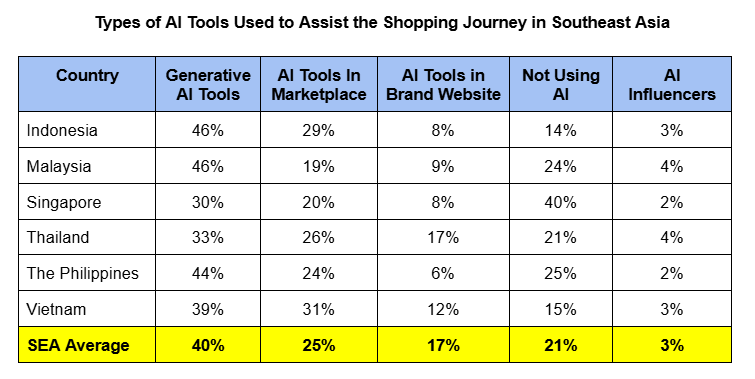
Southeast Asian consumers use a range of AI tools for shopping, including generative AI, built-in AI tools, and AI influencers, while some consumers do not use AI at all.
🇮🇩🇲🇾 Indonesia, Malaysia: Lead the region in the use of generative AI tools (46%) to support shopping on marketplaces.
🇸🇬 Singapore: Records the highest share of consumers who do not use AI tools (40%) for online shopping.
🇹🇭 Thailand: Leads in AI use on official brand and product websites (17%) during the shopping journey.
🇻🇳 Vietnam: Reports the highest use of AI tools on marketplaces (31%) to assist consumers with shopping.
🇵🇭 The Philippines, Singapore: Record the lowest use of AI influencers (2%) for online shopping.
Overall, generative AI use varies across Southeast Asia, with consumers mainly using it to support their shopping journey on marketplaces and official websites, while AI influencers remain less popular.
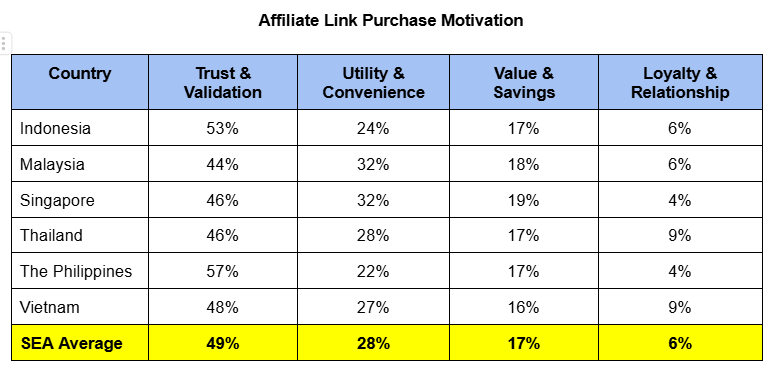
💡 Affiliate Link Purchase Motivations
Southeast Asian consumers use affiliate links for different reasons when shopping on marketplaces, including trust, convenience, value, and loyalty.
🇵🇭 The Philippines: Has the strongest trust- and validation-driven purchases (57%) through affiliate links in Southeast Asia, followed by Indonesia.
🇲🇾🇸🇬 Malaysia, Singapore: Have the highest share of consumers using affiliate links for convenience and utility (32%) during online shopping.
🇸🇬 Singapore: Leads in using affiliate links to get better value and savings (19%) when shopping on marketplaces.
🇹🇭🇻🇳 Thailand, Vietnam: Have the same share of consumers using affiliate links to show loyalty and support (9%) during their online shopping journey.
In short, authenticity matters more than promotion, as consumers value trust, genuine recommendations, convenience, and real value when buying through affiliate links.
📌 The Bottom Line
Generative AI is not just a tool—it is becoming an increasingly important part of the shopping journey, helping consumers discover products, compare options, and research what best fits their needs.
But AI does not replace human recommendations. While AI makes shopping faster and easier, consumers still look to people for trust, authenticity, and real-life product experiences.
In the end, AI may simplify the journey, but human trust helps shape the final choice.
🔍 Need More Angles?
Cube Asia Influencer and Affiliate Marketing in Southeast Asia 2026
DBS Bank Asean E-Commerce Platforms Can Asean be the China of This Decade?
We Are Social Digital 2026 Mid-Year Global Update Report
We Are Social Posts Tagged Southeastern Asia
World Population Review Southeast Asia Population by Country
(NGO/QOB)