



🎯 The Main Takeaway
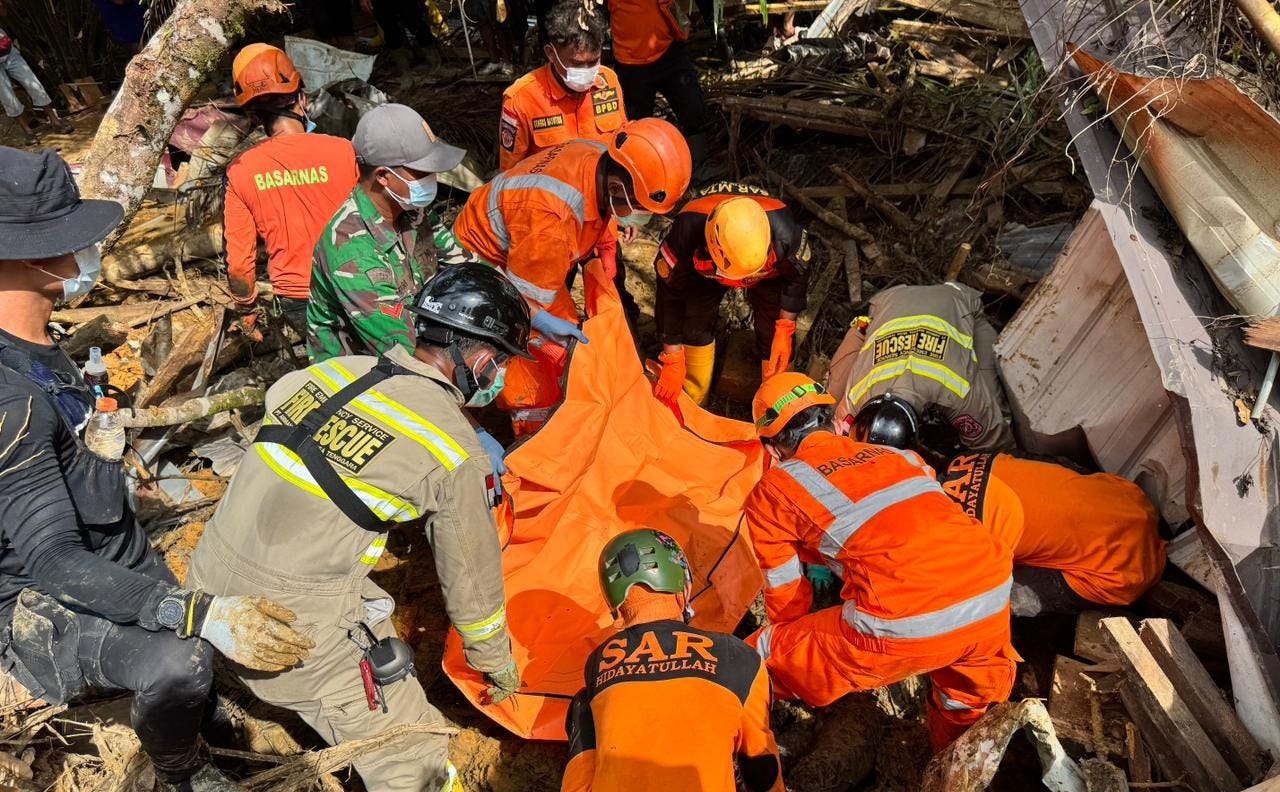
Towards the end of 2025, Southeast Asia is experiencing one of its most severe disaster seasons in recent years, a convergence of cyclones, monsoon surges, and extreme rainfall that has left thousands dead, millions displaced, and children among the hardest hit. Recovery is underway, but the scale of loss shows a region pushed to its limits.
🔑 Why It Matters
Extreme weather is now hitting with overlapping intensity, and speed, leaving little time for communities to recover.
Children are disproportionately affected: more than 4.1 million have had their education disrupted since late November.
The crisis exposes systemic gaps in preparedness, protection, and social safety nets at a time of growing climate and economic pressures.
Southeast Asia’s situation remains unstable, as extreme weather keeps taking the lives of our communities across the region.
🌧️ What’s Happening Now
Experts warn the disasters stem from an unusual convergence of Cyclones Ditwah and Senyar plus a strengthened northeast monsoon.
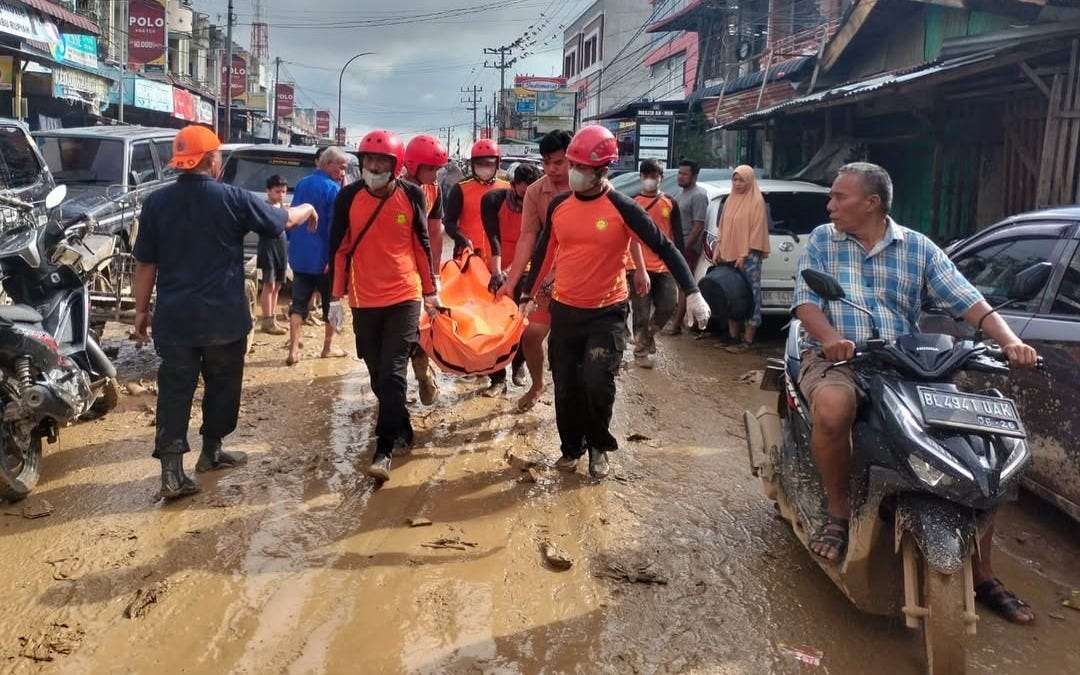
Indonesia: Relentless downpours triggered very deadly floods and landslides across Aceh, North Sumatra, and West Sumatra — and new floods are now emerging in densely populated Java.
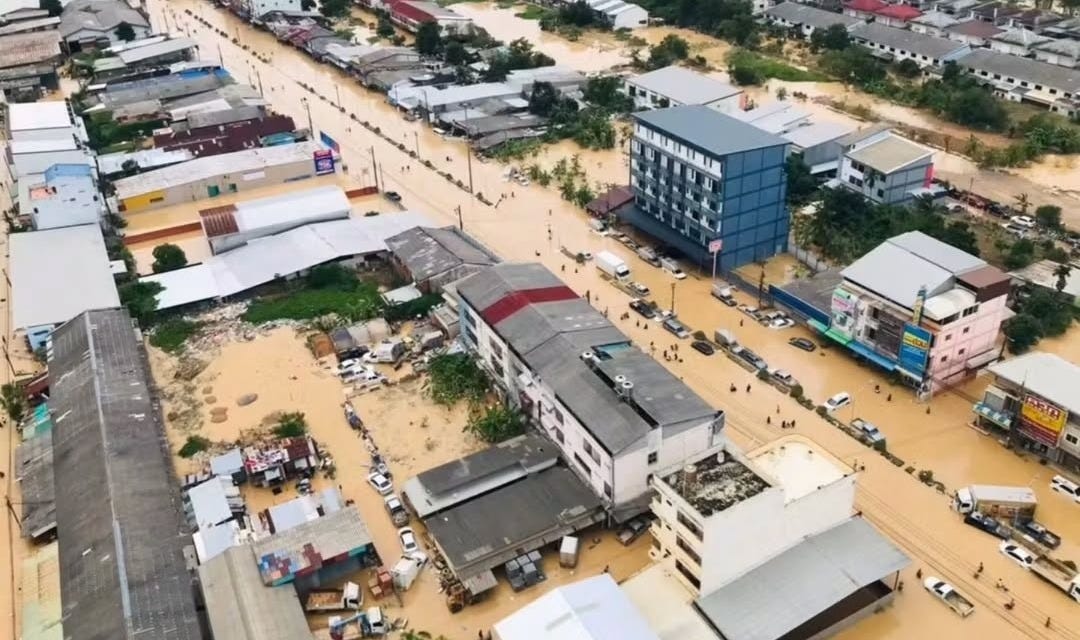
Thailand: Flooding persists in 14 provinces; seawater surges are pushing inland, the Department of Disaster Prevention and Mitigation (DDPM) has placed 23 provinces at risk of coastal flooding.
The Philippines: Tropical Depression Wilma is accelerating toward Eastern Visayas, with landfall expected this Saturday.
Vietnam: Since October, repeated storms have inundated northern and central provinces, causing VNĐ5.3 trillion (US$200M) in losses.
🚨On the Ground
🇮🇩 Indonesia:
New floods reported across Karawang, Bogor, Grobogan, and Jember — showing the disaster curve is widening.
Sumatra disaster zone:
961 deaths, 234 missing, 5,000 injured.
Worst-hit: Agam (179 deaths) and Aceh Tamiang (138 deaths).
52 districts impacted, 156,500 homes damaged, and hundreds of thousands displaced.
🇲🇾 Malaysia:
Flooding persists across eight northern and central states, with several areas still at danger levels.
Perak: 613 evacuees from 174 families remain in seven relief centres.
Selangor: 38 evacuees from 12 families remain.
Conditions are improving, but alerts stay in place as water levels and weather risks remain unstable.
🇹🇭 Thailand:
Flooding still in 14 provinces, affecting 690,449 people.
Travel has been disrupted in Bangkok and the South.
The Jana power plant in Songkhla is undergoing restoration.
🇵🇭 The Philippines:
Tropical Depression Wilma weakened into a low-pressure area, but continuous rains flooded parts of Cebu and triggered landslides that blocked key roads.
Over 8,000 residents evacuated, with 64 evacuation centers across 14 localities now sheltering 2,600+ families.
An additional 94 families (329 people) sought safety outside government facilities as rains persisted.
🏛️ Government and International Response
Indonesia: President Prabowo plans to acquire up to 200 helicopters by 2026 for defense and disaster-response capacity.
Malaysia: Authorities are working to restore mobility and essential services as floods persist across multiple states.
Thailand: Approved 2M baht in immediate support for families of flood victims in Songkhla.
The Philippines: Local authorities are maintaining evacuation shelters, clearing landslide-hit roads, and coordinating relief distribution as rains continue despite Wilma’s downgrade.
Viet Nam: The government is repairing critical infrastructure and reopening priority services after widespread storm damage.
Asian Development Bank (ADB): Announced fast-track grants, US$2M each for Vietnam and Thailand, through the Asia-Pacific Disaster Response Fund (APDRF) to fund emergency relief.
China: Donated 30 million baht (US$940,000) to support rehabilitation in southern Thailand.
United Nations: Signaled readiness to assist governments responding to the region’s cascading disasters.
UN Central Emergency Response Fund (CERF): Allocated $2.6 million for helping Viet Nam.
❤️ People’s Solidarity
Communities across Southeast Asia are stepping up where systems strain.
In Indonesia, a streamer-led fundraiser and a 100-musician charity concert mobilized millions of rupiah for Sumatra’s flood survivors.
Malaysians offered help to Indonesia despite facing their own floods.
Filipinos supported each other through evacuations as landslides hit Cebu.
In Viet Nam, neighbors pooled food and transport for stranded families.
In Thailand, the Faculty of Medicine Chulalongkorn University Foundation donated 306,000 baht to the Thai Red Cross to aid recovery in the South.
This is a reminder that SEA’s solidarity is moving just as swiftly as the water.
⚖️ What’s at Stake
This is a regional stress test where climate extremes collide with governance gaps, inequality, and environmental degradation.
Millions displaced, schools shuttered, and livelihoods wiped out across Indonesia, Vietnam, Malaysia, Thailand, and the Philippines.
Over 4.1 million children across Southeast Asia have had their education disrupted since late November — many now in overcrowded shelters, exposed to illness, malnutrition, and protection risks.
Recovery will require long-term investment, not just emergency aid.
Region-wide, transport, aquaculture, agriculture, and essential services remain disrupted, from Sumatra’s destroyed districts to Vietnam’s US$200M aquaculture losses.
ASEAN is being forced to confront a hard question: Can the region build resilience fast enough to withstand the next shock?
📢 Demands from the Ground
Communities, civil society, and NGOs are pushing for clearer protections and accountability, not just relief.
Legal & Policy Demands
Stronger binding protections for people in disasters, the demand central to ongoing negotiations for the Treaty on the Protection of Persons in the Event of Disasters (PPED).
Environmental Demands
Indonesian people & environmental groups call for firmer action on deforestation and land-use change, warning that flood-prone regions like Sumatra “can no longer absorb rainfall the way natural forests once did.”
Regional NGOs urge stricter limits on coastal development, better watershed management, and climate-resilient urban planning.
People’s Immediate Demands
Faster aid delivery, clearer evacuation protocols, and dedicated protection for children and elderly evacuees.
Community groups emphasize the need for safe shelters, stable food supply, rapid reopening of schools, and permanent relocation plans for high-risk zones.
The Bottom Line 🤝
The storms may pass, but the vulnerabilities remain.
Southeast Asia’s recovery hinges on more than emergency aid: political will, long-term climate adaptation, and stronger protections for people will decide whether the region rebuilds stronger or stays exposed to the next storm.
Need More Angles?
Al Jazeera Heavy rains hamper recovery as death toll from floods in Asia exceeds 1,750
Bernama Floods: Perak, Selangor See Further Drop in Evacuees This Morning
IFRC Severe flooding across Asia: millions affected – urgent humanitarian response underway
Philippine News Agency Wilma accelerates, to make landfall over E. Visayas Saturday
Tempo English BNPB: 975,000 People Displaced by Sumatra Floods as Death Toll Reaches 921
The Star Wilma weakens into low-pressure area; 8K+ evacuees, landslides reported in Cebu, Philippines
UN News Deadly storms sweep South and Southeast Asia, leaving over 1,600 dead