



🎯 The Main Takeaway
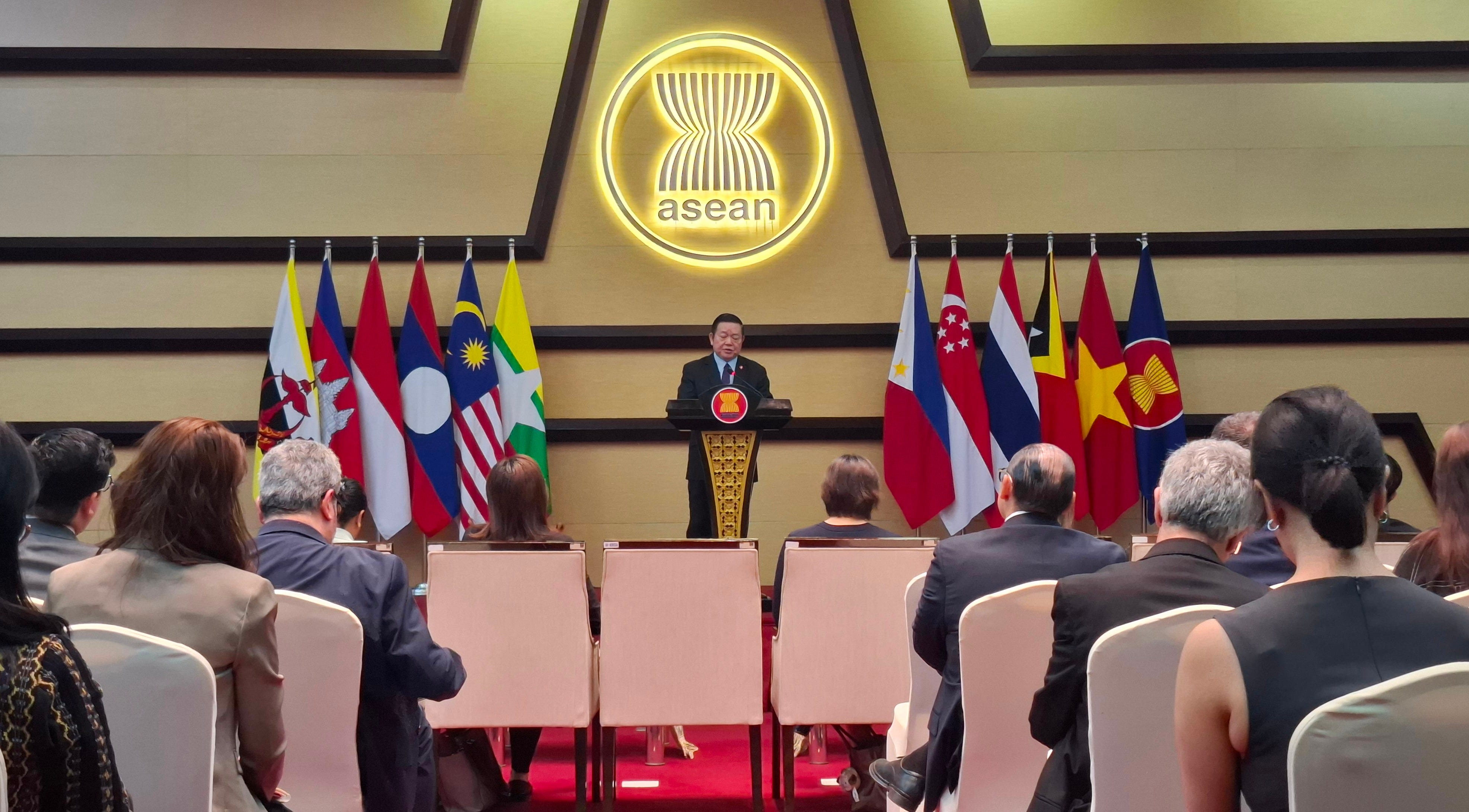
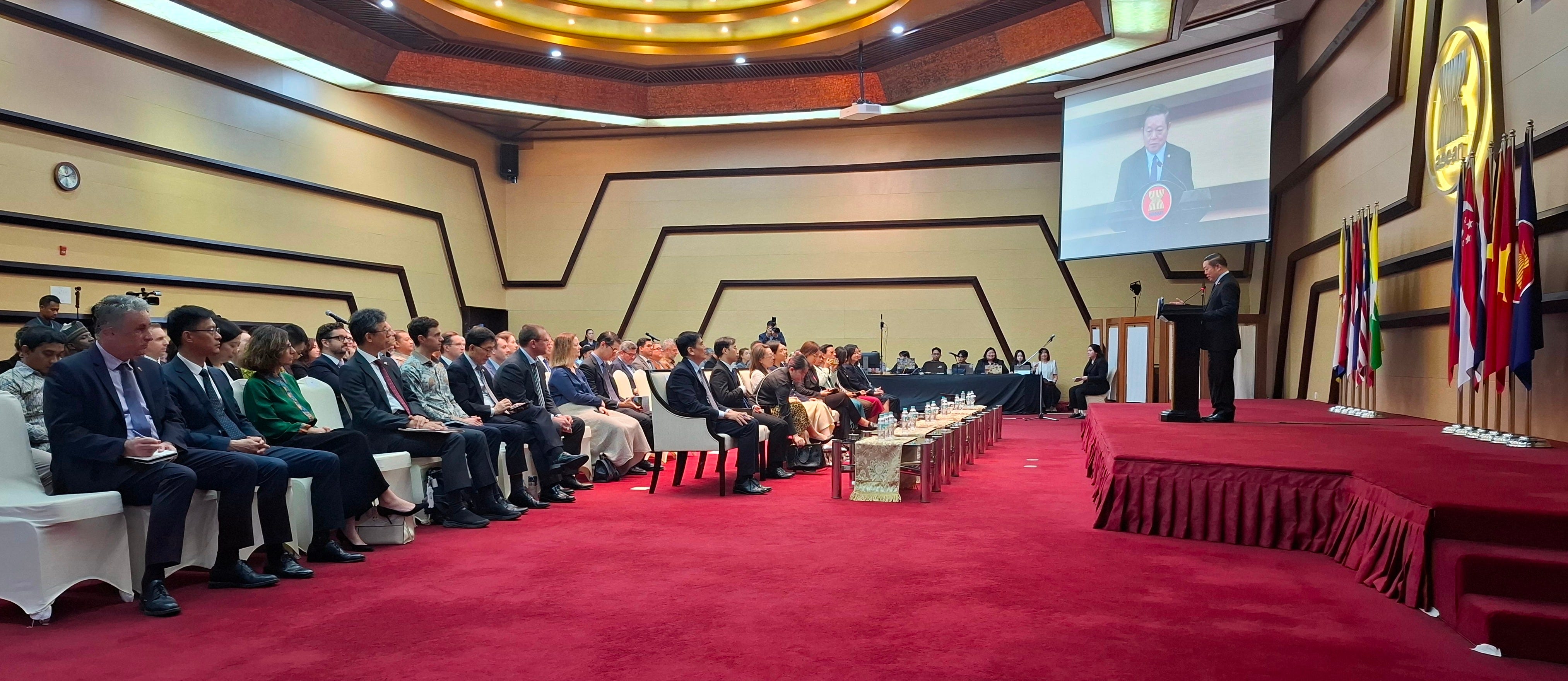
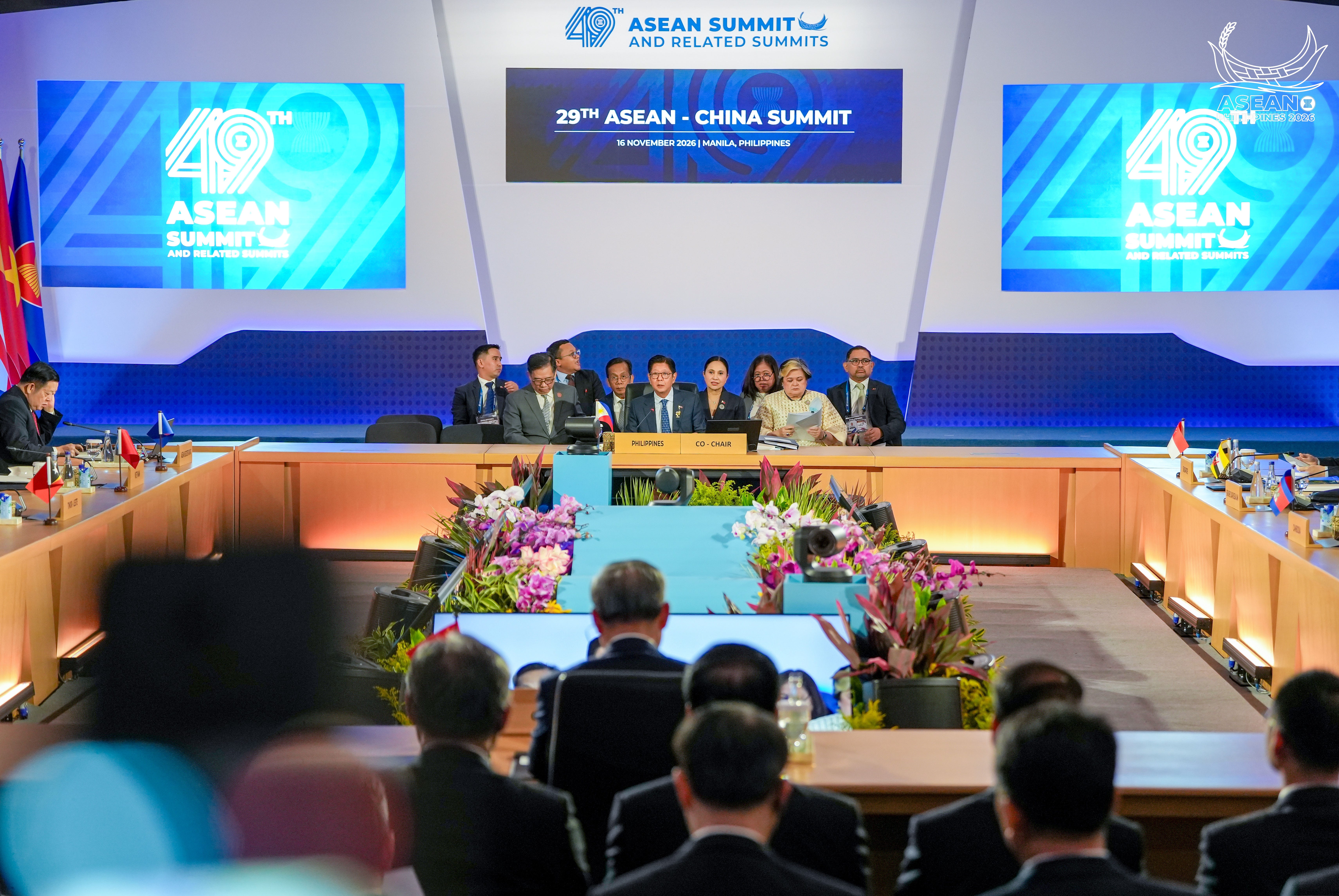
The Philippines, as ASEAN Chair for 2026, hosted the 49th ASEAN Summit and related meetings at the Philippine International Convention Center in Metro Manila from 15 to 17 November 2026.
Over three days, leaders from ASEAN member states met with fellow members, dialogue partners and external partners to discuss regional and global issues affecting Southeast Asia and its people.
Under the theme “Navigating Our Future, Together”, the Philippines aimed to reaffirm ASEAN’s commitment to unity, clarity and purpose.
The chairmanship also sought to build a more resilient and connected region, drive meaningful change that puts people at the centre of progress, and strengthen cooperation with regional and global partners.
📡 Why It’s on Our Radar
ASEAN leaders addressed several key regional challenges that could affect Southeast Asia’s security, economy and people:
Transboundary Haze: Forest fires in Indonesia often cause severe haze during the August–September dry season, with smoke spreading to neighbouring countries, particularly Malaysia and Singapore. The recurring problem highlights the need for stronger regional cooperation on environmental protection.
South China Sea Dispute: Territorial and maritime disputes in the South China Sea have continued since the 1970s, involving China, Taiwan, the Philippines, Vietnam, Malaysia and Brunei Darussalam. The disputes remain a major challenge to regional peace, stability and maritime security.
Online Scams: Online scam operations have expanded across Southeast Asia, with major centres reported in Cambodia, Laos and Myanmar. These criminal networks are also linked to human trafficking and other illegal activities, posing growing threats to regional security, economies and societies.
⚠️ As a Result...
These regional challenges have caused significant environmental, health, security and economic consequences across Southeast Asia:
Forest and Land Loss: According to Nusantara Atlas, Indonesia lost around 1.6 million hectares of forest and land in August and September alone. Total loss reached about 1.92 million hectares from January to September, mainly across Sumatra, Kalimantan, and Papua.
Respiratory Diseases: According to Indonesia’s Ministry of Health, more than 400,000 cases of acute respiratory infections (ISPA) were reported by November. In Malaysia and Singapore, authorities also temporarily restricted outdoor activities, particularly at schools, to reduce haze-related health risks.
Ongoing Territorial Tensions: Despite decades of negotiations and diplomatic efforts, the South China Sea dispute remains unresolved. Previous initiatives include the 1982 UNCLOS, the 1992 ASEAN Declaration on the South China Sea, and the 2002 Declaration on the Conduct of Parties in the South China Sea. Meanwhile, tensions and minor confrontations between China and the Philippines have continued.
Financial Losses: Online scams and fraud have caused massive financial losses across Southeast Asia, reaching an estimated USD 23.6 billion in 2024 and USD 114.1 billion in 2025. Rapid technological development, particularly artificial intelligence (AI), has further increased the challenges of detecting and preventing these crimes.
Human Trafficking: According to the International Organization for Migration (IOM), more than 300,000 people from over 80 countries were estimated to have been trafficked and forced to work in online scam operations across Southeast Asia in 2025.
🤝 Additionally...
ASEAN has also established several long-term initiatives to strengthen regional cooperation, expand international partnerships and promote regional stability:
ASEAN External Relations: ASEAN has developed dialogue partnerships with 12 countries since 1974, alongside sectoral and development partnerships with 15 other partners as of 2026. These partnerships aim to expand cooperation beyond Southeast Asia and address shared regional and global challenges.
Treaty of Amity and Cooperation (TAC): Signed in 1976, the treaty marks its 50th anniversary in 2026. By 2026, 65 countries had acceded to the TAC as High Contracting Parties, reaffirming their commitment to peaceful relations, mutual respect, and cooperation.
📰 The Big Picture
During the three-day summit, dozens of meetings took place, including the ASEAN Leaders’ Summit, Leaders’ Retreat, ASEAN+1 meetings with external partners, the ASEAN+3 Summit, the East Asia Summit and bilateral meetings between ASEAN member states and their partners.
By the end of the event, the Secretariat produced 117 documents. These included 85 outcome documents adopted or noted by ASEAN leaders and another 32 documents adopted or noted at individual ASEAN summits with external partners.
Some of the key outcomes included:
🔥 Solving Transboundary Haze
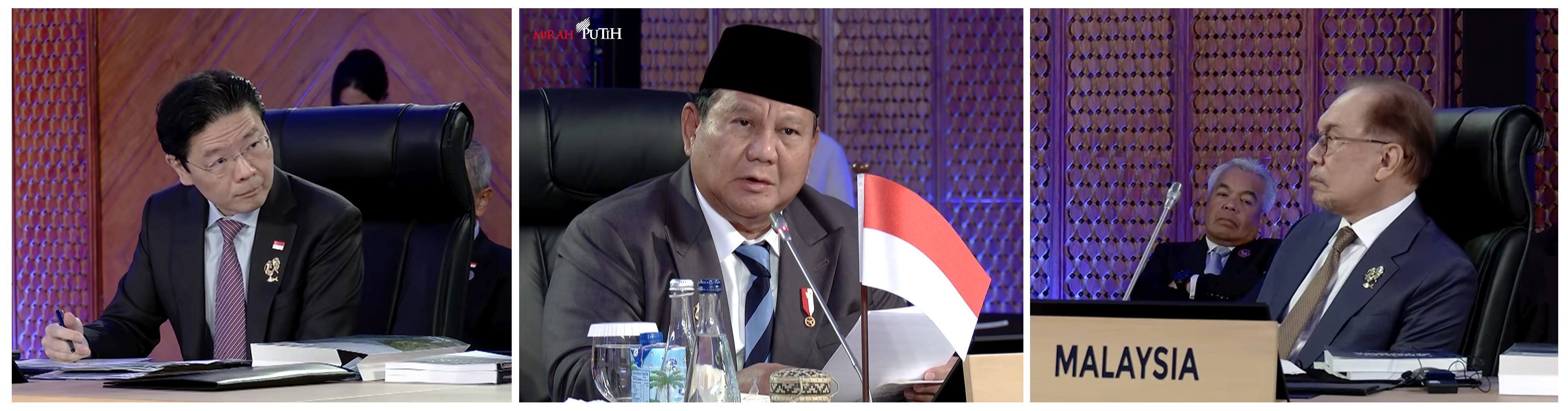
During the plenary session on Sunday (15/11), Indonesian President Prabowo Subianto apologised to Malaysia and Singapore for the transboundary haze caused by forest and land fires in Indonesia over the previous four months. Prabowo attributed the fires to an El Niño event, which he described as the harshest in 50 years.
He said the government had deployed 71,000 forest firefighters to extinguish the fires and bring the situation under control. The Indonesian government also took strict action against companies suspected of contributing to the fires.
It revoked 17 corporate concessions, while 26 companies remained under investigation, 11 had been indicted, and another 23 were listed for potential prosecution. In total, police were investigating 104 companies.
“I would like to apologize to my neighboring countries, Malaysia and Singapore, when we had a very big forest fire which took nearly four months for us to control. The haze traveled to Malaysia and to Singapore. It is not our fault, but once again, we apologize. We have done our best, and my government is determined to start decisive programs to prevent the fire rather than wait for a fire and mitigate it.” - Prabowo Subianto, Indonesian President.
As a follow-up, ASEAN Secretary-General Kao Kim Hourn announced on Wednesday (18/11) that the bloc was preparing to establish the ASEAN Coordinating Centre for Transboundary Haze Pollution Control in Indonesia.
The centre’s establishment requires six ASEAN member states to ratify the agreement before it can take effect. So far, Vietnam, Singapore and Malaysia have ratified the document, leaving three more ratifications needed.
“It’s a regional issue that we need to tackle and to enhance our cooperation, which is very important for us. And that’s why we agreed to set up the center.” - Kao Kim Hourn, ASEAN Secretary General.
Leaders of the remaining ASEAN member states committed to accelerating the ratification process, recognising the importance of addressing transboundary haze and making the centre operational as soon as possible.
Kao also highlighted that forest fires and haze were no longer concerns limited to maritime Southeast Asia, as mainland ASEAN countries also faced similar risks during the dry season.
“Because now it’s not just a matter of issue of ASEAN member states that are maritime nations, but of course it’s also an issue that also in the mainland ASEAN as well, because in the mainland ASEAN we have the dry seasons coming up. So again, the potential issue of having forest fire and haze is there.” - Kao Kim Hourn, ASEAN Secretary General.
Previously, on Tuesday (27/10), Indonesian Foreign Affairs Minister Arrmanatha Nasir and his Singaporean counterpart, Vivian Balakrishnan, agreed to establish a joint task force to tackle transboundary haze and its regional impact.
The task force will focus on information sharing, financial intelligence, cross-border evidence collection and investigations into corporate financial flows allegedly linked to the haze.
It will also strengthen law enforcement against companies involved in forest and land fires, hold them accountable for violations and prepare future measures to restore fire-affected areas.
Additionally, Singapore’s National Environment Agency (NEA) issued legal notices on Monday (26/10) to 10 Singaporean companies operating in the palm oil, pulp and paper industries.
The companies were asked to provide information about their possible links to the transboundary haze.
🌳 ASEAN One Billion Trees Growing Initiative
On 15 November 2026, ASEAN adopted the ASEAN One Billion Trees Growing Initiative in Manila, the Philippines, to promote forest restoration, biodiversity conservation and sustainable forest management across the region.
The initiative aims to expand tree-planting programmes, restore degraded forests, mangroves, peatlands and watersheds, and protect primary forests using native and climate-resilient tree species.
ASEAN will also strengthen forest management through research, knowledge sharing and digital technology to monitor forest conditions.
The initiative will promote partnerships with international organisations, financial institutions, businesses and NGOs to mobilise funding and support long-term forest conservation, climate resilience and local communities’ livelihoods.
🌊 South China Sea Code of Conduct Delayed
According to ASEAN Secretary-General Kao Kim Hourn, negotiations between ASEAN and China on the South China Sea Code of Conduct (COC) have continued to make progress, with more than 80% of the work reportedly completed.
Both sides reaffirmed their commitment to managing differences, maintaining regional stability, continuing to implement the Declaration on the Conduct of Parties in the South China Sea (DOC) and finalising the COC as soon as possible.
The target is to complete the negotiations next year, during Singapore’s ASEAN Chairmanship in 2027.
“Usually the last mile is always the most difficult one. So I would say that we will have the team from the ASEAN side and the China with zero in the remaining issues.” - Kao Kim Hourn, ASEAN Secretary General.
Kao urged both parties to maintain negotiation momentum, narrow their differences, and turn ongoing discussions into concrete agreements.
Moving forward, ASEAN and Chinese working groups are expected to intensify negotiations, with senior officials also providing guidance to help resolve the remaining issues.
“I think both sides can see that both sides have commitment to get the COC in place. Okay. there’s still a lot of optimism to get it done. But again, we need to come down on agreement on the remaining sticking issues.” - Kao Kim Hourn, ASEAN Secretary General.
On the other side, ASEAN leaders reaffirmed the importance of maintaining peace, security and stability in the South China Sea.
They also stressed the need to uphold freedom of navigation, overflight and resolve disputes peacefully in accordance with international law, particularly the 1982 United Nations Convention on the Law of the Sea (UNCLOS).
Kao also emphasised that reaching an agreement should not be the only priority. The final COC must meaningfully contribute to long-term regional peace and stability.
“Maintaining the momentum of the negotiations is important, equal emphasis must be placed on ensuring that the eventual COC can, in fact, contribute meaningfully to lasting peace and stability in the South China Sea.“ - Kao Kim Hourn, ASEAN Secretary General.
🚨 Combating Online Scams
The issue was addressed at both the ASEAN-U.S. Meeting and the East Asia Summit, with different outcomes.
ASEAN and the United States adopted the 10 Public-Private Partnership Principles for Tackling Online Scams on 17 November, focusing on stronger regional cooperation, law enforcement and public-private partnerships.
The initiative also aims to disrupt criminal networks, improve financial monitoring, raise public awareness and use technology to prevent online scams while protecting victims.
At the East Asia Summit (EAS), ASEAN and eight partner countries reaffirmed their commitment to combating online scams through stronger cross-border law enforcement, information sharing and financial crime prevention.
Both sides also highlighted the importance of digital security, consumer protection, public education, law enforcement training and cooperation with the private sector to dismantle scam networks.
💻 ASEAN Digital Economy Framework Agreement (DEFA)
ASEAN member states signed the ASEAN Digital Economy Framework Agreement (DEFA) on Saturday (14/11), marking an important step towards deeper digital economic integration and strengthening the ASEAN Economic Community.
The agreement follows an initiative Indonesia launched during its ASEAN Chairmanship in 2023 to establish a regional framework for digital economy cooperation. Negotiations officially began in September 2023 and were completed in May 2026.
After the negotiations concluded, ASEAN member states conducted legal reviews before signing the agreement ahead of the 49th ASEAN Summit. Each country will then have 180 days to complete its domestic ratification process before the agreement officially enters into force and is implemented.
“So I think we are very much looking forward to the actual implementation. But during the meantime, we will start the legal, we will start the domestic ratification, we also will work on the implementation plan to implement this important DFA agreement.” - Kao Kim Hourn, ASEAN Secretary General.
The signing of DEFA marks a significant milestone for Southeast Asia’s digital economy, valued at approximately USD 305 billion in 2025 and projected to reach USD 2 trillion by 2030.
DEFA is expected to support this growth by creating a more integrated digital ecosystem across ASEAN member states.
It aims to deliver tangible benefits for businesses, create better employment opportunities, empower young people and strengthen Southeast Asia’s position in the global economy.
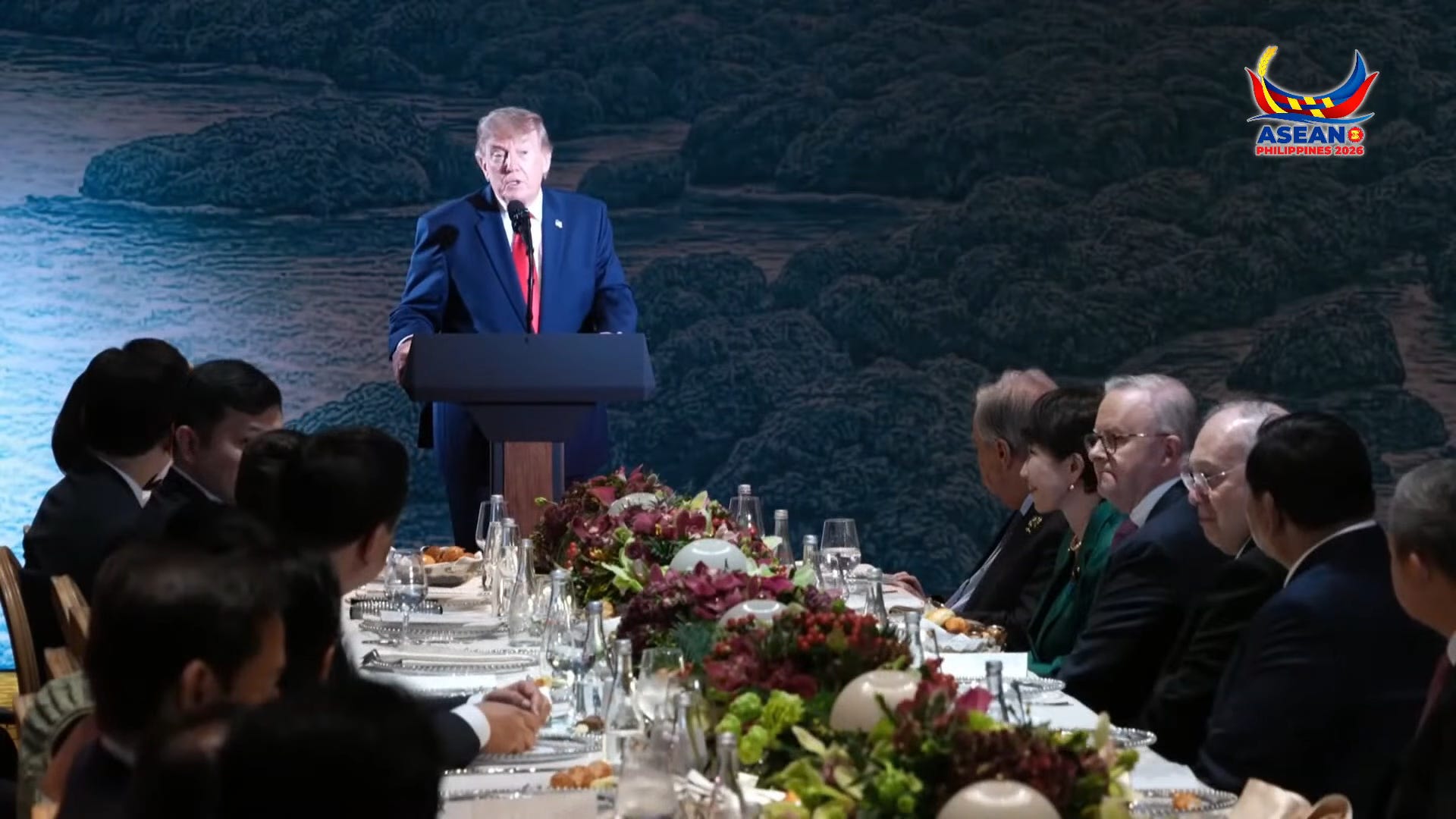
🧲 Trump Seeks Critical Minerals and Magnet Cooperation
US President Donald Trump urged ASEAN member states to increase the exploration and production of critical minerals, particularly rare earth materials used to manufacture magnets. He made the remarks during the ASEAN–US Special Summit dinner reception on Tuesday (17/11) in Manila, the Philippines.
According to Trump, the United States needs a more reliable supply of magnets as it remains heavily dependent on imports from China. Washington is therefore seeking to diversify its sources of critical minerals and magnets to meet domestic demand, particularly from the electronics industry.
In 2025, the United States consumed about 48,000 tonnes of magnets but produced only 300 tonnes domestically. It also imported around 10,000 tonnes of magnets from China to support its supply needs.
“We’ve made many other vital agreements across the region, spanning energy, critical minerals, and technology. And I hope you’re going to be working very hard on critical minerals, rare earths, and magnets. If you don’t mind, get magnets. Somebody at the table is going to say, I’m going to listen to him, and you’re going to make a lot of money. We want magnets.” - Donald Trump, The U.S. President.
Responding to Trump’s proposal, ASEAN Secretary-General Kao Kim Hourn said on Wednesday (18/11) that ASEAN was open to cooperation with the United States on critical minerals and magnet production. However, decisions on potential partnerships would remain with individual ASEAN member states.
The United States is already one of ASEAN’s dialogue partners and holds Comprehensive Strategic Partnership status, reflecting its high-level relationship with the regional bloc.
“It’s normal that we have this expression of interest or collaboration. And I don’t see that ASEAN would say no. But of course, again, it’s actually up to the ASEAN member states to work it out, because it is in our interest to continue our policy of engagement with all our external partners.” - Kao Kim Hourn, ASEAN Secretary General.
ASEAN has also established its own long-term framework to strengthen regional cooperation in the minerals sector.
During the 47th ASEAN Summit in Kuala Lumpur, Malaysia, on 26 October 2025, ASEAN leaders adopted the ASEAN Minerals Development Vision (AMDV) 2045.
The bloc also adopted the ASEAN Minerals Cooperation Action Plan (AMCAP-IV) 2026–2030 during the 10th ASEAN Ministerial Meeting on Minerals in Laos on 2 October 2025.
Both initiatives aim to position Southeast Asia as a leading destination for sustainable minerals investment, including critical minerals, while strengthening supply chains, supporting digital transformation and accelerating decarbonisation.
🏥 ASEAN Centre for Public Health Emergencies and Emerging Diseases (ACPHEED)
The establishment of the ASEAN Centre for Public Health Emergencies and Emerging Diseases (ACPHEED) was initiated by ASEAN leaders on 12 November 2020 during the 37th ASEAN Summit in Hanoi, Vietnam.
Japan supported the initiative and committed to funding a feasibility study through the Japan-ASEAN Integration Fund (JAIF).
Following the initiative, ASEAN member states held the 15th ASEAN Health Ministers Meeting from 11 to 15 May 2022 in Bali, Indonesia. During the meeting, member states agreed to distribute ACPHEED’s responsibilities across three host countries:
Indonesia – Detection and Risk Assessment: Responsible for identifying potential public health threats and assessing emerging health risks.
Thailand – Secretariat, Response and Risk Communication: Responsible for coordinating the centre’s operations, managing emergency responses and communicating public health risks.
Vietnam – Prevention and Preparedness: Responsible for strengthening disease prevention measures and preparing for potential public health emergencies.
Ahead of the 49th ASEAN Summit, Thailand’s Cabinet approved the draft ACPHEED agreement on 10 November 2026 and authorised its Public Health Minister to sign the document.
However, the draft agreement remains under negotiation and has not yet been finalised or signed.
ASEAN leaders continue to push to complete the agreement to ensure ACPHEED becomes fully operational as soon as possible and strengthens the region’s preparedness for future pandemics and emerging diseases.
“Because I think we’re looking to make sure that the ASEAN is ready for any potential new pandemic in the future. That’s why the three centres have been set up and we need to operationalize them as soon as possible.” - Kao Kim Hourn, ASEAN Secretary General.
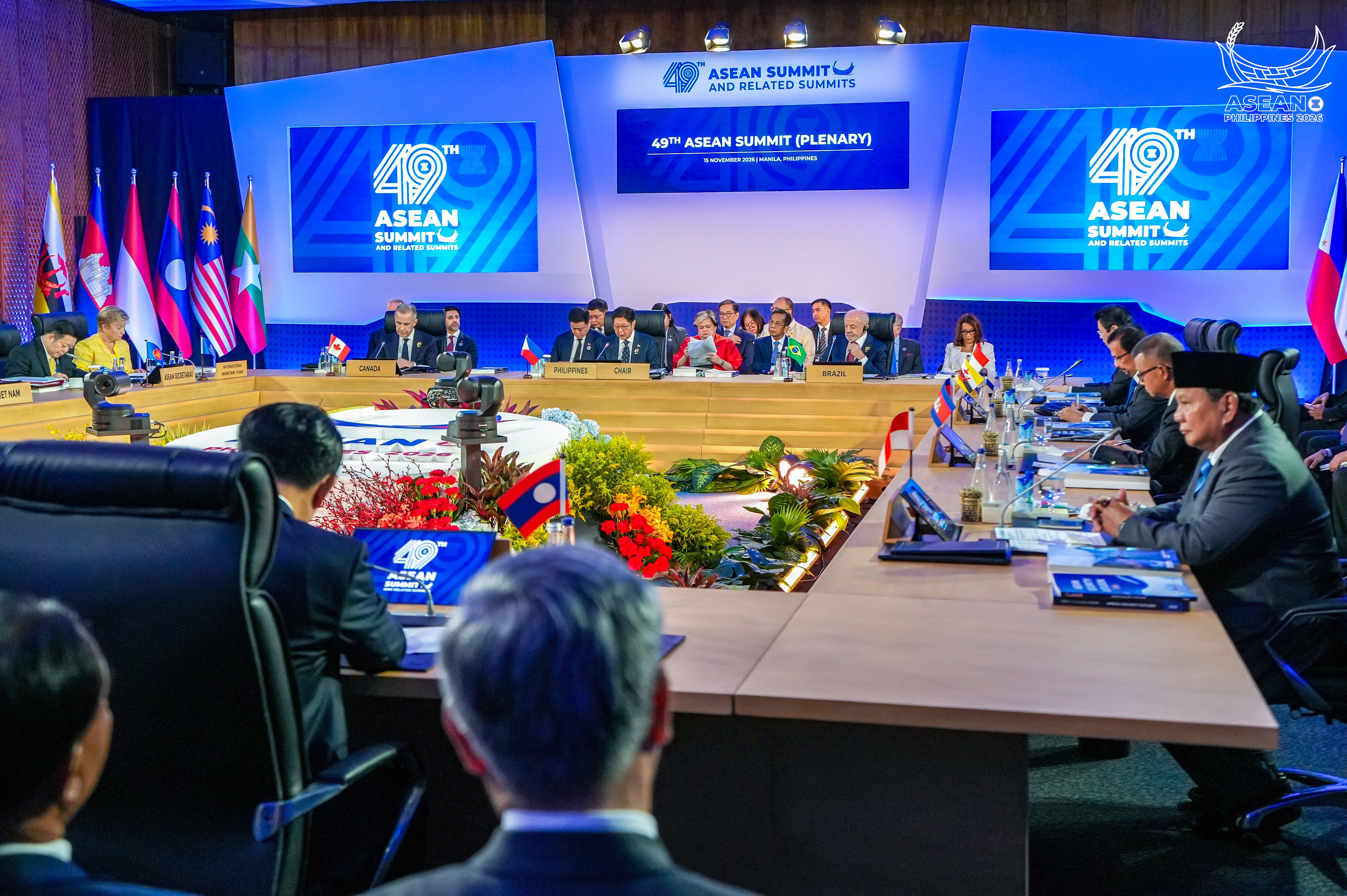
🤖 Promoting AI-Powered Growth for MSMEs
ASEAN has over 70 million micro, small and medium-sized enterprises (MSMEs) across its 11 member states, contributing around 85% of employment and 44.8% of regional GDP.
However, many MSMEs face challenges in adopting artificial intelligence (AI) due to limited awareness, digital skills, infrastructure and access to affordable technology.
To address these gaps, ASEAN leaders adopted the ASEAN Leaders’ Declaration on AI-Powered MSME Growth to make AI more accessible and support inclusive economic growth.
The declaration focuses on five priorities: assessing MSMEs’ readiness and providing affordable AI tools, improving AI literacy, expanding access for women-led and underserved businesses, strengthening responsible AI governance, and promoting digital cooperation.
These efforts aim to help MSMEs adopt AI safely, improve business capabilities and participate more actively in ASEAN’s digital economy.
🚀 Advancing Regional Space Technology and Cooperation
ASEAN adopted the ASEAN Plan of Action on Science, Technology and Innovation (APASTI) 2026–2035 during the 21st ASEAN Ministerial Meeting on Science, Technology and Innovation (AMMSTI-21) in Jakarta, Indonesia, on 20 June 2025.
The plan aims to strengthen regional competitiveness, economic integration and innovation by harnessing advances in science and technology, including space technology.
ASEAN leaders agreed to strengthen regional space capabilities through six priorities: expanding international partnerships, promoting sustainable space activities, developing regional space infrastructure, advancing technology and knowledge sharing, strengthening space governance, and establishing an ASEAN Space Cooperation Roadmap.
These efforts aim to promote peaceful and responsible space activities while improving regional capacity to collect and use space data.
👨👩👧👦 ASEAN + 3 Meetings
Strengthening Maritime Trade, Logistics and Supply Chain Connectivity
ASEAN+3 aims to strengthen regional trade and maritime connectivity by improving ports, shipping, logistics and transport networks while supporting a free and rules-based global trading system under the World Trade Organization (WTO).
Cooperation will focus on building resilient supply chains, improving food transportation and storage, accelerating digital trade, promoting low-carbon maritime transport and developing skills in port operations and logistics.
Enhancing Regional Energy and Food Security
ASEAN+3 also aims to protect regional energy and food supplies from external shocks and supply chain disruptions through stronger cooperation and diversified supply sources.
Key priorities include maintaining essential supplies, improving emergency food reserves, strengthening agricultural and fisheries cooperation, and promoting climate-resilient farming.
Both sides will also advance renewable energy, energy efficiency and cross-border electricity trade through initiatives such as the ASEAN Power Grid.
🧑🤝🧑 ASEAN+1 Meetings
ASEAN leaders also held a series of meetings with dialogue partners beyond the United States, resulting in new agreements and commitments to strengthen regional cooperation across trade, investment, the environment, technology and security.
🇨🇦 Canada: ASEAN–Canada Free Trade Agreement
ASEAN and Canada concluded negotiations on their Free Trade Agreement (FTA), with both sides working to finalise the remaining technical details before signing. Once completed, it will become ASEAN’s first free trade agreement with a North American partner.
The agreement aims to expand trade and investment, strengthen regional supply chains and create a more transparent and predictable business environment amid global economic and technological changes.
🇨🇳 China: Forestry and Environmental Cooperation
ASEAN and China agreed to strengthen cooperation in forest conservation, ecosystem restoration, biodiversity protection, sustainable forestry and forest-based industries.
Both sides will also promote the use of artificial intelligence (AI), satellite monitoring and digital technologies to improve forest management and prevent forest fires.
Further cooperation will focus on investment, research, knowledge-sharing and community participation.
China will also support the ASEAN One Billion Trees Growing Initiative through technical assistance, training and joint forest restoration efforts.
🇦🇺 Australia: Comprehensive Strategic Partnership
ASEAN and Australia agreed to deepen their Comprehensive Strategic Partnership through greater cooperation in trade, investment, digital technology, artificial intelligence, energy security and climate action.
Both sides will strengthen regional supply chains, promote renewable energy, expand digital connectivity and support economic integration.
Other priorities include regional peace and security, maritime cooperation, food security, disaster management and migrant worker protection.
They will also expand education and cultural exchanges, support micro, small and medium-sized enterprises (MSMEs), narrow development gaps and promote inclusive and sustainable growth across Southeast Asia.
🇯🇵 Japan: Economic Resilience, Energy and Food Security, Digital Transformation, AI and Innovation
ASEAN and Japan agreed to strengthen economic resilience by securing energy and food supplies, improving supply chains and expanding regional connectivity.
Their cooperation will focus on renewable energy, the ASEAN Power Grid, sustainable agriculture, critical minerals, infrastructure investment and trade. Both sides will also support education and skills development to prepare workers for future industries.
In addition, they will advance digital transformation, AI and technological innovation through research, investment and knowledge-sharing.
Key priorities include developing safe and responsible AI, strengthening cybersecurity and data protection, improving digital infrastructure and expanding cooperation in semiconductors, advanced manufacturing and next-generation communications technology.
🇮🇳 India: Strengthening Disaster Management Cooperation
ASEAN and India aim to strengthen disaster management cooperation through regular consultations, information-sharing and improved early warning systems for earthquakes, tsunamis, floods, cyclones and landslides.
Both sides will enhance regional preparedness through joint training, simulation exercises, rapid humanitarian assistance and exchanges of disaster response personnel.
Further cooperation will cover disaster recovery, resilient infrastructure and the use of technology, including artificial intelligence and satellite data, to improve risk assessments and emergency responses.
They will also promote capacity-building, technical exchanges and inclusive recovery efforts, with relevant ASEAN and Indian agencies monitoring progress through existing cooperation mechanisms.
🏡 Why This Hits Home?
ASEAN is home to nearly 700 million people (8.4% of the global population), making it the third-most populous region.
GDP: USD 3.9 trillion (fifth-largest economy; 3.5% of global GDP).
FDI: USD 226 billion attracted.
Trade: USD 3.8 trillion total (USD 1.95 trillion exports; USD 1.89 trillion imports)
📌 The Bottom Line
The 49th ASEAN Summit was more than a diplomatic gathering.
It was a regional effort to address shared challenges and shape Southeast Asia’s future.
From transboundary haze and territorial disputes to online scams and human trafficking, ASEAN leaders faced problems that crossed borders and affected millions of people.
The summit was not simply about discussing problems; it was about finding practical solutions.
From Indonesia’s efforts to tackle forest fires and ASEAN’s One Billion Trees Initiative to negotiations on the South China Sea Code of Conduct, leaders sought to balance environmental protection, regional security and political stability.
Beyond traditional security concerns, ASEAN also focused on economic and technological growth. Initiatives such as the Digital Economy Framework Agreement (DEFA), AI support for MSMEs, critical minerals and space technology showed how the bloc aims to prepare for new opportunities and future challenges.
While ASEAN focused on strengthening ties among its 11 member states, it also looked beyond the region.
Cooperation with the United States, China, Japan, Australia, India and Canada showed that Southeast Asia’s future depends on both regional unity and global partnerships. The goal is to turn these relationships into shared benefits for nearly 700 million people.
🔎 Need More Angles?
Al Jazeera, Despite US Push, China Poised to Dominate Rare Earths for Years
ASEAN Foundation, Building Digital Confidence and Community Resilience Across ASEAN
ASEAN Secretariat, About the ASEAN 2026 Philippine Chairship
ASEAN Secretariat, External Relations Overview
ASEAN Secretariat, Outcome Documents
Data Indonesia, Infografik: Kasus ISPA Terdampak Karhutla
Nusantara Atlas, Indonesia's 2026 Fire Season
OilPrice, America Produces Less Than 1% of the Rare Earth Magnets It Needs
UN International Organization for Migration, Key Facts: Human Trafficking into Online Scam Operations
U.S. federal legislative information, Online Scam Centers in Southeast Asia: Background and U.S. Responses
YouTube, ASEAN Philippines 2026
(NGO/QOB)