



🌊 Main Takeaway
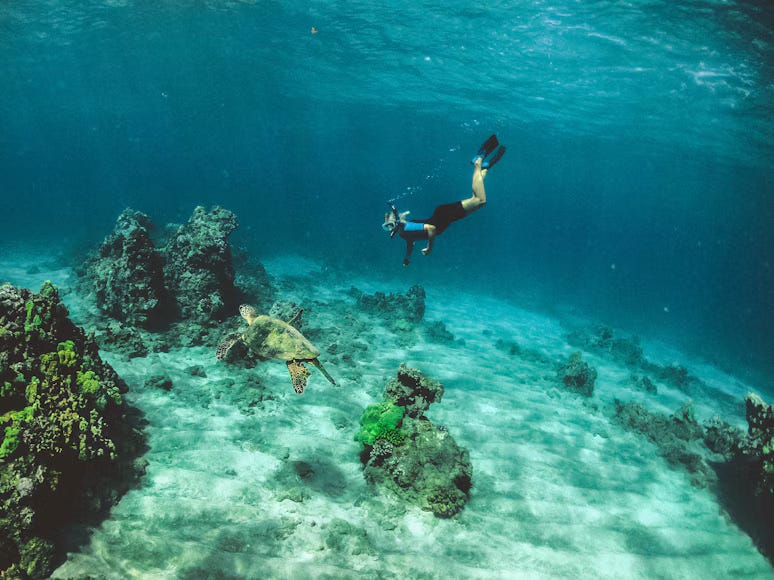
Southeast Asia’s waters offer world-class marine encounters that require zero dive certification. With just a mask, snorkel, and fins, you can swim with manta rays, sea turtles, sharks, and millions of sardines in shallow, accessible habitats.
What makes this theme unusual is that none of these encounters needs a dive certificate. Snorkelling here is not only about clear water and pretty scenery. It’s a chance to get to know marine species and their habitats more closely.
🔍 Why It’s on Our Radar
Accessible wildlife:
Skip the heavy scuba gear. These shallow reef encounters prioritise accessibility.
Diverse ecosystems:
Four countries offer four distinct experiences—from swirling bait balls to graceful rays.
Authentic encounters:
These are wild, unpredictable animals, not captive attractions. Sightings rely on seasons, tides, and luck.
🐠 Four Marine-Life Encounters Worth Discovering
🪽 Nusa Penida, Indonesia – Manta Rays
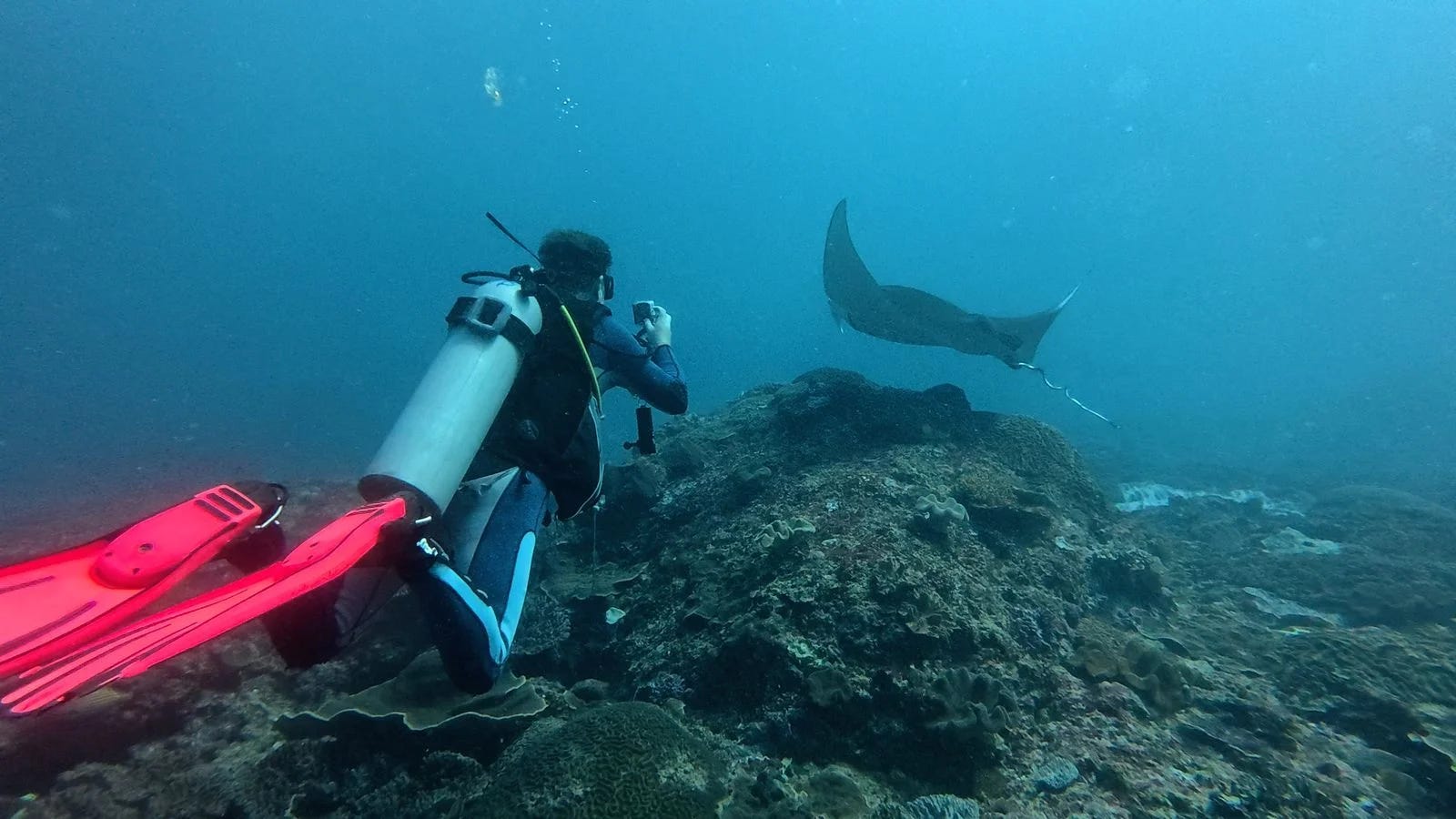
Nusa Penida is one of Southeast Asia’s premier destinations for manta ray encounters. Reef mantas boasting wingspans of up to four metres frequent these waters year-round.
At Manta Point and Manta Bay, snorkellers can watch them glide past or circle “cleaning stations” while smaller fish strip parasites from their skin. For diverse reef topography, nearby Crystal Bay offers a striking alternative.
The catch: Nusa Penida’s waters are noticeably cooler than mainland Bali, and the currents are notoriously strong. Always hire a local operator and verify daily sea conditions. Furthermore, reef mantas are a vulnerable species. Never chase or touch them—let them approach you.
🐢 Perhentian Islands, Malaysia – Sea Turtles
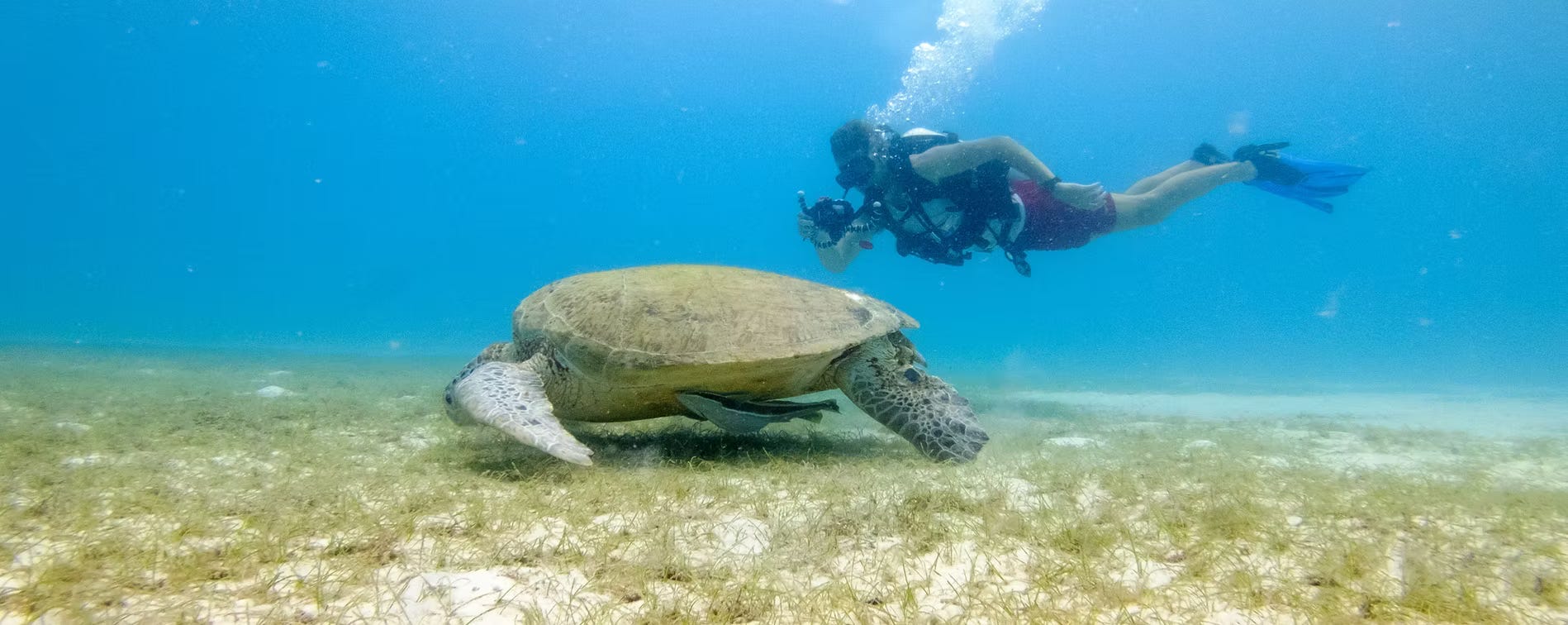
Turtle Bay on Perhentian Kecil offers shallow, accessible encounters with green and hawksbill turtles, alongside regular sightings of blacktip reef sharks. Because the islands sit within a protected marine park, visitors must pay a conservation fee and maintain a strict, hands-off distance from the wildlife.
The catch: Seasonality strictly dictates access. The Northeast Monsoon shuts down ferries, resorts, and dive shops entirely from November to late February. Target April to August for the calmest seas and peak underwater visibility.
🐟 Moalboal, Philippines – Sardine Run
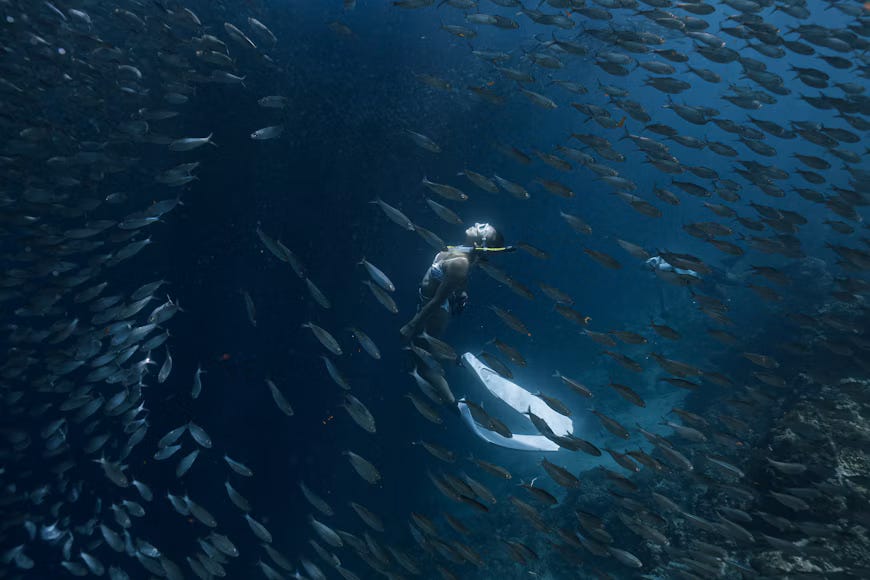
Moalboal’s year-round sardine run features millions of fish moving in synchronised bait balls to deter predators. What makes this Cebu phenomenon exceptional is its accessibility: the school hovers just metres off Panagsama Beach, allowing snorkellers to swim straight out from the sand. For dramatic coral walls and frequent sea turtle sightings, a short boat trip to nearby Pescador Island expands the itinerary.
The catch: You must respect the school’s defensive mechanics. Never free-dive directly into the bait ball or use flash photography, which fractures the group and exposes the fish to predators.
🦈 Koh Tao, Thailand – Blacktip Reef Sharks
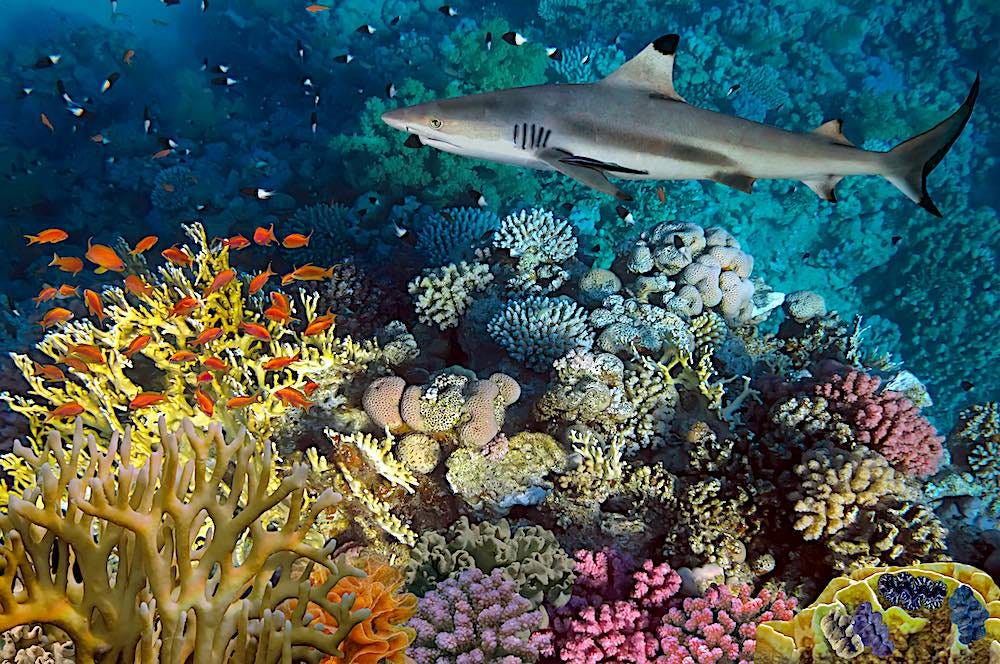
Shark Bay in Koh Tao is a premier spot to observe blacktip reef sharks in shallow waters. The sharks here are predominantly shy juveniles, posing no threat to snorkellers and offering a safe, accessible introduction to the species. For broader reef exploration and diverse tropical fish, head to nearby Aow Leuk or Tanote Bay.
The catch: Koh Tao is driven by a highly active marine conservation community. While wildlife sightings are never guaranteed, it is crucial to select eco-certified operators that strictly enforce wildlife interaction guidelines to protect the reef ecosystem.
🌎 The Bigger Picture
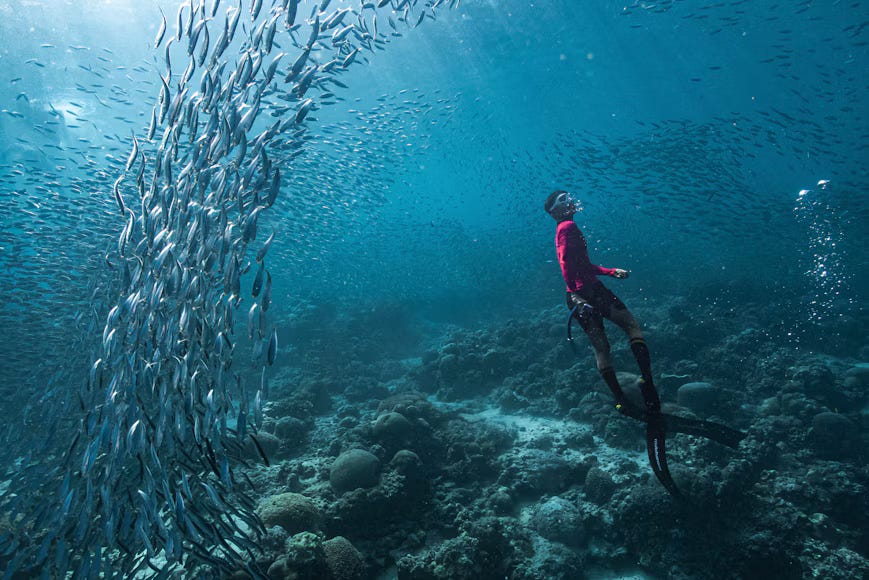
Southeast Asia’s diverse marine ecosystems allow you to tailor your itinerary to specific encounters, whether you are seeking shy sharks or synchronised bait balls. However, this accessibility demands strict environmental responsibility: maintain a safe distance from all wildlife, never touch the coral, and always follow your guide’s instructions.
The sunscreen mandate: Chemical runoff actively destroys these fragile habitats. Thailand legally bans sunscreens containing four specific UV filters—oxybenzone, octinoxate, 4-MBC, and butylparaben—inside its marine national parks. Verify your ingredient labels before packing, or wear a long-sleeved rash guard to minimise sunscreen use entirely.
📌 Bottom Line
From turtles and sardine runs to manta rays and reef sharks, Southeast Asia’s waters offer countless ways to explore marine life.
Four spots. Four different encounters. Your next adventure is waiting beneath the surface. 🌊
🔍 Need More Angle?
Black Turtle Conservation Why Healthy Oceans Start with Healthy Shark Populations
Nusa Peninda Manta Ray Bali (2026) – Nusa Penida, Season & Best Places
Perhentian Turtle Project Perhentian Turtles Project
Philippine Travels PH The Moalboal Sardine Run: A Complete 2026 Guide
(DHM/ZIL/ARS)