



🎯 The Main Takeaway
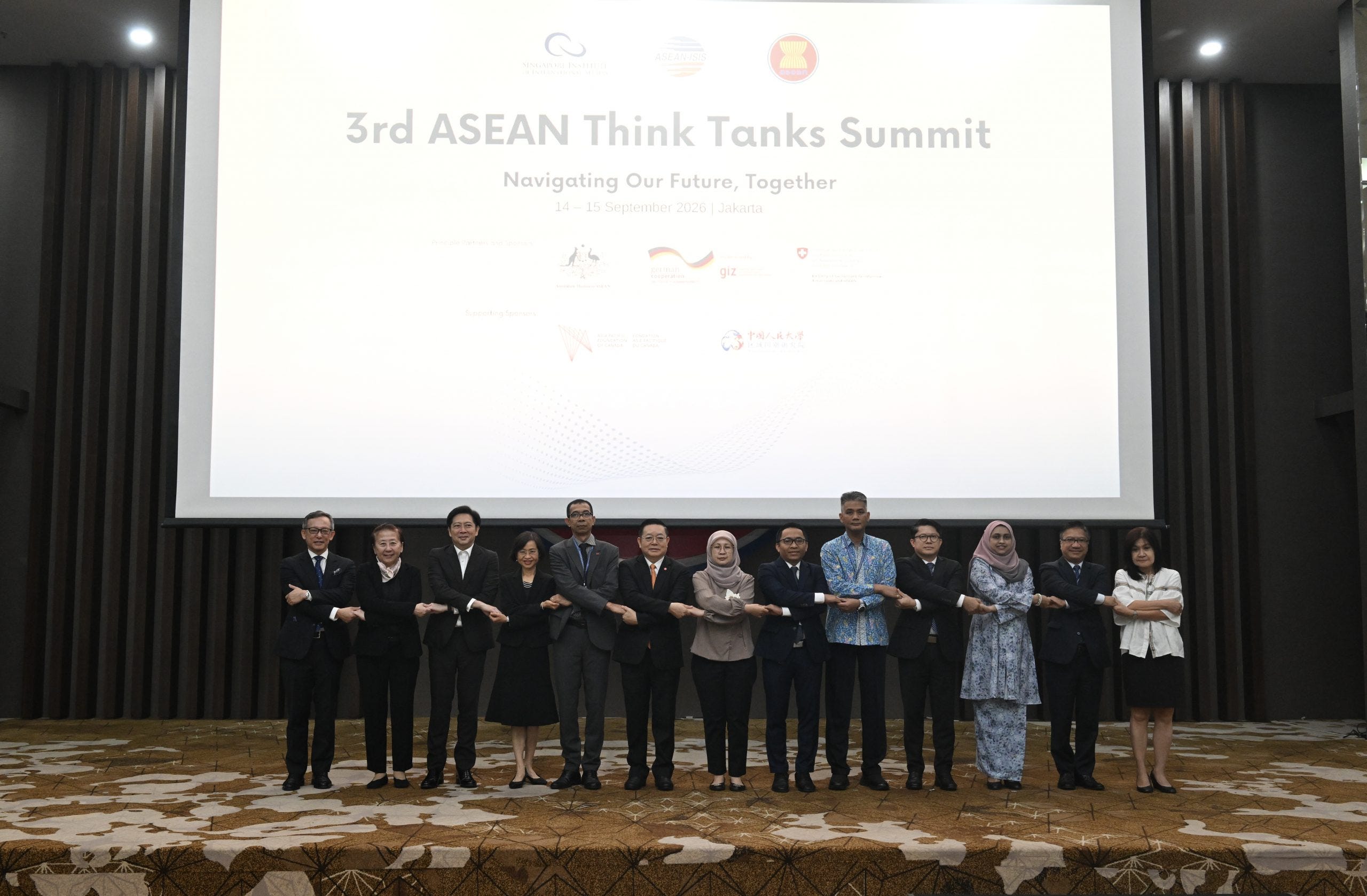
On 14 September 2026, the 3rd ASEAN Think Tanks Summit (ATTS) convened at the ASEAN Secretariat in Jakarta under the theme of the Philippine ASEAN Chairmanship, “Navigating Our Future, Together”.
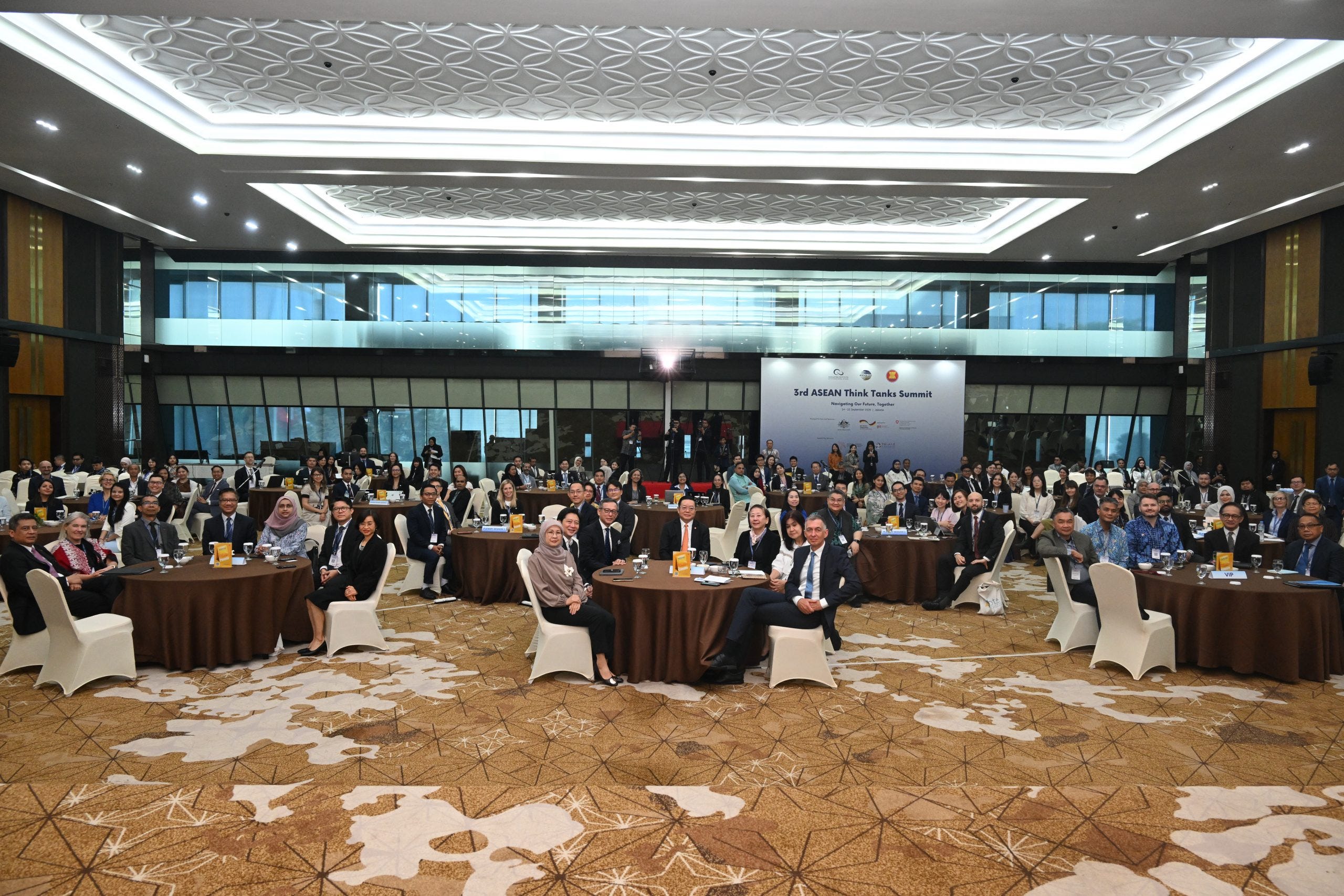
🤝 Track-Two Synergy: Co-organised by the Singapore Institute of International Affairs (SIIA) on behalf of the ASEAN Institutes of Strategic and International Studies (ASEAN-ISIS), the two-day summit brought together over 150 experts, research institutions, and international partners.
💡 Strategic Input: The summit connects independent regional research with formal policymaking as ASEAN advances the ASEAN Community Vision 2045: Our Shared Future.
📋 Direct Outcomes: Key insights and trade-off analyses will form a policy memo and serve as input for the ASEAN Summits in November 2026.
📡 Why It’s on Our Radar?
The summit comes at a pivotal junction for regional governance and diplomatic milestones:
🚀 Implementation Phase: Marks a phase as ASEAN advances the four Strategic Plans under the ASEAN Community Vision 2045.
🏛️ Historic Milestones: Prepares the groundwork for the 50th Anniversary of the Treaty of Amity and Cooperation in Southeast Asia (TAC) and ASEAN’s upcoming 60th Anniversary in 2027 under Singapore’s chairmanship.
🌐 International Support: Backed by key dialogue partners, including Australia, Germany (via GIZ), Switzerland, and Singapore.
🌍 Key Speech Highlights: Dr Kao Kim Hourn
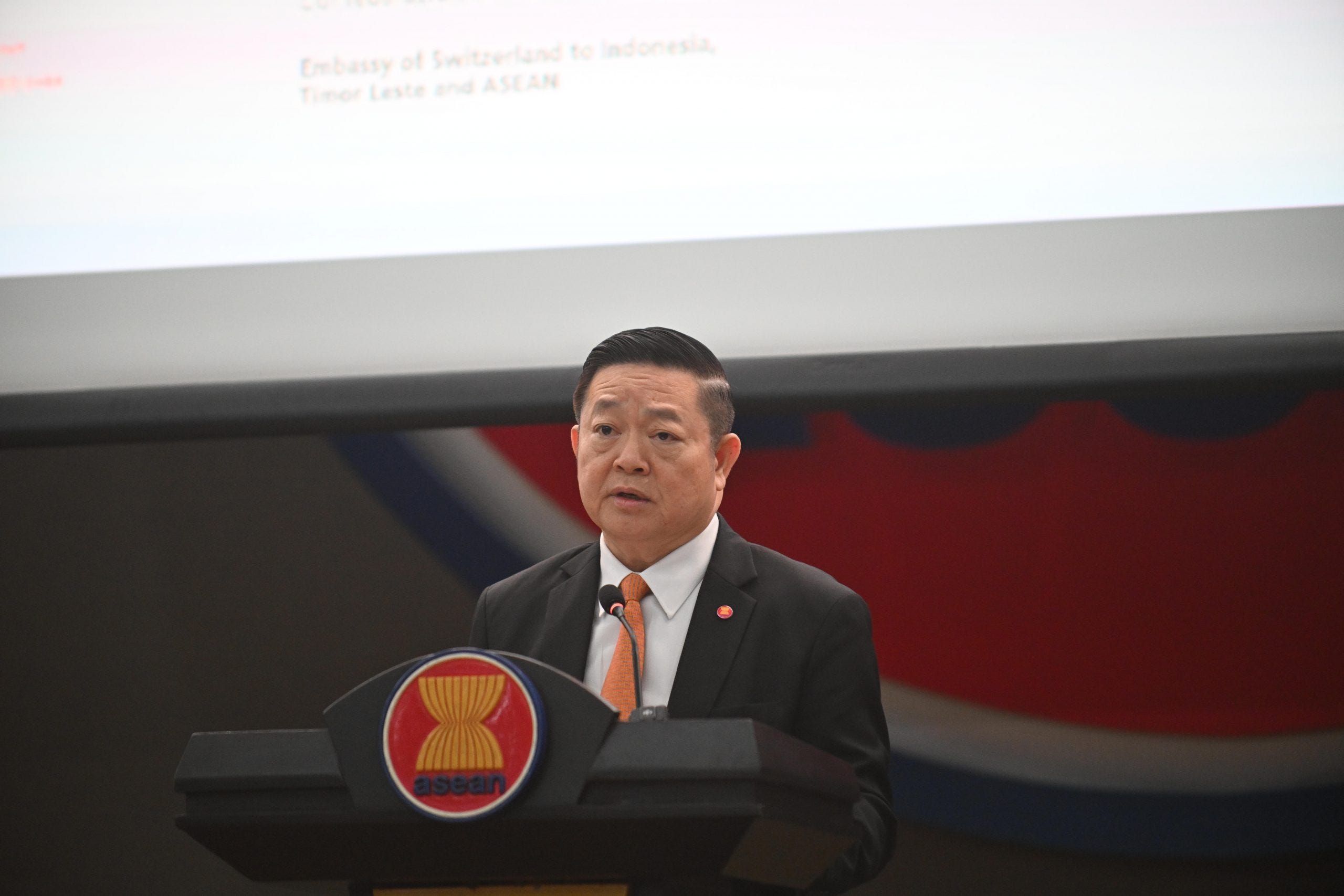
In his keynote address, ASEAN Secretary-General Dr Kao Kim Hourn urged the think tank community to provide “candour with purpose, rigour with practical value, and a strong sense of ASEAN ownership.”
“ASEAN has never advanced by standing still. We have advanced by thinking collectively, deciding together, and moving in concert... Resilience is not simply the ability to withstand shocks, but to adapt to change while preserving room for choice.” — H.E. Dr Kao Kim Hourn, Secretary-General of ASEAN
Dr Kao outlined four critical priorities for regional research and policy alignment:
🕊️ Peace and Dialogue: Reaffirming ASEAN Centrality and instruments like the TAC and ASEAN Outlook on the Indo-Pacific (AOIP) amid rising minilateralism and strategic rivalry.
⚡ Economic Security & Resilience: Linking energy, food security, and connectivity—moving frameworks like the ASEAN Power Grid and Emergency Rice Reserve into concrete, shock-resistant outcomes.
💻 Inclusive Digitalisation: Ensuring technological transformations—driven by the upcoming ASEAN Digital Economy Framework Agreement (DEFA)—equitably support MSMEs and workforce convergence.
🛡️ Converging Transnational Security: Intersecting maritime tensions, cybercrime, climate risks, and online scams into integrated, cross-sectoral policy responses.
📖 Core Discussion Pillars & Workstreams
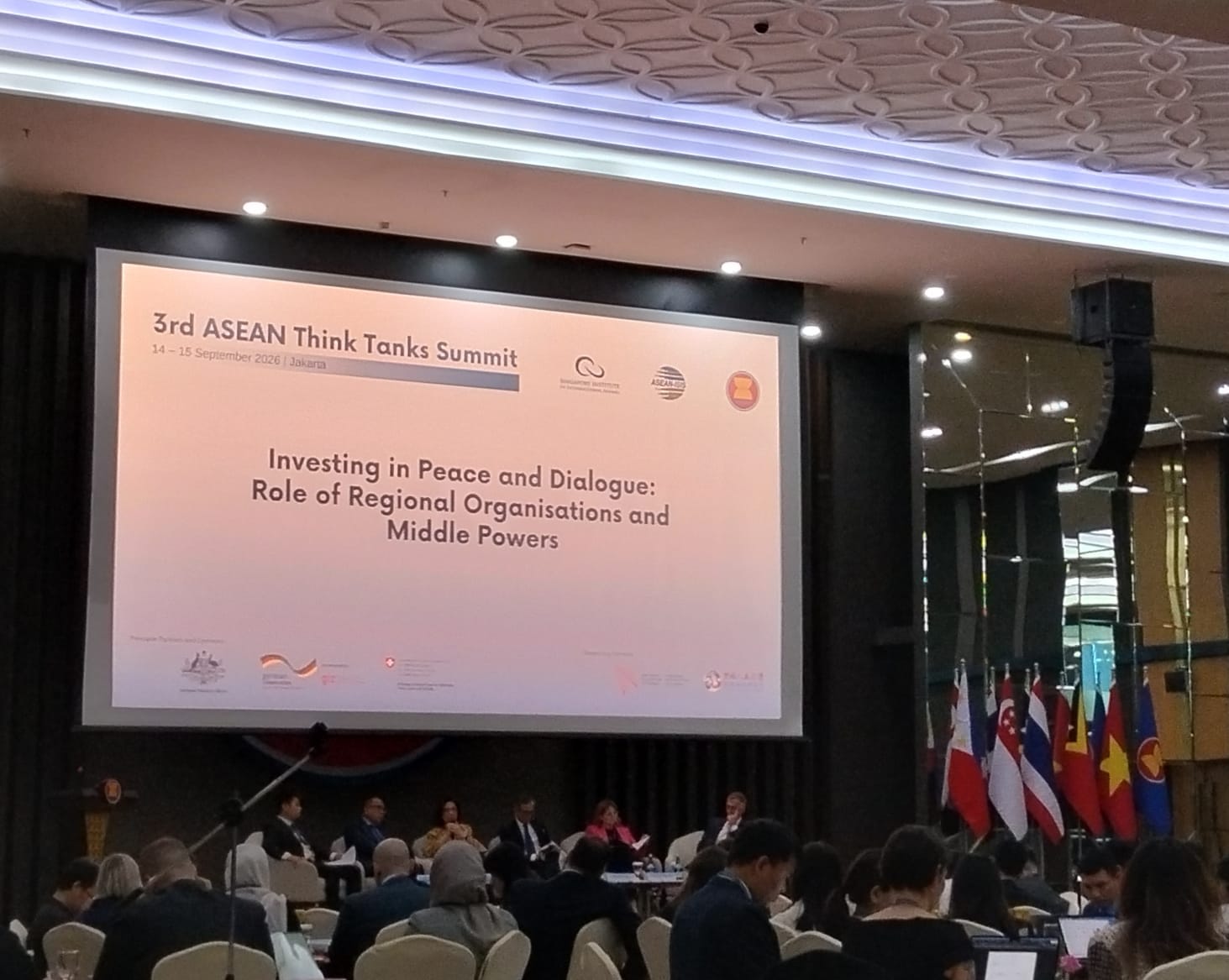
Over two days, the summit evaluated regional pressures through three plenary sessions and dedicated technical workstreams to formulate actionable policy options.
The first plenary session focused on peace and dialogue, examining the evolving role of regional organisations and middle powers while reinforcing ASEAN Centrality.
The second plenary commemorated the 50th anniversary of the Treaty of Amity and Cooperation (TAC), assessing its continued relevance within an increasingly fragmented regional architecture.
A third plenary addressed complex transnational security threats, highlighting the intersection of cyber risks, climate pressures, and cross-border security challenges alongside Indo-Pacific partners.
Complementing these plenary debates, targeted workstreams tackled specific regional vulnerabilities: balancing economic efficiency with supply chain redundancy and energy resilience, safeguarding agricultural resilience against severe climate disruptions, and accelerating AI skilling, governance, and technology adoption for Southeast Asian small businesses.
⚠️ Why This Matters Beyond the Summit Room
🔗 Regional challenges rarely remain regional
Transnational crime, cyber threats, climate risks, energy disruptions and economic shocks are increasingly cross borders and interact with one another. Regional coordination is no longer just about responding to a single issue, but also about linking various policies before a single disruption causes widespread impact across the region.
⚖️ Resilience also means keeping policy choices open
The ATTS, which focuses on energy, food, connectivity and economic security, raises the question: ‘How can ASEAN strengthen its resilience without losing flexibility?’. Strengthening regional cooperation, diversifying supply chains and building up reserves can help ASEAN countries weather shocks whilst retaining the flexibility to respond to future uncertainties.
🤖 Digital growth comes with a distribution question
AI and digitalisation undoubtedly open up new opportunities for businesses in Southeast Asia, but their benefits also depend heavily on access to skills, infrastructure and technology. Consequently, discussions on AI skilling and MSMEs are not only about technology adoption, but also about ensuring more economic actors can adapt to and participate in digital transformation.
🧩 ASEAN Centrality is also about problem-solving
Discussions regarding the TAC, ASEAN Centrality and transnational security are not merely about maintaining ASEAN’s position within the regional architecture. Rather, they concern how ASEAN can remain a relevant platform as regional challenges increasingly involve actors, risks, and interests that extend beyond ASEAN’s borders.
Core takeaway: The ATTS's relevance lies in how these issues are interconnected. Rather than viewing security, economic resilience and technological change as standalone agendas, this summit seeks to consider how ASEAN can maintain space for collective action amidst increasingly complex and interrelated pressures.
🚀 Moving Forward: From Ideas to Policy
The ASEAN Think Tanks Summit does not merely bring together perspectives from think tanks, researchers, and international partners; it incorporates these perspectives into recommendations that will form a policy memo, which will serve as input for the ASEAN Summits in November 2026.
At the same time, ASEAN-ISIS and SIIA will also develop a roadmap to guide future ATTS workstreams.
The pathway is: Think tanks & experts → Track-Two dialogue → policy recommendations → policy memo → ASEAN Summits.
📌 The Bottom Line
The ASEAN Think Tanks Summit shows how Track-Two diplomacy can create space for the ASEAN research and policy community to look beyond current challenges and consider the region’s long-term direction.
Geopolitical shifts, transnational security, economic resilience, energy, agriculture, and AI on the summit agenda show that ASEAN’s challenges are increasingly interconnected and require multi-actor responses.
The value of these discussions will ultimately depend on what happens beyond the summit, namely whether the ideas raised can be further developed through ASEAN’s ongoing policy discussions and future ATTS workstreams.
🔍 Need More Angle?
ASEAN 3rd ASEAN Think Tanks Summit (ATTS) Advances Ideas for ASEAN’s Future
ASEAN Secretary-General of ASEAN officiates third iteration of ASEAN Think Tanks Summit
(JUN/DHM/QOB)